



There was a high level of U.S. seafood mergers and acquisitions in 2025, and 2026 is slated to be favorable for continued M&A activity, according to a new report from Mercer Island, Washington, U.S.A.-based M&A advisory firm ACT Capital Advisors.
According to its latest annual Seafood Industry Report, consolidation last year was fueled by high margins, institutional capital, and the desire to scale fragmented sectors, ACT said.
“2025 was a great year for seafood M&A. We saw more consolidation in the processing and distribution sector and greater interest by non-U.S. investors in the U.S. market, possibly driven by trade policy and other economic impacts,” ACT Seafood Advisory Practice Co-Chair Matt Latimer said in a release.
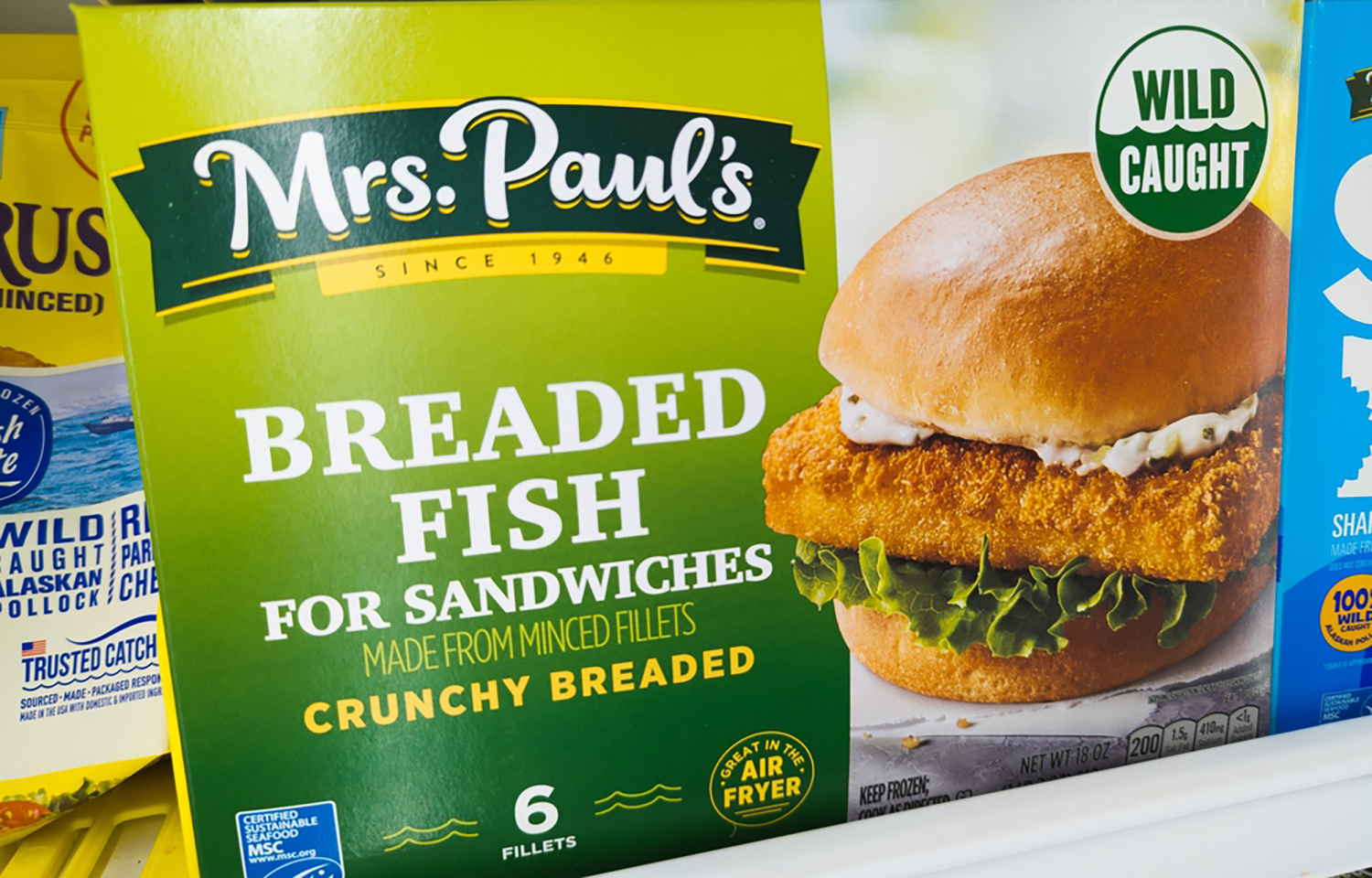
Among numerous mergers and acquisitions that occurred last year were Lunenberg, Nova Scotia, Canada-based High Liner’s acquisition of the Mrs. Paul’s and Van de Kamp’s brands from Conagra Foods, Yumbah Aquaculture’s acquisition of Clean Seas Seafood, and Silver Bay Seafoods’ acquisition of OBI Seafoods.
Fragmentation and rising demand for cold storage and logistics companies drove firms to consolidate processing and distribution assets, according to the report.
Additionally, ACT said there was “strong demand” for such activity among shrimp, salmon, tilapia, and other farmed species challenged by operational, regulatory, disease, and feed costs. In 2025, those market factors led companies to seek scale and diversification to balance risk and expand capacity.
Persistent changes in tariffs, as well as the import/export risks that come along with them, have also created strategic interest in U.S. and nearshore assets, encouraging foreign buyers to consider investments in U.S. production and processing, according to ACT.
Looking forward, strong stock and debt markets, along with a push for scale, are expected to fuel further consolidation, ACT said.
“We believe 2026 is well-positioned for additional strategic consolidations as global seafood enterprises push for scale to overcome structural inefficiencies and strengthen resource access,” Latimer said.
While ACT expects few “megadeals,” it is confident additional strategic consolidation will take place, particularly deals with tech-enabled seafood companies, feed ingredients, aquaculture, and value-added processing.
“Overall, global economic instability is driving vertical integration,” ACT said in the report. “Companies like Premium Brand Holdings reported a full acquisition pipeline, indicating that mid-sized processors are actively seeking targets in seafood and related categories.”
Besides M&A activity, the report said that at retail, consumers are spending more on higher-priced processed and ready-to-eat seafood rather than consuming more, largely thanks to innovation in value-added seafood products.
“New product formats, including ready-to-eat and shelf-stable products, increased margins and overall pricing while volumes remained flat year over year,” ACT said.
Habits among consumers, particularly younger buyers, continue to shift toward high-quality, lean protein sources that are sustainably managed and provided in convenient formats for at-home and on-the-go consumption, ACT added.
For instance, air-fryer-ready popcorn, coconut, and tempura shrimp are among successful value-added products growing in the U.S., along with ready-to-serve frozen shrimp and ready-to-eat and frozen seafood bowls.
Regarding wild-caught seafood, ACT found production has been structurally capped by biomass constraints and science-based management.
“However, the segment continues to serve as the premium benchmark within the global seafood market. In 2025, flat catch volumes were offset by strong pricing, species mix, and continued demand for high-quality, traceable protein, particularly across whitefish, pelagics, and select crustaceans,” ACT said.
Both the wild-caught and aquaculture industries in the U.S. specifically are benefiting from a renewed focus on domestic seafood supply. Though production growth for aquaculture remained “measured” last year, ACT said the sector made meaningful strides in sustainability practices, policy alignment, and operational resilience.
“Aquaculture’s role in supporting food security, reducing import reliance, and enabling long-term seafood supply growth became increasingly central to national seafood strategy discussions during the year,” ACT said.
To that end, at the 2026 Aquaculture America conference, NOAA Office of Aquaculture Director Danielle Blacklock said that momentum for aquaculture projects in the U.S. is moving in the right direction and now has more government backing than it has had before.
“I got approval to say this on a stage in public. Aquaculture is a priority at NOAA within this administration. That has been felt for a long time internally, but we have not been saying that publicly as the administration analyzes what it wants us to do,” Blacklock said. “We are now, without a doubt, a priority within the Fisheries Service. We’re looking forward to making the process a bit easier for everyone.”
