






Bíldudalur, Iceland-based salmon-farming firm Icelandic Salmon dealt with biological challenges in the first quarter of this year, forcing the firm to harvest early.
That early harvest produced just 1,100 metric tons (MT) of fish for market, compared to 2,800 MT in Q1 2024.
Affected by mortality-related costs totaling EUR 1.6 million (USD 1.8 million), low harvest volumes, and a weaker market due to increased global supply and lower prices, Icelandic Salmon, the parent company of Arnarlax and its salmon-farming and -processing subsidiaries, reported a Q1 operating income of EUR 10.4 million (USD 11.8 million), which was down from EUR 27.5 million (USD 31.1 million) in Q1 2024. Its operational EBIT was similarly worse, representing a loss of EUR 3 million (USD 3.4 million), compared to a loss of EUR 500,000 (USD 566,162) a year prior.
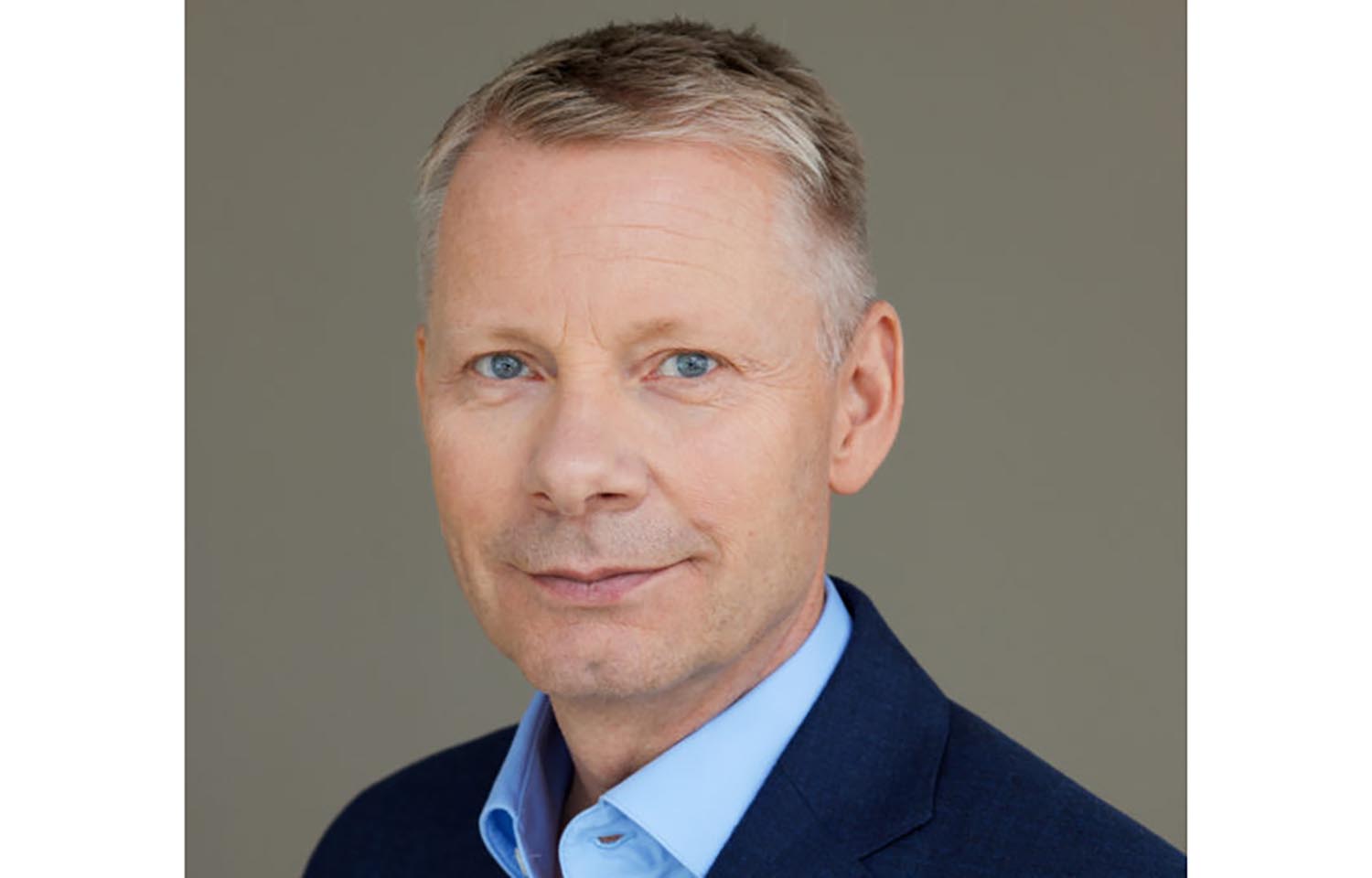
Delivering the group’s Q1 2025 results, Icelandic Salmon CEO Bjørn Hembre confirmed the quarter’s challenges mainly stemmed from infectious diseases and low sea temperatures.
Regarding the company’s markets, he said this year’s Q1 demand was different to those of previous years due to the significantly higher volume of salmon available globally.
“We harvested in January before the prices dropped fully, but our average weight was 3.6 kilograms and prices were lower on the smaller sizes,” Hembre said. “Due to the low average weight, we had a low part of our volume going into the North American market – approximately 9 percent – and into the Asian market – with only 2 percent of our production.”
Hembre also confirmed the group is worried by new tariffs implemented by the U.S.
“With our low volumes in Q1, we did not experience challenges with sales, but we are very concerned about how this will affect salmon consumption and price achievement in the U.S. market over time,” he said. “This tariff will increase the price to the end consumer in the U.S. and, thereby, potentially reduce their consumption.”
Despite the difficulties and tariff-driven anxiety, for the full year of 2025, Icelandic Salmon is maintaining a harvest guidance of 15,000 MT, with improvements expected in the second half to make up for difficulties in Q1. The group also remains on track to transfer a record-high number of smolt to sea in 2025.
Throughout the year, the group intends to significantly increase its biomass, largely through better maximum allowed biomass (MAB) utilization and particularly through its 12,200 MT license in Patreksfjörður and Tálknafjörðu.
The group also continues to work closely with authorities to reinstate a license for 10,000 MT MAB of sterile salmon in Ísafjarðardjúp, which was revoked in Q3 2024 but which is now under review by government agencies.
“This process has taken longer than anticipated, and we do not expect a final decision before the end of the year,” Hembre said. “We will hopefully have the approval in place then, but the full utilization of these sites will take a longer time.”
Additionally, efforts to secure larger sites for better MAB utilization, pursue existing site expansion, and a 4,500 MT application in Arnarfjörður contine.
Hembre noted there is a possibility that biomass could be auctioned by the government and that Icelandic Salmon would be in a “good position” to take part in that process.
He also said Iceland’s new government has expressed its intention to introduce an updated version of the law governing salmon farming in September this year that will have a focus on ensuring the sustainable development of the country’s salmon industry.
“The signal from the government is that they want growth in salmon farming in the sea – to strengthen the value creation in Iceland. Until a new law is in place, we, and other companies in our industry will continue to operate according to current legislation,” he said. “Salmon farming has become a significant contributor to the Icelandic economy. It represented 6 percent of the value of all goods exported in 2024. The new law proposal will be crucial to ensuring the continued sustainable growth of the industry.”
