


Norway-based Cermaq Group has purchased fellow salmon-farming firm Grieg’s operations in British Columbia and Newfoundland, Canada, as well as in Finnmark, Norway, for NOK 10.2 billion (USD 988.3 million, EUR 853 million).
The acquisition, which is still dependent on approval by relevant competition authorities, will see Cermaq take over Grieg’s North American sales organization and its entire North American operations. The sale comes soon after Grieg reported it was planning to scale back its North American operations as part of a transformation strategy that focused on growth in Norway.
Grieg called 2025 a “transition year” as the company faced challenging financial results. In March, Andres Kvame stepped down from the role of the firm's CEO, soon after the company announced in its Q4 2024 financial results that it had a pre-tax loss of NOK 1.59 billion (USD 154 million, EUR 133 million) in the quarter.
The company also had a challenging 2023, and in its Q4 2023 report, it said parasites, winter ulcers, and jellyfish all reduced survival rates and operational efficiency at its Finnmark location. The company also posted its first harvest from its Newfoundland operations in that same quarter, with volumes coming in 1,800 metric tons below guidance.
More recently, Grieg Seafood Founder Per Grieg Jr. announced he was stepping down from his role on the company’s board, which was effective 4 June.
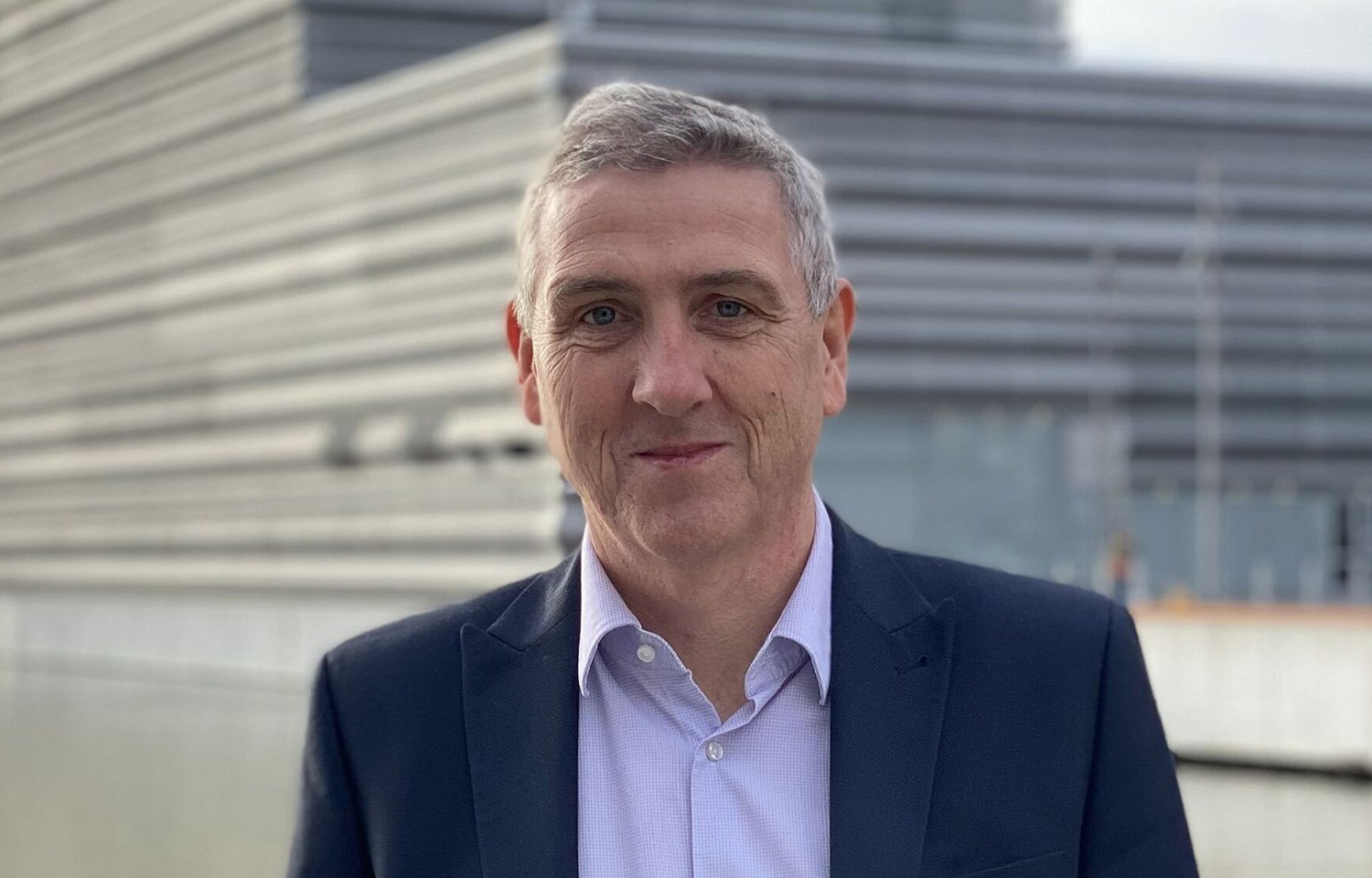
Cermaq CEO Steven Rafferty told SeafoodSource that the deal would bring better balance to Cermaq’s portfolio.
“For some years, around 50 percent of our production is in the Southern Hemisphere – in Chile – and 50 percent has been in the north, and clearly at this moment in time, the Norwegian industry is more profitable than the other industries on the world,” Rafferty said. “So, we've been looking for some time, through organic growth, to grow in the north of Norway.”
Part of this Norwegian growth strategy, he explained, has been achieved through some “quite aggressive” purchasing of additional maximum allowable biomass (MAB).
Rafferty said the Finnmark acquisition and the British Columbia operations are both “the perfect fit” with the company’s ambitions to expand its biomass because Cermaq is already operating in the same regions. At the same time, it reduces Chile’s share of the group’s portfolio to less than 40 percent and puts more of a strategic focus on the Northern Hemisphere.
“There will be synergies because we’re operating in more or less the same regions – Finnmark and British Columbia,” Rafferty said.
Being in the same area of British Columbia means Cermaq is also familiar with the regulatory challenges that have arisen there in recent years as the country recently set rules that would see all ocean-based salmon farming banned as of 30 June 2029. Cermaq has already had to cull over 1 million salmon because of the government’s decisions, which it has continued to vehemently oppose.
While the deal is still subject to consent from the relevant competition authorities, Rafferty said there’s no reason why it shouldn’t get regulatory approval. The expectation is this will be forthcoming in a matter of months.
Subject to closing, the Grieg and Cermaq teams will work together on an integration plan and look at all the potential benefits of working together, including best-practice exchanges and leveraging synergies.
“The thing about salmon farming is it takes a few years to realize synergies because of the way the cost is capitalized and then released when the salmon is sold some years later. It probably takes over three years to realize full synergies,” Rafferty said.
The immediate focus from both Cermaq and Grieg will be on integrating the two companies’ staff, he said.
“The number one success factor in salmon farming is employee engagement,” Rafferty said. “We want employees to be proud and empowered to do what they do best, particularly because all our operations are in quite remote areas. I think 95 percent of the first months will be concentrated on making sure that people are happy.”
He added that the acquisition is unlikely to lead to any dramatic changes in Cermaq’s or Grieg’s operational approaches in Norway or Canada because of the shared goals they have, such as minimizing environmental impacts and using innovation to establish improved fish welfare.
“The companies are already quite aligned in terms of culture and main focus areas. What we believe will happen is the employees of both will learn from each other,” Rafferty said. “On innovation, there are a lot of good things in Grieg and a lot of good things in Cermaq, and we’ll look to take the best of both. When you look at the two companies, because they're quite closely matched, that should be a relatively easy thing to do after integration.”
