


The U.S. Department of Agriculture (USDA) plans to add wild-caught peeled and deveined shrimp to the list of foods available under its emergency food assistance programs.
“Shell-abrate [sic] the great news for America's fishermen!” the department said in social media posts. “USDA plans to add U.S. wild-caught Peeled and Deveined Shrimp to the FY27 emergency food assistance programs on the TEFAP Foods Available List, bringing more nutritious protein options to the communities we serve.”
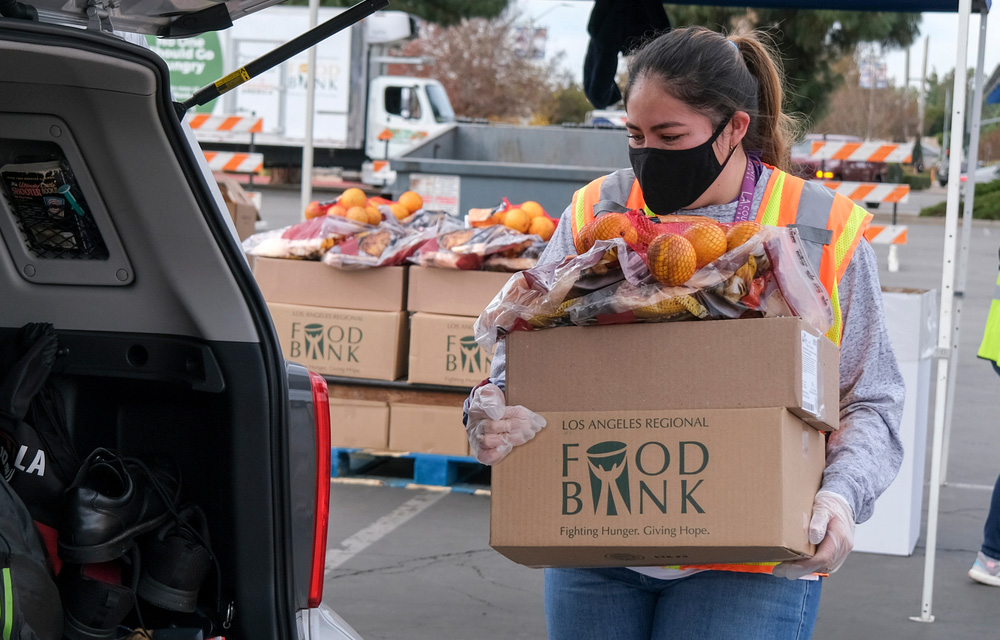
The Emergency Food Assistance Program (TEFAP) provides U.S. produced goods to low income households in need of additional food at no cost. USDA purchases the food first, and then provides it to state agencies through food banks, soup kitchens, and other community organizations.
The TEFAP Foods Available List is a complete list of the products available through the program. Several seafood items are already on the TEFAP Foods Available list, including frozen pollock fillets, breaded Alaska pollock fish sticks, frozen haddock fillets, frozen ocean perch fillets, frozen catfish fillets, and canned pink salmon.
Now, the administration said it plans to add wild-caught peeled and deveined shrimp to the list, with deliveries beginning as soon as January.
"Adding U.S. wild-caught shrimp to the TEFAP Foods Available List is a win-win. USDA is enabling taxpayer dollars to be reinvested in sustainable, American Mom-and-Pop shrimping businesses, while providing a nutritious, clean protein to those in need," Southern Shrimp Alliance Executive Director Blake Price told SeafoodSource. "We are thankful for the USDA's actions and the support of state and federal officials to increase government purchases of domestic shrimp, providing a new market to shrimpers harmed by unfair trade. Most don't realize that the wholesale price of shrimp is identical – without inflation adjustment – to 1970s prices."
Both state and federal officials from Louisiana have called on USDA to purchase more domestic shrimp through Section 32 of the Agricultural Adjustment Act, which enables the department to buy surplus goods for federal nutrition programs in support of U.S. producers.
