






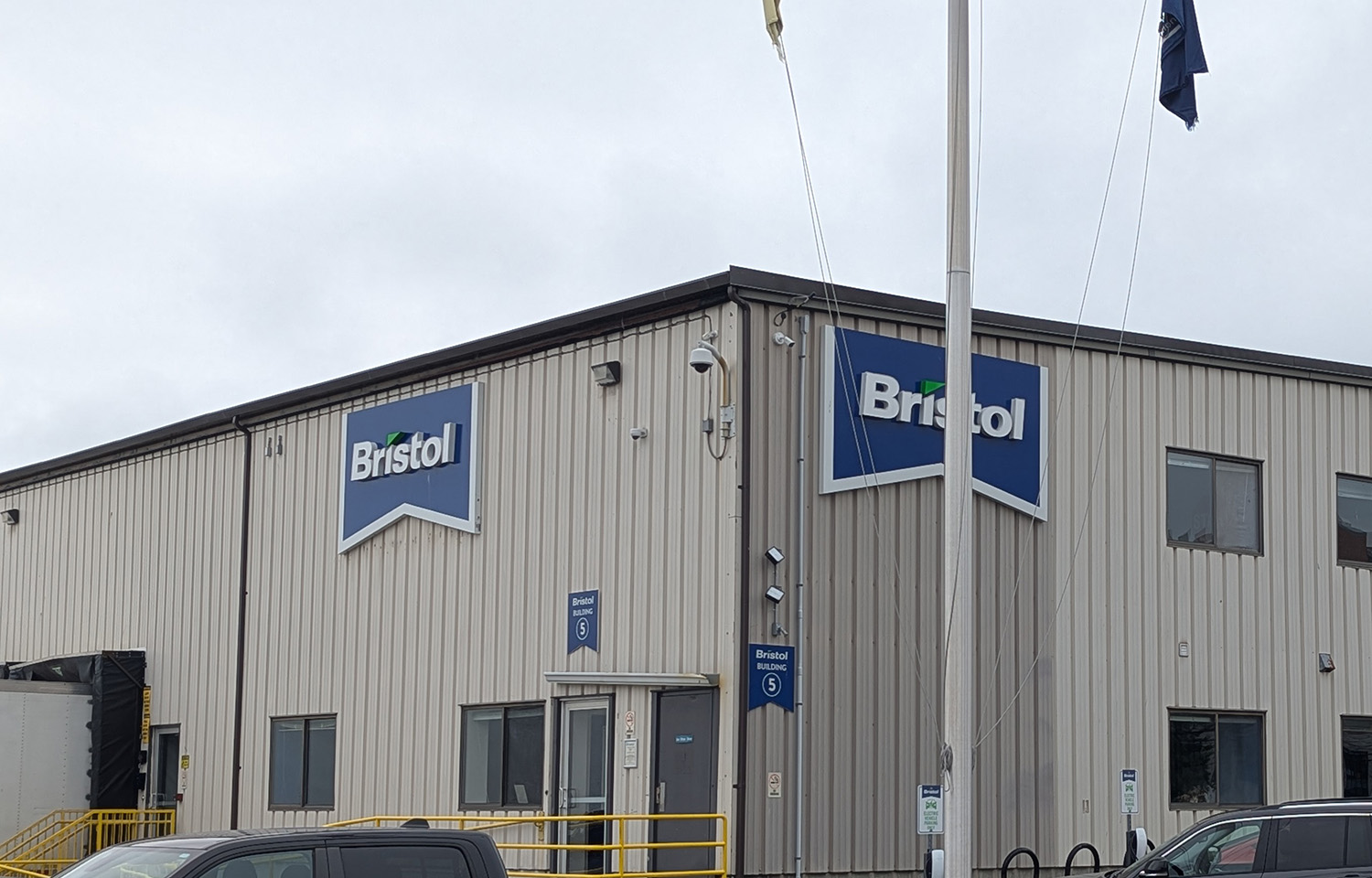
New York City, U.S.A.-based seafood importer Mark Foods is acquiring Portland, Maine-based Bristol Seafood.
Bristol Seafood was established in 1992 and has grown into a nationally recognized seafood wholesaler and processor based on Portland, Maine’s working waterfront.
The company specializes in products like premium sea scallops and haddock. The company – which has roughly 100 employees – has its own line of retail products and also acquired and developed a value-added facility in 2021.
The terms of the deal were not disclosed.
Based on prior information released by Mark Foods, the company – as of its acquisition of Arista in 2023 – had roughly USD 800 million (EUR 684 million) in revenue on sales of approximately 100 million pounds of seafood.
Mark Foods offers a range of premium seafood species, including Chilean seabass, Spanish octopus, and lobster, and the acquisition of Bristol will allow it to expand its offerings.
Mark Foods CEO Barry Markman told SeafoodSource that the addition of Bristol’s products was a consideration in the acquisition, but the way the two companies complement each other was a bigger draw.
“There are a lot of reasons that we were eager to pursue this deal. One is that the culture of the company really aligns with ours, and that is really important. Second is that the team at Bristol is solid; they work hard, and they’re passionate,” Markman said.
Markman said that scallops in particular are a product that complements Mark Foods’ existing product lines and that the strong brand Bristol has built overall is also a draw.
“We service a lot of the same customer base, and we’ve been hearing about how great the Bristol brand is for a long time,” Markman said. “When you look at it, a lot of our customers are similar because they are the customers who want the best products on the market. We have both built our reputation on providing the highest-quality seafood available.”
Markman has been involved with the seafood business for decades after a love of fishing and food drew him to the industry. He founded Mark Foods in 2002 after setting out on his own from another seafood company. Starting from Markman's apartment, Mark Foods gradually grew to a team of four people after 15 months and slowly started building up from there by growing the company’s product line “slowly but surely.”
Markman said the company has spent the last two decades “adding products and people,” and every one of its first seven employees are still with Mark Foods over 20 years later.
“We like to sell what we like to eat, and scallops are one of my favorite things to eat. I’m excited to be bringing that into the business,” Markman said.
Bristol Seafood CEO Peter Handy told SeafoodSource the acquisition will benefit Bristol by giving its customers access to a wider range of species and providing his team more opportunities to process more seafood.
“When we make decisions at Bristol, it’s centered around how we think it’s going to impact our stakeholders. On this one, our customers are going to have access to more premium products we know they want, and they’re going to have access to a larger team of really thoughtful people who know a lot about those species,” Handy said.
The company’s employees will also benefit from the arrangement, as this investment opens up more opportunities for Bristol to increase the amount of seafood it processes at its facilities in Portland.
“We’ll have more hours, we’ll create more jobs, and we will continue to do that as a company that has a culture that really looks after its folks,” Handy said.
The sale itself is not coming out of the blue. Markman and Handy have known each other for over a decade after meeting at a Global Seafood Market Conference run in 2015.
“I just looked it up in my email, actually, and I saw that it was on 10 January 2015 that we were introduced by [former National Fisheries Institute President] John Connelly,” Handy said.
Over the last decade, the two remained friends and kept in touch as their respective businesses grew.
“We had businesses that rhymed with each other,” Handy said. “Over time, I think our businesses have become more similar. It reached a point where we looked at each other and kind of said, ‘These things seem like they’d fit together really well.’”
That mutual understanding led the two companies to begin examining what a collaboration could look like and whether an acquisition would create the value that both companies were looking for.
“We took all the time we needed to be thoughtful and ensure that we could do this right – not a moment more,” Handy said.
As the two companies begin to integrate, there are a number of potential ways to combine operations, Markman said.
Bristol’s facilities, as well as its ability to process value-added products, will be a boon to Mark Foods and could open up new avenues for products in the future – with the caveat that any change must improve on what the two companies are already doing.
“We’re going to take some time to be thoughtful about it. We’ve got some ideas on things that we think make sense, but making sure that we have the right amount of confidence to know that it makes sense is going to take us some time,” Handy said. “It’s easy with things like this to move things just to move them, but we want to do it with the intention that it really is better. That’s what we want to take the time to understand. This is a very intentional step forward for both of our companies.”
Both Handy and Markman said the existing teams of both companies will remain intact post-acquisition. Handy highlighted that, unlike many acquisitions, the people who will own the business will continue to be the people who run it – which will allow both Mark Foods and Bristol to maintain their strengths and values.
“Even though it will be a large company, we’re not going to lose the agility of a small company, and Bristol is not going to change that either,” Markman said. “How they do things now is how they’re going to do things after.”
Handy also said that the acquisition will also have benefits for the community of Portland.
“Change can be scary, and what’s going on here are a number of positive changes. Those positive changes are going to be more jobs, more seafood, and more opportunity for our employees based in Maine,” Handy said. “We’re excited to be here and very committed to being able to continue to build upon what we started here.”
