



New York City, New York, U.S.A.-based Acme Smoked Fish sells approximately 20 million pounds of smoked and pickled seafood products per year and possesses strict sourcing and processing standards. The company has processing facilities in Chile, Denmark, and the U.S. state of North Carolina, which follow the company’s rigorous sustainability standards.
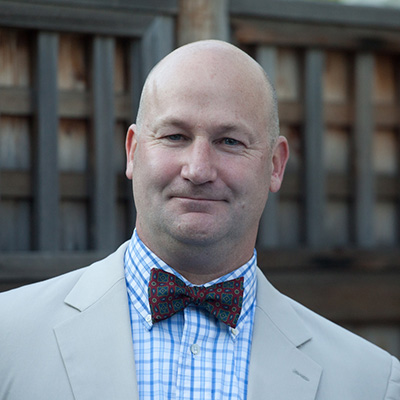
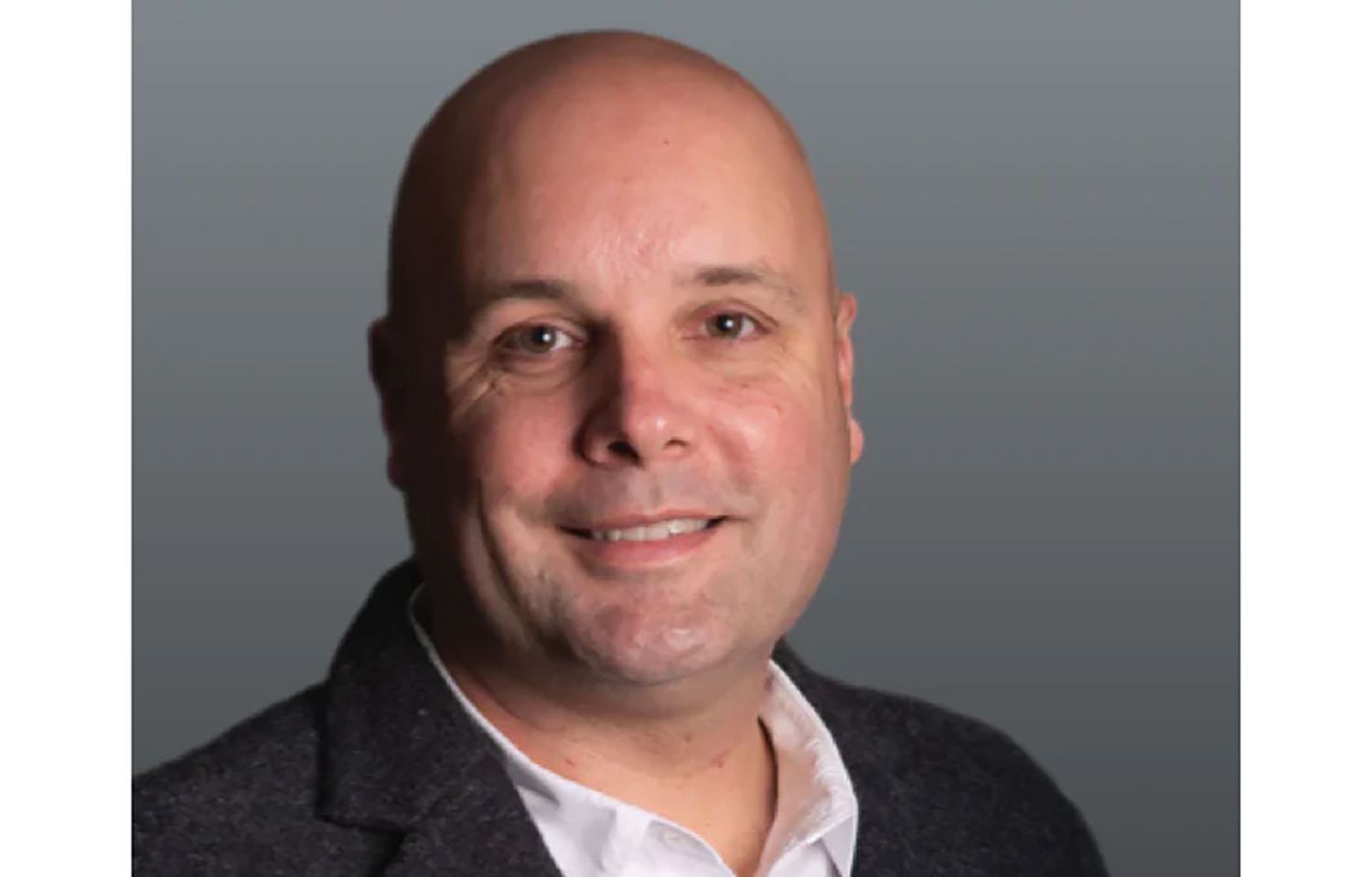
Rob Snyder is presently Acme’s chief people and sustainability officer and will assume the role of CEO in January 2026.
SeafoodSource spoke with Snyder about his past work, which has included optimizing the firm’s U.S. workforce, creating a companywide sustainability platform, and establishing a corporate philanthropic arm, as well as his vision for the future of the company he will soon lead.
SeafoodSource: How has your time at Acme prepared you for your new role as CEO?
Snyder: I've been at Acme about four years, and my role has evolved to include people and sustainability. At the core of both those efforts is the company's culture and how we articulate that culture, how we think about how we behave toward one another, and how we want to behave in ways that allow us to grow and build a strong company for the future.
As the company moves to the fourth generation of ownership, it is an appropriate time to align with this idea of prioritizing people and sustainability. The owners recognize that the world is changing and we need to orient ourselves around our workforce differently. That's where company culture and sustainability are highly linked. People are looking for purpose-driven companies, which aligns well with our family ownership backed by a multi-generational commitment and passion for the craft of smoked fish.
This commitment and passion is a huge part of why Acme has been so successful over the years, but ownership also understands some things are changing, including the way companies should lead people and the way they should engage with the world around them. We should engage with the world more and not just kind of hunker down and do our thing.
SeafoodSource: So, is the timing right to introduce a new direction for success into a century-old company?
Snyder: The people and sustainability focus comes at a time when we have 100 years of technical skill and incredibly detailed knowledge of the smoked fish industry built into this company and its people – really in its DNA. Yet, we've experienced so much growth over the last decade that the ways of leading the company and the ways of attracting people to that company, as well as the ways of scaling that company, needed to evolve. My role was created to meaningfully incorporate these new approaches into a strong, 100-year-old culture.
SeafoodSource: Has that sustainability focus allowed you to look across the company’s supply chains and control systems and find efficiencies and ways to increase value delivery in those business functions?
Snyder: Sustainability is the perfect silo-busting body of work for companies.
If you have a lot of technical experts and want them to collaborate more and understand the full cost of their decision-making across the value chain, introducing the concept of sustainability is really helpful because it has you looking all the way from demand planning back to the supply side and asking yourself, “How is this all connected? How are the decisions made over here affecting what happens over there?”
The concept for my previous role was to use sustainability to change and drive a culture change in the company. In addition to sustainability outcomes, we wanted to implement this idea of “cross-functional teams,” where the full cost of decisions are borne across the company's value chain. We introduced this approach over the last four years through the sustainability work, and at the same time, we went through a significant stakeholder engagement process, which was an economic development process for Acme’s community across our six plants in three countries.
SeafoodSource: Do you view this work as striking a balance between being a good company for employees and making a profit, or is being a good company baked into the growth/revenue model for the company?
Snyder: This is where being a family-owned business is important because we have a very long-term view on value creation. It's not solely maximizing profit short term. The longer-term view that includes investing in broader stakeholder success across the company generates more value in the long run for the shareholders.
That's really the mindset that underpins the opportunity we are pursuing, and having a company in the same hands for four generations reinforces that long-term view. An important piece of a strong ROI for sustainable practices is that your company has to be executing at a very high level to fully realize and build that longer-term value.
We're still integrating the Banner acquisition from last year, and we made some other acquisitions before that. We also just finished a major ERP implementation across all six sites. We are making the investment in the company and in sustainability, and now we need to implement this work in a way that best leverages that investment. We have the vision for the company, we see the market opportunity, and now we are layering that on top of our operations.
SeafoodSource: Do external issues like tariffs, changing regulatory requirements, or general uncertainty in the market impact how you view your people and sustainability work?
Snyder: Even in a climate like the one we're in today, where there's a lot of uncertainty, the foundation of sustainability is still about eliminating waste from your value stream – lower energy usage, finding ways to repurpose your trimmings, trying to keep as much as you can out of landfills, etc. Helping companies optimize waste streams is a tremendously impactful way to leverage sustainability in the present business climate that will result in real business outcomes.
SeafoodSource: How do you feel about the smoked fish market generally?
Snyder: I'm just getting my feet under me with some of this, but what I'm seeing is that there is opportunity for organic growth in our category. Market data shows interest in products that are ready to eat and convenient, and smoked fish absolutely falls into that camp. All signs point to growth, particularly in the big box mass retailer categories. Those businesses are growing very quickly, and we want to grow with them. One of our great strengths is our broad customer base, which puts us in a good position to grow where the market is and where our customers are growing.
