





The California Wildlife Conservation Board (WCB) has approved nearly USD 14 million (EUR 12 million) for salmon habitat restoration as part of USD 43 million (EUR 37 million) in grant funding approved at a 27 August board meeting.
The funding advances the state government’s goal of conserving 30 percent of California lands and waters by 2030. It also supports the state’s efforts to help diminished salmon populations recover; in 2024, California Governor Gavin Newsom introduced the California Salmon Strategy for a Hotter, Drier Future to coordinate state efforts to help restore salmon habitat.
The USD 43 million in funding will be spread across 15 projects, ranging from fish habitat restoration to Tribal land acquisition.
Among the largest grants is USD 11.5 million (EUR 9.9 million) to The Wildlands Conservancy to acquire 14,177 acres in Siskiyou County, which includes critical habitat for salmon and steelhead runs in the Scott River.
“With its investment today, we can expand the Beaver Valley Headwaters Preserve to over 20,000 acres, facilitating the restoration and rewilding of headwaters that are critically important to coho salmon... We are grateful to WCB for its continued investment in this landscape and the conservation vision we share,” The Wildlands Conservancy Executive Director Frazier Haney said in a release.
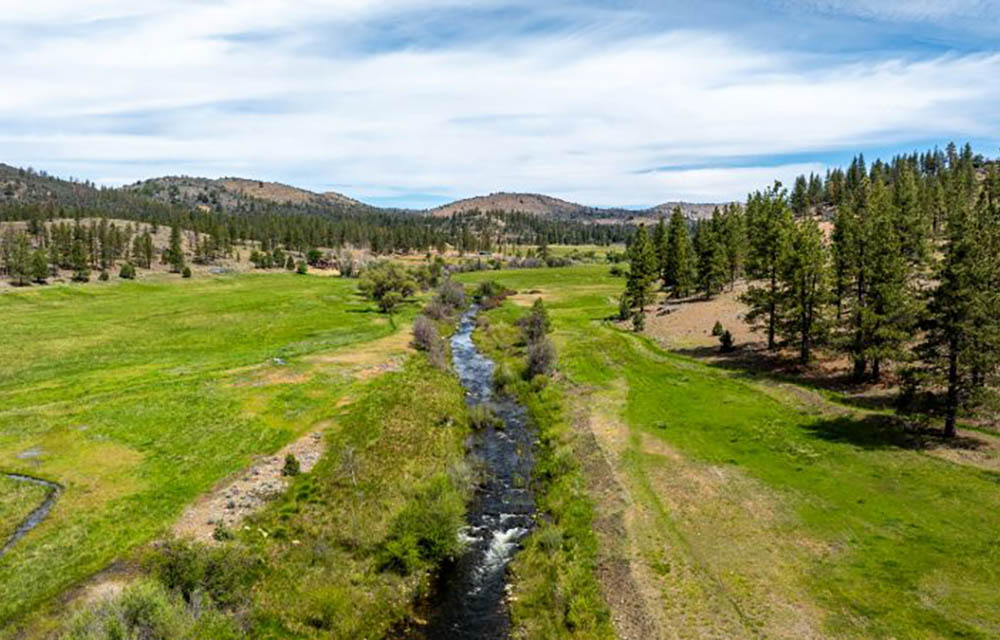
The board also awarded USD 2.4 million (EUR 2 million) to California Trout (CalTrout) to support California Department of Fish and Wildlife’s (CDFW) restoration of eight acres of habitat at Big Springs Creek and Hole in Siskiyou County. The groups will add gravel, plant vegetation, and build beaver dam analogs to slow water flow. The effort is part of the larger initiative to improve 26 miles of coho and Chinook habitat in CDFW’s Big Springs Ranch Wildlife Area.
“The Big Springs Ranch project represents exactly the kind of on-the-ground impact CalTrout has been working toward in the Shasta River watershed,” Damon Goodman, CalTrout’s regional director for Mount Shasta-Klamath, said in a release. “This phase of our Upper Shasta River Habitat Improvement effort turns years of careful planning into real restoration, improving stream habitat in one of the most critical spring-fed reaches for salmon and steelhead recovery.”
