




A group of fishing businesses and industry organizations filed a lawsuit Monday, 31 January against several federal agencies, including the U.S. Department of the Interior and NOAA Fisheries, for approving the Vineyard Wind offshore energy development project last year.
The suit, filed in U.S. District Court for the District of Columbia, comes after the pro-fisheries group Responsible Offshore Development Alliance gave a 60-day notice to the federal government in mid-October that it would go to court if agencies failed to comply with various federal laws regarding the 800-megawatt project slated for a 75,000-acre area off the coast of Massachusetts.
The lawsuit seeks a federal judge to determine the government's 15 July, 2021, approval of the Vineyard Wind construction and operations plan, as well as other approvals, were unlawful.
In a statement announcing the lawsuit, RODA Executive Director Annie Hawkins said the fishing industry “supports strong action on climate,” but the Vineyard Wind project would harm fishing stocks and fishermen.
“In its haste to implement a massive new program to generate electrical energy by constructing thousands of turbine towers offshore the eastern seaboard on the Atlantic Outer Continental Shelf and laying hundreds of miles of high-tension electrical cables undersea, the United States has shortcut the statutory and regulatory requirements that were enacted to protect our nation’s environmental and natural resources, its industries, and its people,” Hawkins said.
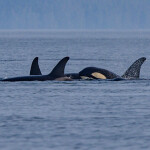
RODA’s 67-page complaint claims that construction of the wind turbines is impacting the endangered North Atlantic right whale and other species. For instance, pile driving that’s necessary to construct the turbines generates a low-frequency noise that researchers say is harmful to squid at all stages of their lives.
“Peak sound pressure from pile-driving will kill several marine species and generally interfere with their anti-predator alarm responses, further disturbing the marine population in the project area,” the complaint states. “This project will change that environment to concrete, boulders, and electrified cables, making it uninhabitable by marine organisms such as squid and surf clams, which require a sandy ocean bottom to grow to maturity.”
The suit also states the approved spacing between turbines is “insufficient” for bottom trawlers and other fishing vessels. That could lead to collisions between boats and other safety concerns, such as not having a direct route back to port.
There are also financial concerns, especially since the complaint states fisheries will eventually have to abandon the area.
“Despite the comments and data available regarding the significant losses fisheries will suffer and that these losses could have been mitigated, the project was approved at the expense of fisheries,” the lawsuit states.
Image courtesy of Vineyard Wind
