






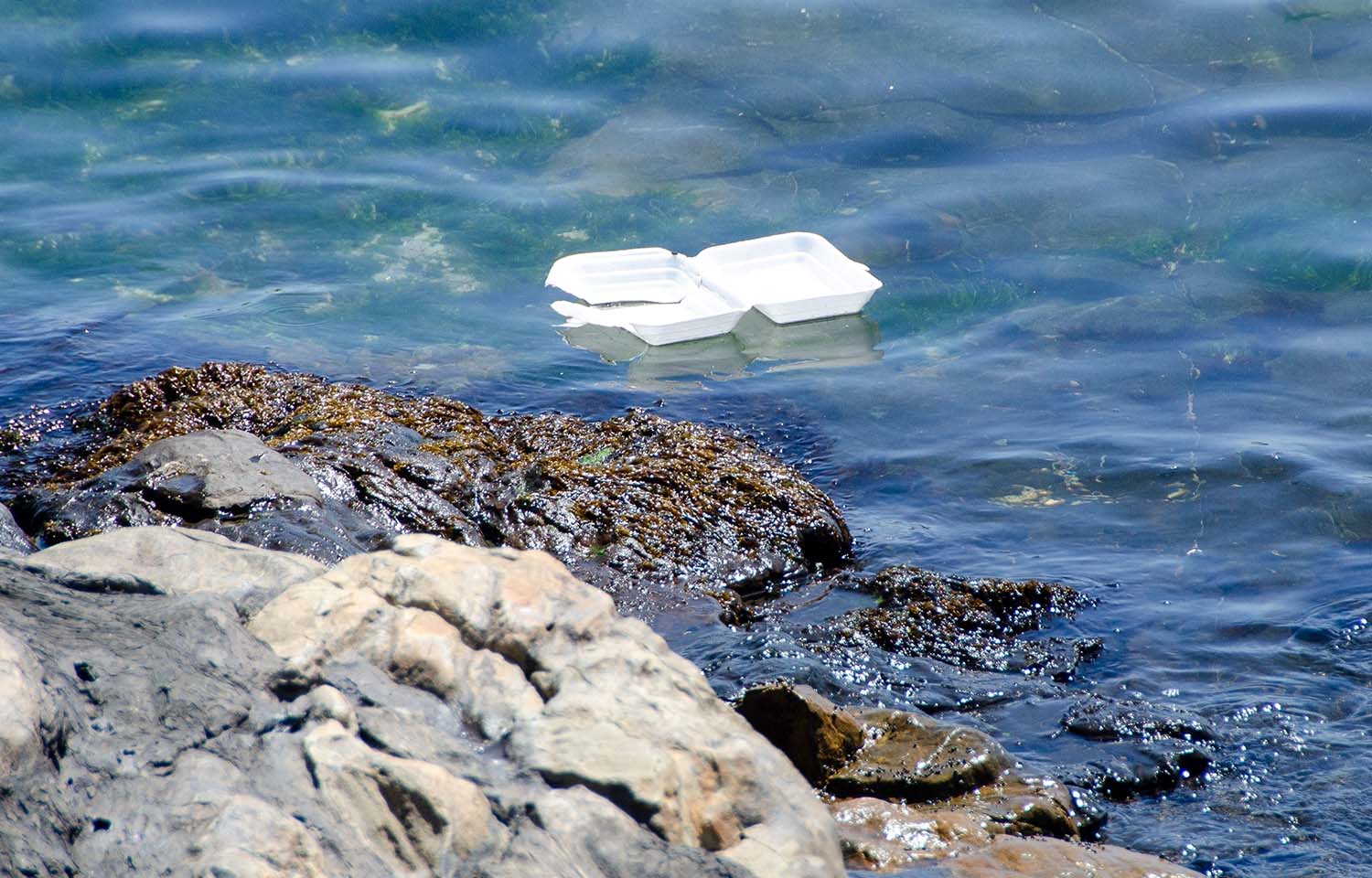
The Alaska State House recently passed a bill (HB 25) that would prohibit Alaska’s government and restaurants from using single-use polystyrene food ware as of 1 January, 2027, except for in a few granted exceptions.
The bill was sponsored by State Representative Andy Josephson (D-Anchorage) and supported by both political parties and the Senate on 18 May, 2026. It has since moved to Alaska Governor Mike Dunleavy’s desk for final approval.
House Bill 25 would ban the use of polystyrene foam, commonly known by the brand name Styrofoam. Restaurants can use biodegradable or compostable food ware, meaning all elements can “completely break down and return to nature or decompose into elements found in nature within a reasonably short period after customary disposal," as a substitute.
Exceptions include food prepared out of state, coolers and ice chests intended for reuse, and areas affected by disaster emergencies.
“Alaska is on the frontlines of the global plastics crisis, and lawmakers are stepping up with meaningful solutions,” Oceana Senior Campaign Director Christy Leavitt said in a release. “We are grateful to Rep. Andy Josephson as the bill’s sponsor and the support from legislators across party lines. By passing HB 25, Alaska is taking an important step to reduce harmful plastic pollution, protect ocean wildlife, and safeguard the health of Alaska’s communities. This commonsense policy reflects the growing support for cutting single-use plastics at the source. Now it’s time for the governor to sign this bill into law to protect Alaska’s people, wildlife, and oceans from harmful plastic pollution.”
Oceana pointed to data showing that 85 percent of U.S. voters support the use of reusable packaging and foodware, 82 percent of U.S. voters support protecting people in neighborhoods affected by plastic production pollution, and 80 percent of U.S. voters support requiring companies to reduce single-use packaging in food ware.
Additionally, Oceana said recycling is not enough to reverse the “plastics crisis,” as it’s been proven that less than 6 percent of plastic in the U.S. is recycled.
“One of the most problematic types of plastic is plastic foam,” the release said. “Oceana’s 2025 report ‘Plastic Foam Needs ‘To Go' outlined the dangers behind single-use plastic foam, including that it’s made with toxic chemicals linked to cancer. Plastic foam is also one of the most common types of marine plastic pollution and was one of the first types of plastic discovered in the ocean."
Oceana reported that an estimated 33 billion pounds of plastic are found in the ocean each year, which equates to two garbage trucks full of plastic being dumped into the sea every 60 seconds. Polystyrene foam was one of the earliest plastics found in oceans, and elements within it have tested positive for possible cancer-causing carcinogens in humans that may leak into food and beverages.
