

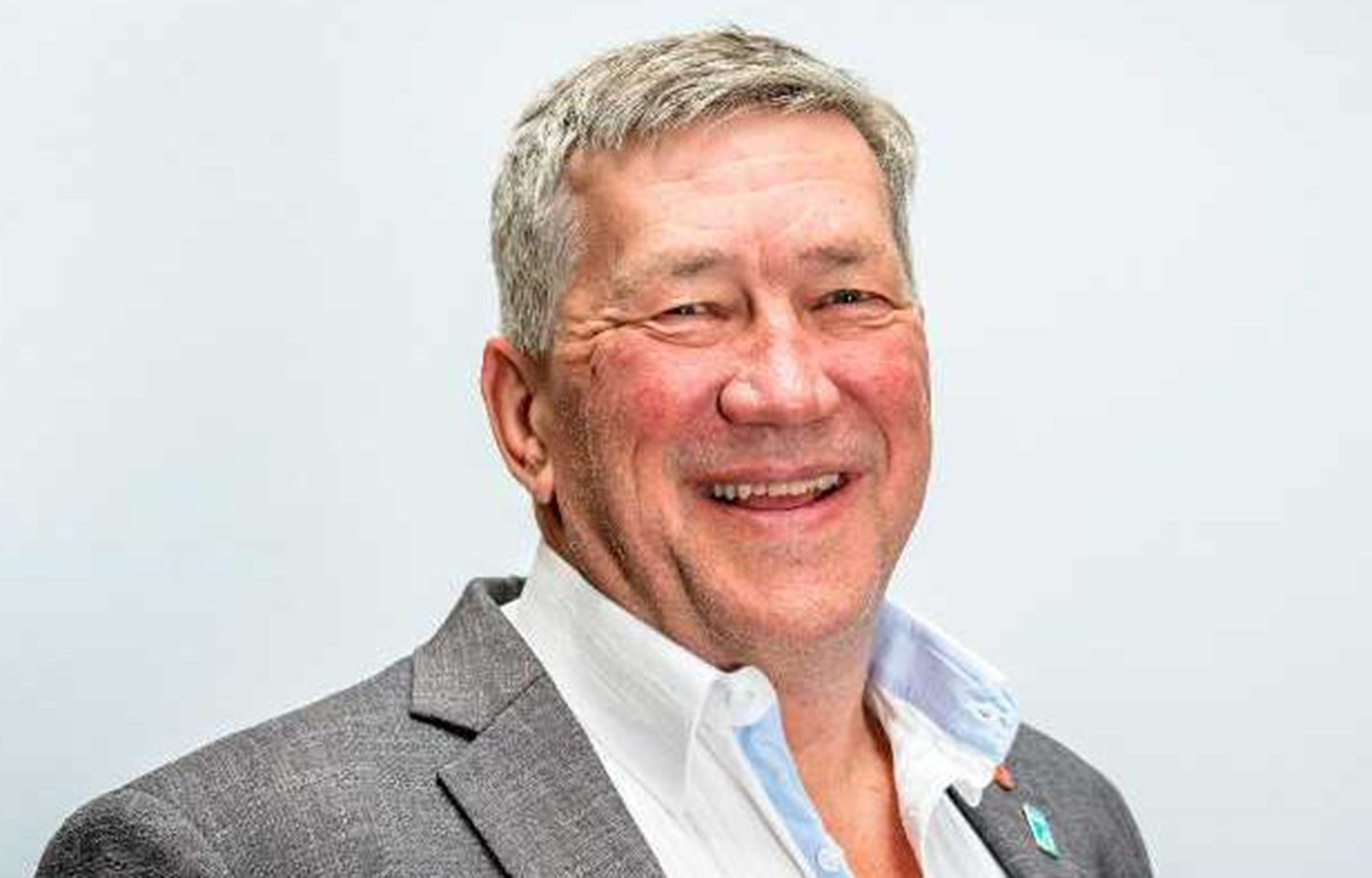
Chris Ninnes is CEO of the Aquaculture Stewardship Council (ASC) and previously served as deputy CEO and director of operations at the Marine Stewardship Council (MSC).
Aquaculture has a central role to play in feeding a growing and more affluent global population, but if we want that growth to be sustainable, inclusive, and resilient, we need to be honest about one thing: certification alone will not get us there.
Certification remains an essential tool. It recognises farms and supply chains that meet credible environmental and social requirements. It gives markets confidence. It helps reward better performance. And it creates incentives for producers to change practices and improve. But currently, only about one third of farmed seafood globally engages with markets demanding sustainability.
For many producers, certification is not always the starting point, nor necessarily the destination.
In many emerging aquaculture sectors, the first challenge is not how to certify farms, but how to create the conditions that allow improvement to take root. That means building practical guidance, strengthening collaboration, supporting better practices, and ensuring that progress reflects local realities as well as global expectations.
This is why ASC's work in Ghana is so important and so exciting.
Together with the Chamber of Aquaculture Ghana, the Fisheries Commission, and producers across the country, ASC is supporting the co-development of a Code of Good Practice for tilapia and catfish farming. The code is inspired by the principles of the ASC Farm Standard, but it is not an ASC certification program, nor is it an attempt to “certify Ghana."
It is something different, and arguably just as important: a locally grounded framework designed with and for Ghana’s aquaculture sector.
The aim is to support continuous improvement in a way that is practical, relevant, and achievable for producers of different scales. The code focuses on core areas, including legal compliance, environmental performance, social responsibility, and animal health and welfare. These are familiar themes for ASC, but the process in Ghana is deliberately built around local ownership.
That distinction matters.
Too often, sustainability solutions are developed in one context and then exported elsewhere with too little attention to the realities on the ground. That approach rarely delivers lasting change. Progress is far more likely when farmers, industry bodies, government agencies, and technical partners work together to define what improvement looks like and how it can realistically be achieved.
This is what we have seen in Ghana.
The process has brought together industry and government through the Chamber of Aquaculture Ghana and the Fisheries Commission, while also engaging directly with farmers and other actors across the value chain. Field visits and stakeholder meetings have helped test whether proposed requirements are relevant, proportionate, and applicable in practice.
That practical grounding is critical. A Code of Good Practice only has value if it can be used. It must be ambitious enough to drive improvement, but realistic enough that committed producers can take meaningful steps forward.
One of the most encouraging aspects of the Ghana work has been the level of engagement from the sector itself. Farmers are not passive recipients of an external model; they are helping shape the framework. Industry and government are not being asked simply to endorse an outcome; they are part of the process. All hope that improved farming practices will lead to better bottom-line rewards for farmers.
That is what gives this work its potential.
Ghana is important in its own right, but the wider relevance goes much further. Across Africa, aquaculture has enormous potential to support food security, nutrition, livelihoods, and economic development. As populations grow and demand for aquatic protein increases, farmed seafood will need to play a greater role. This logic applies to seafood farming globally.
The question is how that growth happens.
If emerging aquaculture sectors expand without strong foundations, they risk repeating mistakes seen elsewhere: poor environmental management, weak social safeguards, limited transparency, and fragmented development. But if growth is supported early through credible, locally owned improvement frameworks, there is an opportunity to build stronger sectors from the outset.
That should matter to everyone in the seafood industry.
Retailers, buyers, investors, development agencies, and governments all have an interest in ensuring that future aquaculture growth is not only productive, but also responsible, resilient, and trusted. This requires more than certification at the point of market access; it requires investment in the systems, partnerships, and practices that make better performance possible. These ambitions also sit at the heart of FAO’s Guidelines for Sustainable Aquaculture, and implementation of the Code of Good Practice is a tool to measure achievement and consistency with this ambition.
For ASC, this work reflects a broader role.
We will always remain committed to credible certification, but we also recognise that transforming aquaculture means engaging before certification becomes possible and when it may not be appropriate. It means sharing experience, supporting improvement pathways, and working with partners who understand their own sectors best.
That is not a dilution of the certification model. It is a recognition of how change happens.
The future of sustainable aquaculture will depend on many tools working together: standards, certification, improvement programmes, public policy, finance, technical support, and local leadership. No single mechanism can carry the whole burden.
Ghana offers a powerful example of what this can look like in practice: a sector taking ownership of its own development; government and industry working together; global best practice being adapted rather than imposed; and improvement being treated not as a one-off requirement, but as a shared journey.
As aquaculture continues to grow, we should be asking not only which farms are ready for certification today, but how we help more sectors build the conditions for better performance tomorrow.
If we are serious about the future of sustainable aquaculture, we need to invest not only in recognising good performance, but also in creating the conditions that allow it to emerge.
