






Scientists with Canada’s Department of Fisheries and Oceans (DFO) has presented a new comprehensive update on the North Atlantic right whale population, finding shifts in the population and the possibility of recovery if the right actions are taken.
The review was part of a Recovery Potential Assessment (RPA) for the whales, and according to the DFO assessed a range of different topics concerning the species, including abundance, distribution, threats, and recovery targets. The North Atlantic right whale is critically endangered, and hit a low of 358 individuals in 2020.
That population has slowly increased since that low, and a recent estimate by the North Atlantic Right Whale Consortium places their numbers at 384. DFO said the population projections found that if threats to the species like vessel traffic, fishing activities, underwater noise, and industrial pollution are managed, the population can recover to a healthy state “in the next 25 to 100 years.”
The plight of the right whale was a major issue for both U.S. and Canadian fisheries, with the U.S. lobster fishery going through a multi-year battle which saw proposed regulations only averted by a last-minute rider on a spending bill and multiple court rulings finding the fishery violated the endangered species act.
Canada’s snow crab fishery faced similar pressure, as it came under fire for right whale entanglements and U.S. senators called on the country to increase protections or risk import prohibitions.
Since that controversy, fisheries in both countries have taken steps to limit interactions with right whales, and DFO said continued action will be key to the species’ recovery.
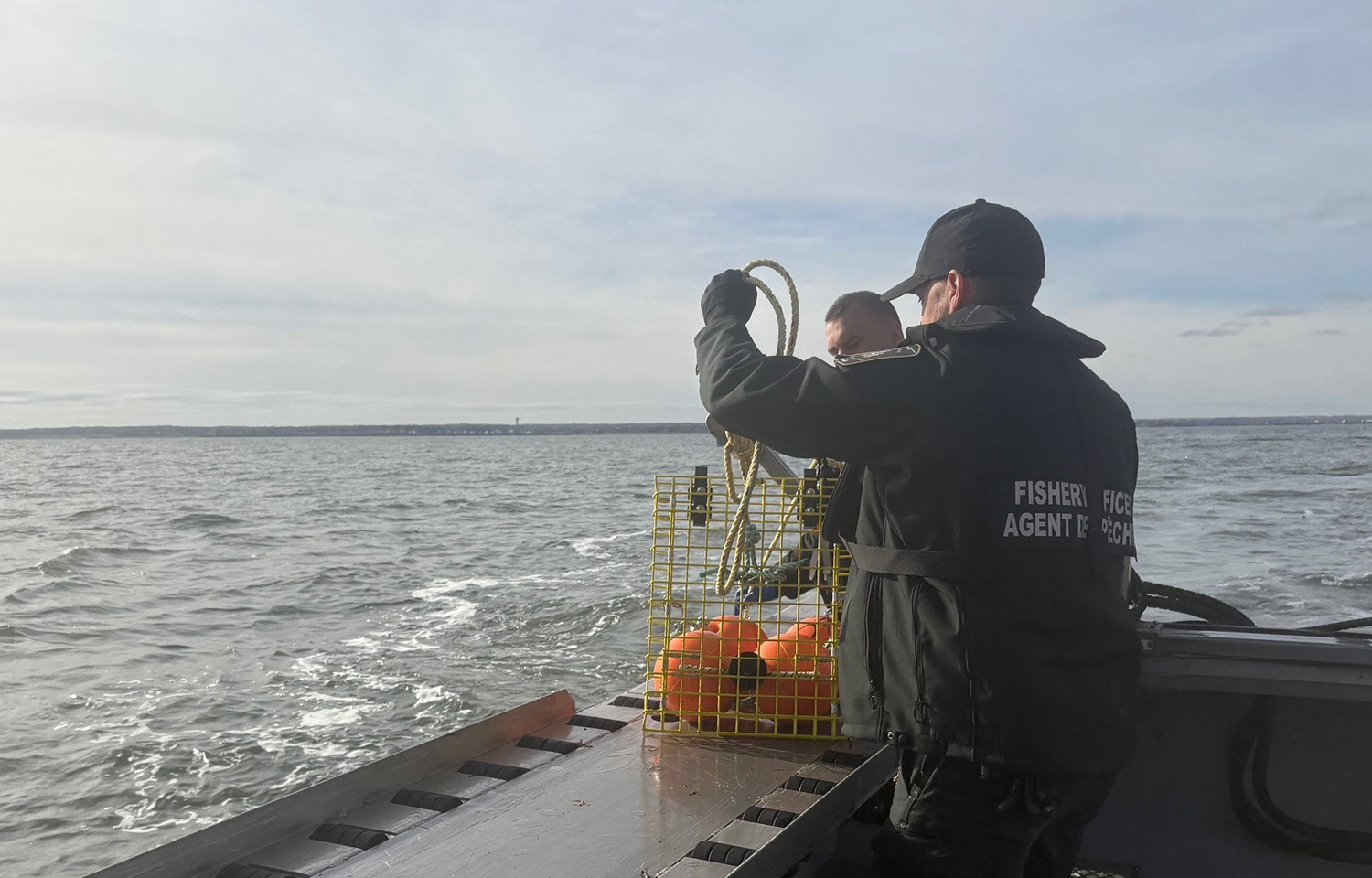
“Since 2018, DFO has implemented numerous measures to prevent entanglements of NARW, including targeted whale surveillance, fishing area closures when and where NARW are detected, testing and trialing of whalesafe fishing gear, and taking action on ghost gear,” DFO said.
The DFO said the whales’ territory has continued to expand and there are now right whales as far north as the Gulf of St. Lawrence due to rising ocean temperatures, which means scientists and fisheries will need to continue to monitor the situation.
“Decisions on right whale management approaches are informed by the best available science, as well as engagement with industry, Indigenous groups and environmental organizations, and take into account socioeconomic considerations,” DFO said.
