






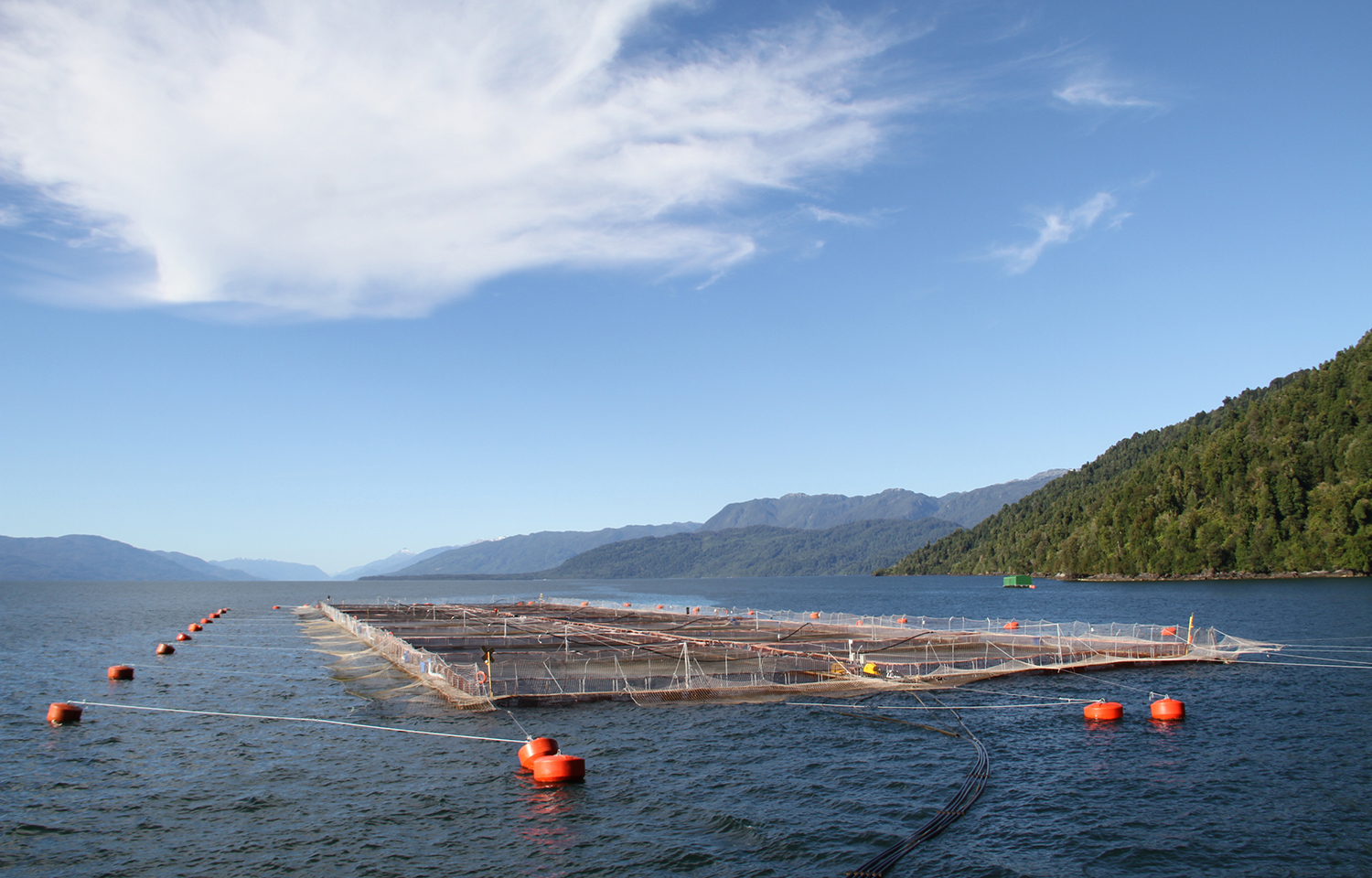
Nine Chilean salmon-farming firms racked up 95 cases of overproduction in operations located in the country’s natural reserves from 2012 to 2023, but the Chilean Superintendence of the Environment (SMA) has punished just one infraction, according to findings from a local environmental NGO.
“A series of salmon industry infractions against environmental regulations are set to expire if the SMA does not formulate the appropriate charges in this regard. As such, the harvest of more than 67,000 [metric] tons of salmon above the authorized limits, by nine companies operating within the Las Guaitecas and Kawésqar national reserves, will go without fines or sanctions,” environmental NGO Fundación Terram said in its investigative report.
SMA regulations stipulate that such violations can be punished up to three years after they occur.
“Of these 95 cases, 79 have already expired because more than three years have passed since the events occurred. Meanwhile, of the 16 cases that have not yet been prescribed, they would begin to do so from May 2024 on,” the report said.
The report also found that the overproduction led to environmental damage. The SMA took 950 samples of the seabed at the farming centers in the Aysén region, and 263 showed results with low levels of oxygen, which the NGO said puts life in these ecosystems at risk. Another 378 samples of the seabed were taken in the Magallanes region, of which 156 resulted in low levels of oxygen.
The main perpetrators of overproduction in national reserves, according to Fundación Terram, included Australis Mar, which had 23 cases of overproduction in the time frame studied, resulting in 22,708 metric tons (MT) of overproduction; Blumar, with 17 cases resulting in 12,315 MT of overproduction; AquaChile, with 17 cases resulting in 10,508 MT of overproduction; Multi X, with 11 cases representing 9,440 MT of overproduction; and Cultivos Yadrán, with 12 cases resulting in 5,215 MT of overproduction.
The other companies listed – Invermar, Cermaq Chile, Mowi Chile, and Camanchaca – had single-digit cases each resulting in 2,500 MT of overproduction or less.
The SMA has since initiated a sanctioning procedure against Blumar, which is facing a fine of up to CLP 3.9 billion (USD 4.3 million, EUR 4 million) for overproduction during its 2019 to 2021 production cycle at its Córdova 1 grow-out center in the Kawésqar National Reserve.
The largest offender, Australis Mar, was sold in 2018 for USD 921 million (EUR 848 million) to Chinese foodservice company Joyvio. After the sale, Joyvio alleged the former owners had engaged in one of the “greatest frauds in the history of Chile” in reportedly hiding, falsifying, or adulterating critical information during the sales process, including what the company now deems was deliberate overproduction to inflate salmon-production numbers and valuation when it came time to negotiate a sale.
It self-reported its cases of overproduction to the SMA in October 2022 in a bid to lower sanctions by environmental authorities, but Fundación Terram’s report claims that the 23 cases of overproduction it highlighted were not on the self-report.
Calculating the average 2022 price of salmon at USD 9.79 (EUR 9.01) per kilogram, Fundación Terram estimated that the more than 67,000 MT of salmon produced above levels authorized in the salmon farmers’ environmental permits would represent USD 660 million (EUR 608 million) in revenues.
When authorities were consulted regarding this information, the National Fisheries and Aquaculture Service (Sernapesca) reportedly said they had informed SMA on 13 of the 95 cases. The latter is said to have received said complaints but has only acted on Blumar so far.
After reviewing the findings of this investigation, Chilean Congressman Félix González, who is the president of the Chamber of Deputies’ Environment Committee, said that he will extend an invitation to SMA and Sernapesca for a special committee session to account for how the overproduction cases could go unnoticed, Terram reported.
Also in response to the report, SalmonChile President Arturo Clement urged salmon farmers to remain within production limits. He told broadcaster Radio Infinita that some reports by NGOs can be “subjective and half-truths, [but] our position is very clear: You cannot produce more than what is authorized.”
At the same time, he said it was a “myth” that salmon farms are not audited.
“SMA is connected online with all of the salmon production centers. It has the main environmental indicators – oxygen, salinity, and water temperatures,” he said. “There are no other companies in Chile that are connected online with the auditor. In 2023, we had 1,788 audits, which represented more than 50 percent of all the audits performed by the SMA, and we had 98.9 percent compliance. The Australis case and other isolated cases are within that 1.1 percent of non-compliance. We are the most audited industry, and we have higher compliance than the national average, which is 96 percent.”
