





Karkkila, Finland-based seafood technology company Hailia, which partners with seafood producers to utilize seafood sidestreams, said that it has found products made from sidestreams are more nutritionally dense than their fillet counterparts.
In a study produced by the firm, which examined the nutritional makeup of products made with sidestreams from salmonid filletting, including heads, fins, and fish frames, sidestream products were found to contain as much as 20 times more calcium, five times more marine collagen, twice the amount of iron, and 10 times more zinc per 100 grams than salmon fillets of the same size.
Hailia CEO and Founder Michaela Lindstöm said that extracting value from sidestreams is nothing new.
“Sidestreams have been valuable in cooking throughout our history, from broths to local delicacies, because they give good taste and contain high levels of healthy nutrients,” she said. “Our data shows that these same raw materials can serve a much bigger purpose, not just as traditional ingredients but as a natural source of nutrients like marine collagen that are increasingly sought after in global wellness markets in supplement form. By producing ready-to-eat products from these parts of the fish, we can offer people better nutrition in everyday foods while reducing waste and creating more sustainable value from every catch.”
Hailia Co-Founder and CTO Otto Kaukonen added that other industries have already unlocked the untapped nutritional and economic value in sidestreams, and seafood can do the same.
“For decades, the best parts of grains were discarded; we focused on starch and left behind the bran and germ, which we now know are the most nutrient-rich components,” he said. “We’re seeing a similar pattern in seafood today. Traditional processing has prioritized fillets, even though the heads, frames, and fins contain much higher levels of collagen, calcium, and iron. With Hailia’s technology, we can finally unlock the full nutritional potential of these parts, giving them a new life in higher-value products. It’s a shift that could make seafood sidestreams the next superfood that’s naturally nutrient-rich, sustainable, and ready for modern diets.”
In a release about the findings, Hailia said that while the supplement industry has grown markedly in recent years, the fish skin and scales that are often used to produce popular supplements like collagen are sourced entirely separately from food production. Hailia seeks to reduce the waste – and cost – of these products by drawing these nutrient-dense ingredients from fish byproducts and sidestreams that are being underutilized by already existing seafood-processing businesses.
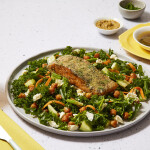
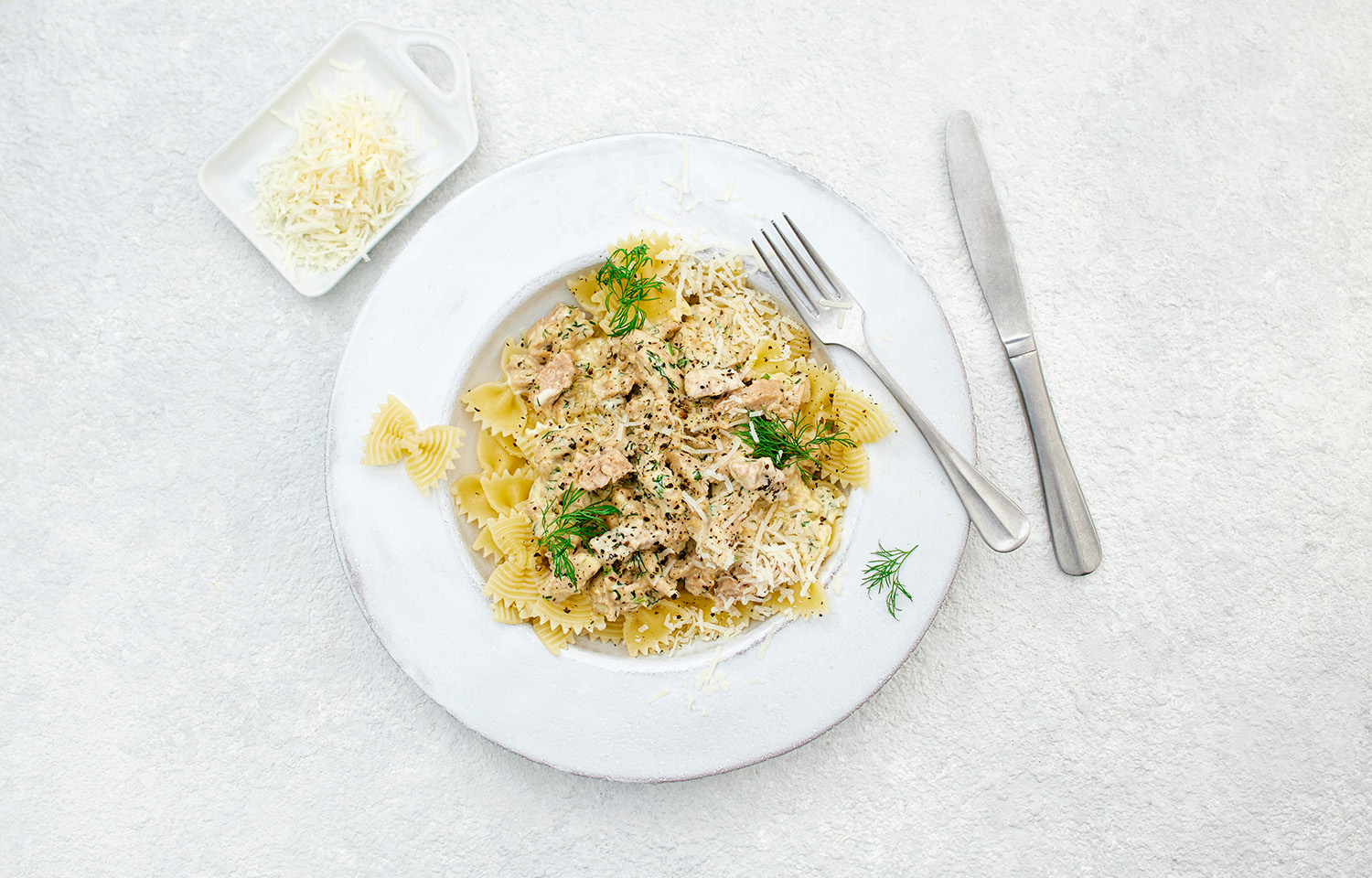
In order to do so, the company partners with seafood producers to use its technology to upcycle sidestream materials into consumer-ready products like its recently introduced pulled rainbow trout, a collaboration with Kuopio, Finland-based seafood supplier Kalavapriikki and retail chain S Group.
Hailia’s technology is focused on producing food textures that are recognizable to consumers, with such uses including protein-rich meal toppers.
Lindström has argued in the past that the utilization of seafood byproducts for human food is the obvious next step for the industry, given that seafood consumption continues to rise as fish stocks decline.
“Instead of setting the bar at feed and oil products with sales prices of around EUR 0.30 (USD 0.31) per kilogram, the sales price could be increased by 10 to 15 times if the sidestreams were used for food products,” Lindström said.
Such utilization would result in both profit increases and advances in food security since “food processors don’t have to go outside their core business to sell these raw materials if they can upcycle them into food products offered to consumers at affordable prices," she said.
"These products will not only be their most affordable products in the market but also their most profitable ones,” Lindström said. “There is immense value to be created, as around 50 percent of the fish is used for low-value products, ending up in places other than the dinner table. The food industry needs to stop looking at circularity solely as a sustainability goal and start considering it as an economic one.”
