


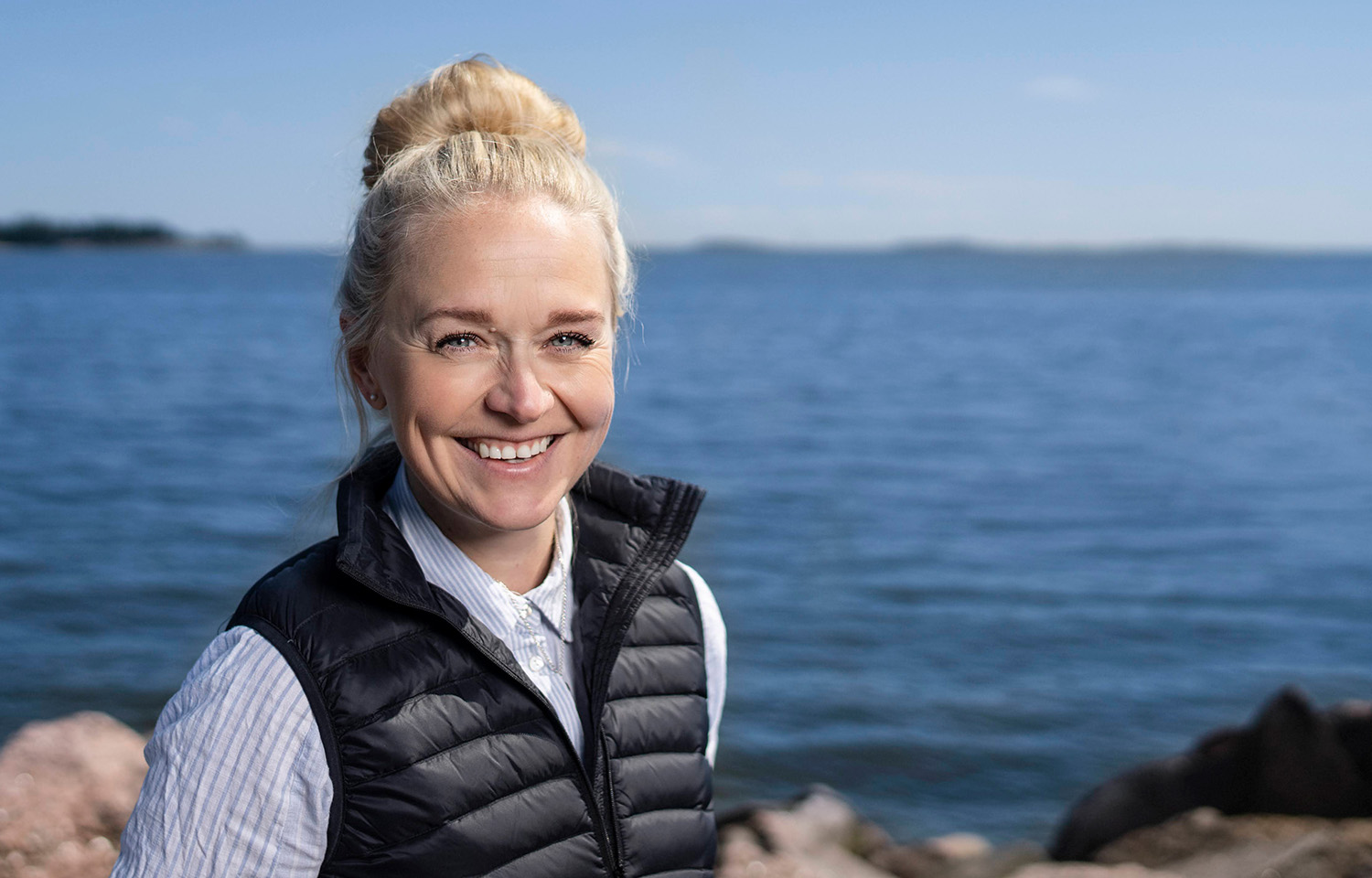
Michaela Lindström is the CEO of Hailia, a Karkkila, Finland-based food technology company that developed a system to utilize side streams in seafood processing as food products.
The world’s seafood consumption is expected to increase by more than 50 percent by 2050. At the same time, world fish stocks are expected to decline, with several key stocks like bluefin tuna, cod, haddock, and grouper under threat. This makes for an equation that cannot be solved with increased fishing and aquaculture.
This means we have to be smarter about getting the largest amount of food possible from the fish we already produce from aquaculture or catch within existing fishing quotas. The answer lies in turning the parts of the fish that are currently not used for human consumption into profitable and tasty food products.
These side streams – proteins that aren’t from the fillet – such as from the frame, head, and fins, don’t go in the bin today either. However, while the fish-processing industry has been good at using side streams for animal feed or the production of oils, the economic potential of producing human food is often overlooked. If we use more of the fish for human consumption, it will contribute more to growth than increasing fishing or launching new filet products.
Instead of setting the bar at feed and oil products with sales prices of around EUR 0.30 (USD 0.31) per kilogram, the sales price could be increased by 10 to 15 times if the side streams were used for food products. Food processors don’t have to go outside their core business to sell these raw materials if they can upcycle them into food products offered to consumers at affordable prices. These products will not only be their most affordable products in the market but also their most profitable ones.
There is immense value to be created, as around 50 percent of the fish is used for low-value products, ending up in places other than the dinner table. As such, the food industry needs to stop looking at circularity solely as a sustainability goal and start considering it as an economic one.
Using the side streams for food doesn’t compete with sales of filets, but rather supplements and complements it. This way, processors can expand and broaden their own portfolio of products, which could even help to increase their market share compared to the meat industry. All while ensuring growing profits for those who do the hard work of turning fish into food products.
Many fish processors are already looking at solutions for using side streams for human food, but few have taken the leap to implement new innovations that meet customer demands for new products at the required scale. We know the retail sector needs innovations that deliver healthy fish products that can make everyday meals like pasta or wok dishes both more sustainable and tasty while keeping a reasonable price point – not to mention the benefits for commercial kitchens that use large quantities of seafood every day. The demand is huge, but the supply is lagging behind.
The sustainability benefits of increased fish consumption without increased production are already known. The disparity between sustainable supply and global demand is widening. The solution is to get more out of what we already have, transforming side stream raw materials every seafood producer already has into attractive, accessible, and tasty seafood products that also help optimize profitability. All that’s needed from the industry is to step up their ambition level for utilizing side streams and get on board.
