






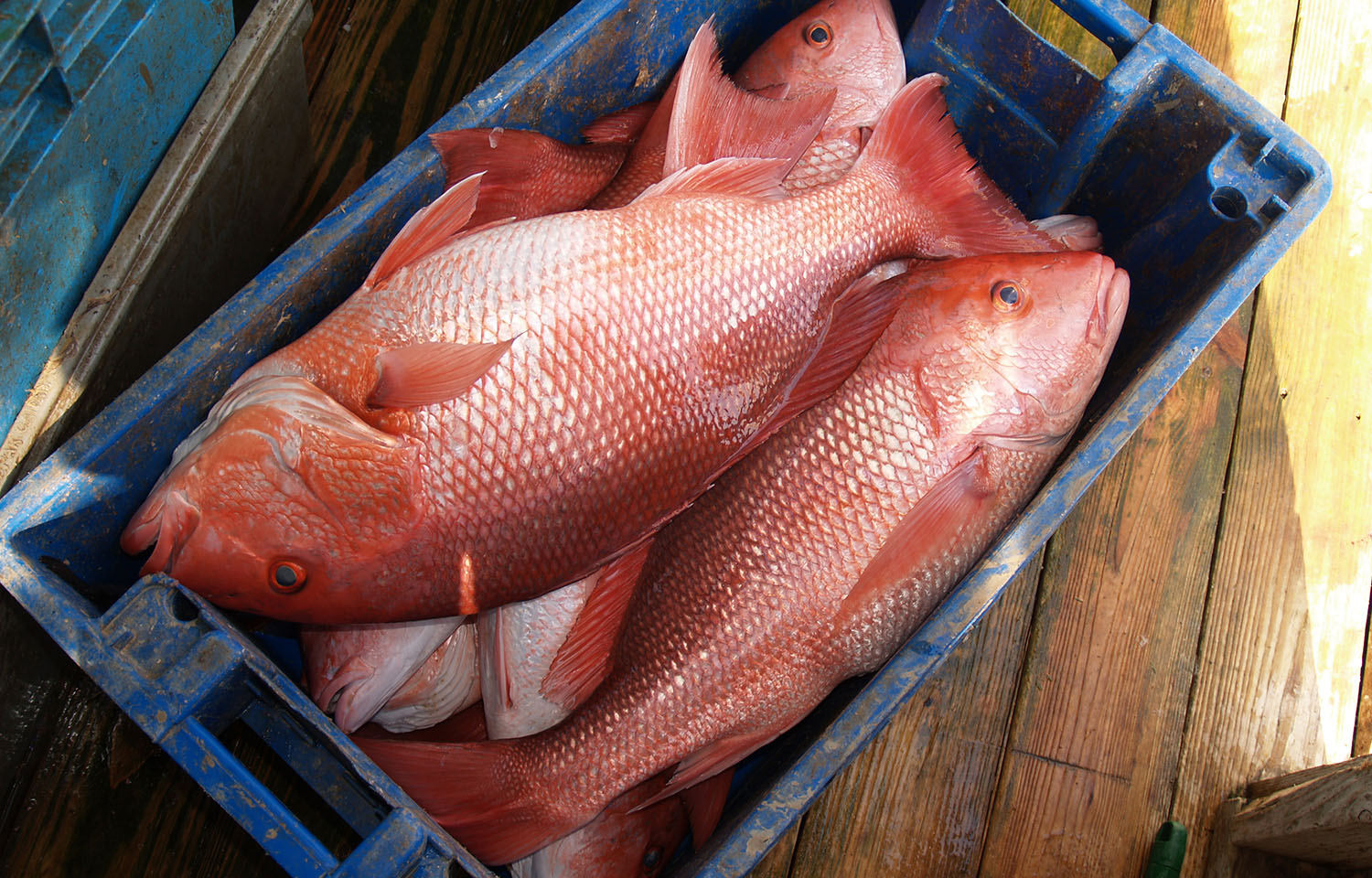
The Florida state government has officially submitted a request to the U.S. Department of Commerce to control recreational red snapper fishing off the state's Atlantic coast, which it already controls on its Gulf coast.
“State management and expansion of Gulf snapper season have been a major boon for our Gulf of America communities, allowing so many Floridians and visitors to enjoy the red snapper our waters have to offer,” Florida Governor Ron DeSantis said in a statement. “I was proud to announce that Florida anglers will soon be able to enjoy more Atlantic red snapper fishing as well.”
On 10 November, DeSantis officially submitted an Exempted Fishing Permit (EFP) request to U.S. Commerce Secretary Howard Lutnick that would allow the state to control recreational red snapper fishing in state and federal waters starting in 2026.
While the state has been able to take over and expand recreational red snapper fishing on the Gulf Coast, the two fisheries are not identical.
Red snapper fishing in the Southeast Atlantic has been severely curtailed after regulators determined that the species was subject to overfishing, with the recreational season limited to just one or two days a year.
Recreational anglers and their government representatives at the state and federal levels have rejected any concerns over overfishing and strenuously fought federal limitations. However, lawsuits brought by conservation groups concerned about overfishing have forced the federal government to take action. The latest management plan to address the issue – Amendment 59 – would limit the total annual catch limit (ACL) to just 509,000 fish.
The plan has been panned by state governments, who have responded by taking control over recreational fishing in state waters. They’ve also asked the federal government to cede control of recreational red snapper fishing in federal waters to them. State attorneys general, Congressional representatives, and governors have written to Lutnick seeking the Trump administration’s support for their effort, pointing to a similar regulatory setup in the Gulf Coast recreational red snapper fishery.
In 2018, NOAA Fisheries issued EFPs to the Gulf-bordering states of Texas, Louisiana, Mississippi, Alabama, and Florida, giving them control of private angling for red snapper in federal waters. Under the EFPs, the federal government still set quotas for recreational fishing, but the states were able to establish their own management measures and set seasons for private anglers. The Florida state government has claimed its control of recreational red snapper fishing has been a great success, highlighting the expansion of the season from three to 127 days and a 4,100 percent increase in fishing opportunities.
Despite the differences between the Atlantic and Gulf fisheries, Florida officials claim they can repeat the success they’ve had in the Gulf.
“Florida has proven it can effectively and efficiently manage the Atlantic recreational red snapper fishery,” Florida Fish and Wildlife Conservation Commission Executive Director Roger Young said in a release. “Under Governor DeSantis’ leadership, the state has expanded access for and delivered greater opportunities for anglers in the Gulf year after year – demonstrating a strong commitment to both conservation and the fishing community. We are excited and ready to bring this level of expertise to manage the Atlantic recreational red snapper fishery.”
If approved, the new Florida EFP would allow for a 39-day season, with a first opening from Memorial Day weekend in May through 20 June and then a reopening for three three-day weekends in October. The state claims the move would be a boon to its coastal boating and fishing economy and aligns with the Trump administration’s priorities.
“The Trump administration has taken action to rein in the bureaucracy and return this power to the states, where it belongs,” DeSantis said. “Just as it has on the Gulf coast, Florida’s management of Atlantic red snapper fishing will boost local economies along our Atlantic coast, supporting tackle and bait shops, hotels, restaurants, and the entire recreational fishing community.”
It's unclear how state control of red snapper fishing in federal waters would impact the commercial fishery operating in the same waters, which has battled with recreational anglers for a greater share of an increasingly small harvest. Allocations have typically favored the recreational sector, and Amendment 59 follows that trend; the plan would give commercial fishers just 28 percent of the ACL.
In July, commercial fishers, seafood processors, and buyers challenged Amendment 59 in court, arguing that it does not address the top issue in the red snapper fishery – dead discards. Virtually all recorded dead discards come from the recreational sector, and by ignoring the issue, commercial fishers say regulators are effectively reducing their share of the catch.
“By consigning dead discards to management outside the ACL system, the Amendment 59 Final Rule also allows a de facto reallocation of red snapper catch away from the commercial sector and toward the recreational sector – which is responsible for virtually all of the dead discards,” the lawsuit states.
