






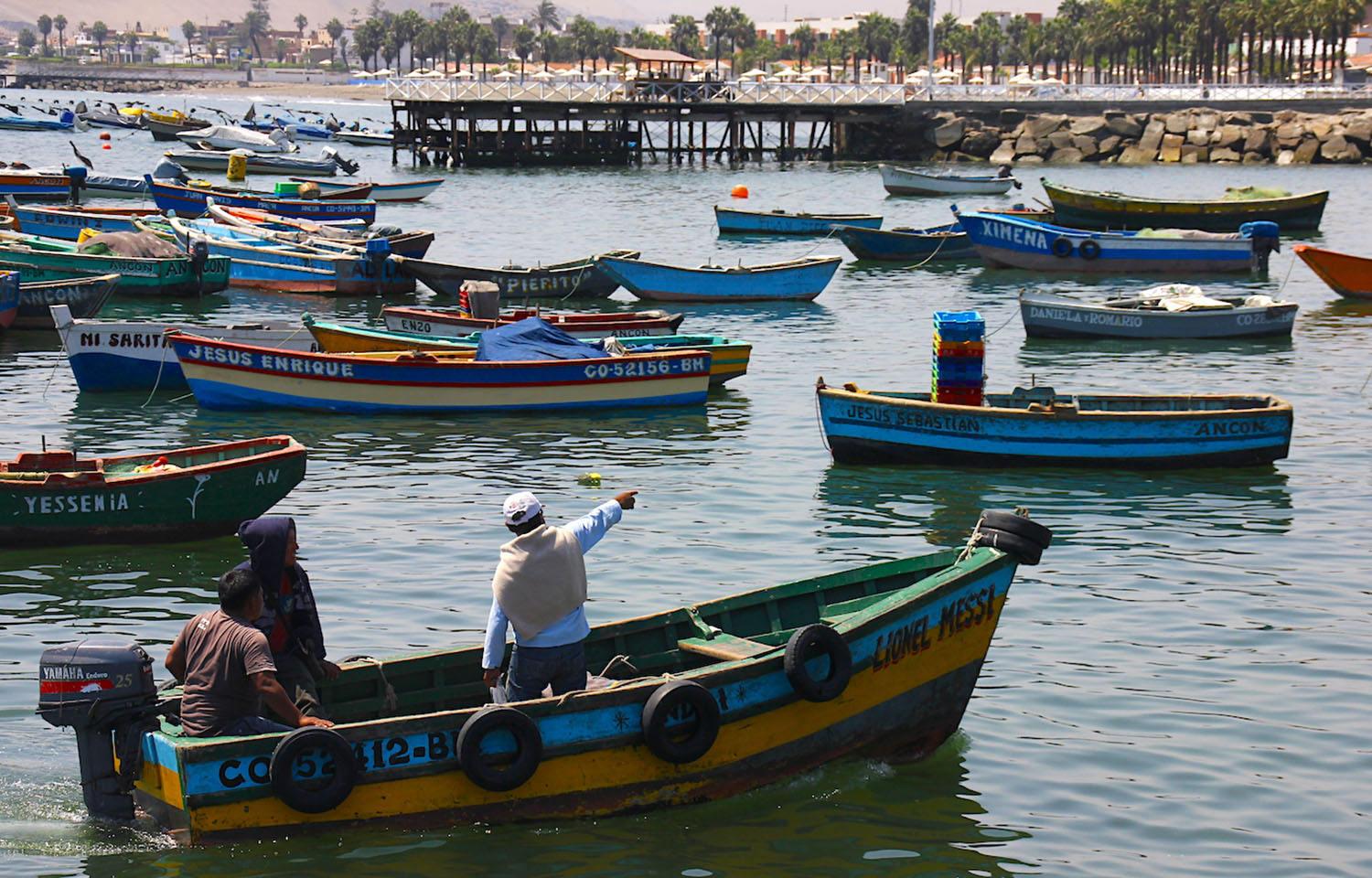
Future of Fish, an international nonprofit working closely with seafood supply chains, has kicked off a pilot development fund looking to enhance the sustainability of small-scale fisher operations in Peru.
The Artisanal Fisher Development Fund seeks to make credit access more widely available to support the formalization and sustainable practices of Peru’s artisanal fishers.
Through the project, working capital loans distributed to fishers are expected to finance local cooperatives’ purchase programs for such resources as gas, ice, oil, and other essential items for operations, with savings passed on to members to reduce operational costs and increase profit margins.
The fund, which is slated to last two years, beginning with the disbursement of the first loans that will coincide with the mahi season opening 1 October 2024, also aims to widen access to loans that allow fishers to attain such technology as GPS devices, radio beacons, four-stroke engines, and more. This is expected to reduce costs and environmental impacts, support traceability, and promote safety while ensuring fishers abide by national and international regulations.
More than 50,000 artisanal fishers work along Peru’s coastline, supplying 80 percent of the fish that feeds the country’s population, Oceana reported.
Peru is one of the world’s top fishing nations, coming in second only to China in terms of volume of wild fish caught, but most vessels in the nation lack secure tenure rights and operate in an informal economic setting.
Specifically, the World Wildlife Fund estimates that 62 percent of the artisanal fishing fleet in Peru operates informally, leading to a number of challenges, including limited access to financial services, unstable income and job insecurity, unsustainable fishing practices, substandard working conditions and occupational hazards, and perpetual poverty via lower wages and limited access to healthcare and education.
“This loan guarantee fund represents an innovative approach to support fishers in managing the transition from informal to formal and, thus, from IUU [illegal, unreported, and unregulated] to legal fishing,” Future of Fish Executive Director Peter Battisti said in a statement. “Capacity-building to support better administration to unlock pilots that support better business practices that can result in increased profitability can help demonstrate that there is a business case to be made to incentivize more responsible production, both in Peru and globally.”
With Peruvian artisanal fishers often having a difficult time demonstrating commercial and fiscal track records, or putting up collateral to back loans, formal access to finance is currently limited. The fund looks to provide these fishers with a path to overcome these limitations and secure loans, helping to transition to the formal economy.
The end goal of the pilot fund is to demonstrate to artisanal fishers the economic benefits of formalizing and engaging in sustainable practices. To access the fund, recipients will have to comply with all legal business requirements, including business incorporation and vessel registration, as well as with fishery regulations such as the logging of all fishing activities.
The fund, co-designed with local partners, has been made possible thanks to philanthropic contributions for seed funding. Specifically, Future of Fish has partnered with Caja Sullana, one of Peru's main savings and lending institutions.
Additionally, funding for the program is set to benefit all cooperative associates, according to Cooperativa Pesquera San José Manager José Mario Fiesta.
“This is innovative for us because, within Peru’s artisanal fishing sector, nothing like this has been done in the past. Moreover, this pilot project will also support us to adopt good sustainability practices,” he said. “Thanks to this project, we will also improve our managerial and financial capacities, including keeping proper accounting and fiscal records as well as producing financial statements, so in the future, we could use them to apply for credits with private and government financial entities.”
In addition to co-managing the fund, the local branch of Future of Fish will work to provide financial literacy consultation and support loan recipients throughout the process – from loan application to full repayment.
“We believe that facilitating this access to credit for Peru’s recently formalized artisanal fishers, co-ops, and associations is an essential step to ensure responsible business practices that support improved fisheries management, contributing to reduced IUU fishing,” Future of Fish said.
