





The Global Seafood Alliance (GSA) announced its Best Aquaculture Practices (BAP) certification standard will no longer allow eyestalk ablation by the end of 2030.
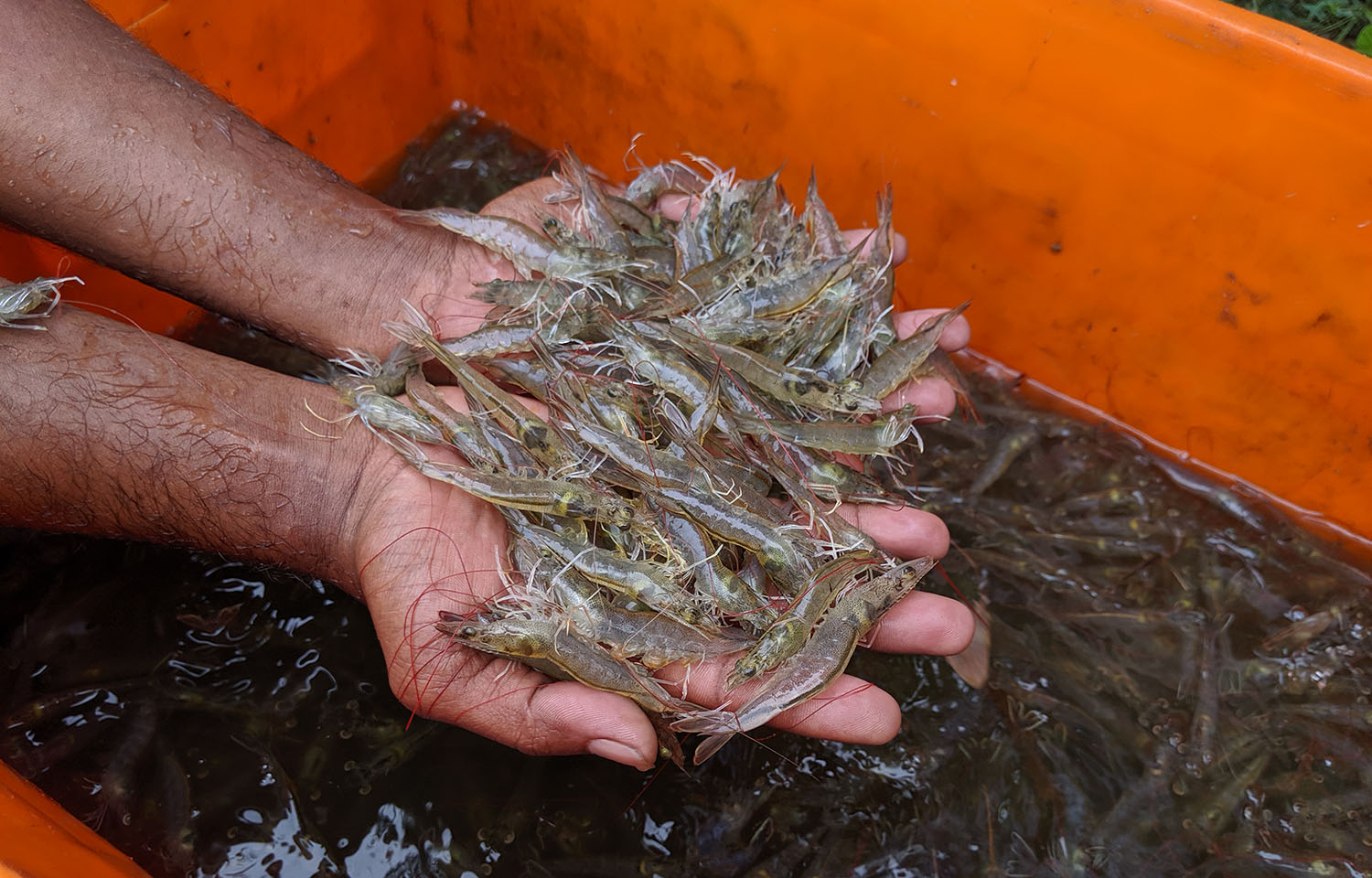
Eyestalk ablation involves removing one or two of the eyes of a female shrimp, which prompts it to lay eggs faster than it would have otherwise. A number of grocers have begun eliminating the use of the practice within their shrimp supply chains, including Iceland, Morrisons, Co-Op, and Tesco.
GSA said that over the past several years, it has funded and undertaken research to identify commercially viable alternatives to the use of eyestalk ablation and has also collaborated with a number of NGOs, academic institutions, and industry partners to determine what challenges would face the industry if it decided to end the practice. GSA shared some of the results of its industry surveys last year, which showed use of the practice varies across countries and companies.
The survey also found larger companies are moving away from ablation, while smaller producers may be more affected by banning the practice. At GSA’s Responsible Seafood Summit in 2024, University of Stirling postdoctoral researcher Simão Zacaria – who won the 2020 Global Aquaculture Innovation Award for his research on shrimp eyestalk ablation – demonstrated alternatives to the practice could be cost neutral or even save costs for shrimp farmers.
“The years of rigorous due diligence conducted by the GSA team and by our valued external shareholders gives us confidence that BAP-certified shrimp facilities will be able to successfully make the transition to non-ablated shrimp production within five years,” GSA CEO Mike Kocsis said. “It may be a difficult challenge for some producers, but it’s become clear that eyestalk ablation should no longer be considered among the best practices for shrimp aquaculture.”
Kocsis said animal health and welfare is one of the pillars guiding GSA’s development of the BAP standard and that those standards are designed to reflect evolving best practices in the industry. GSA said new research on eyestalk ablation has shown it is an issue that the shrimp aquaculture industry “can and should” solve in response to consumer and retail demand.
“GSA stands ready to support the global aquaculture industry at all times and be a resource for shrimp farmers everywhere who need assistance making this historically important transition,” Kocsis said.
GSA said there are currently 1,900 shrimp farms and 150 shrimp hatcheries certified to the BAP standard globally.
