






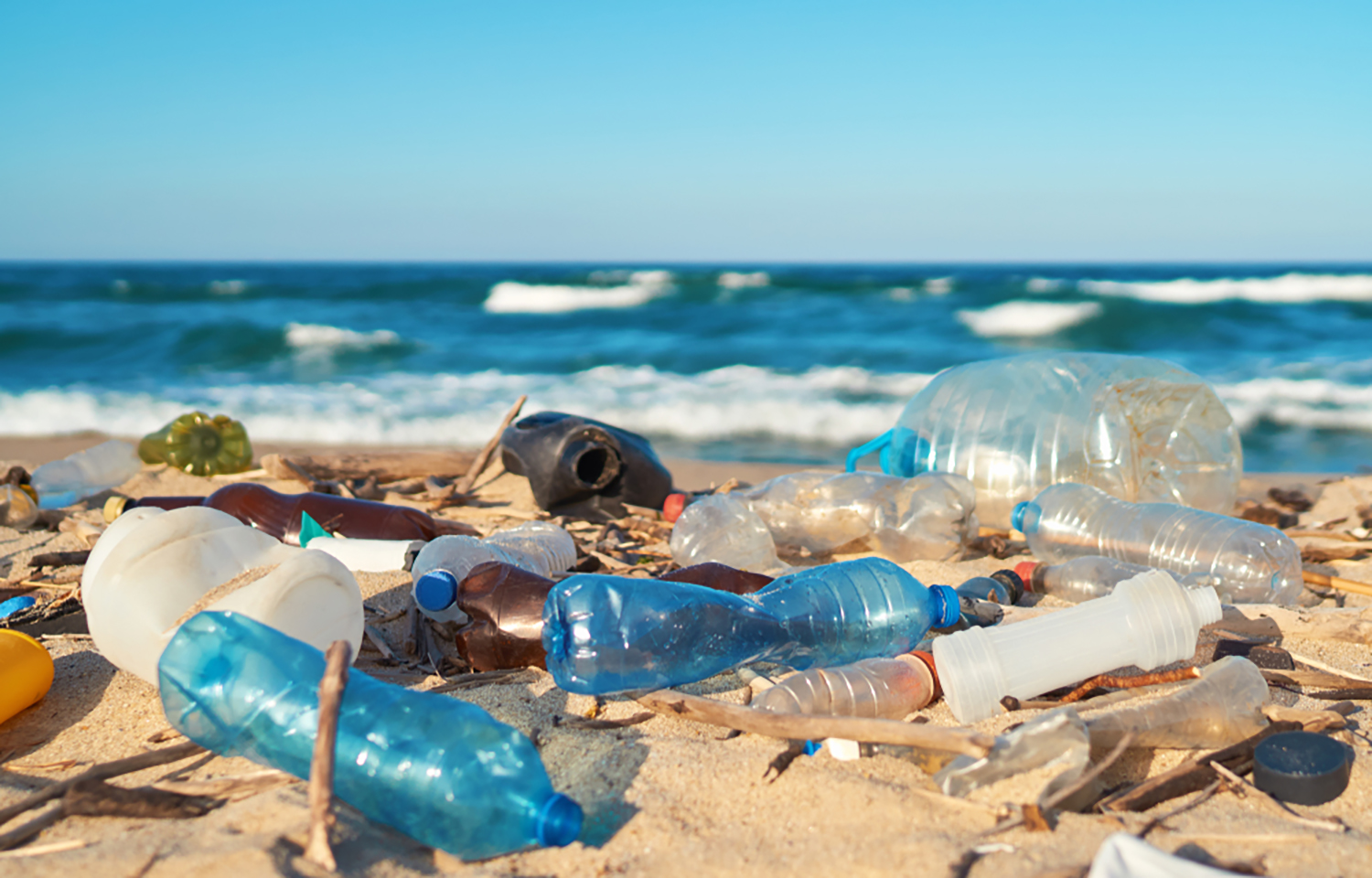
Ahead of the fourth round of United Nations negotiations (INC-4) aiming to create a legally binding Global Plastics Treaty, nearly 30 U.S. environmental organizations representing over 15 states and territories have called on the Biden administration to intensify efforts to combat plastic pollution around the world.
In their letter to the administration, the groups outlined how the U.S. is particularly well-suited to become a leader in plastic reduction and how the timing of INC-4, taking place 23 to 29 April in Ottawa, Canada – nearly a year and a half after INC-1 – presents a perfect opportunity to take action.
“We have an unprecedented opportunity to address these urgent environmental threats," Anja Brandon, the associate director of U.S. plastics policy at Washington, D.C.-based environmental advocacy nonprofit Ocean Conservancy, said. “With 75 percent of Americans considering plastic pollution entering the ocean a pressing problem, the government must get on board.”
The zero draft for the Global Plastics Treaty was released ahead of INC-3, which took place from 13 to 19 November 2023 in Nairobi, Kenya.
Though the draft includes many of the recommendations groups put forth prior to its release, the Ocean Conservancy urged member states to prioritize specific, globally binding targets in the treaty’s final version that narrow in on actionable steps relevant parties can take to combat plastic pollution.
“The zero draft is a solid starting point for the negotiations, and we were glad to see that all of Ocean Conservancy’s priorities were included in the text. As it stands, the zero draft is broad and provides an array of options of varying strength,” Global Ghost Gear Initiative and Ocean Conservancy International Government Relations Senior Director Ingrid Giskes said. “We are glad that this format allows room for negotiators to deliberate, but it also means that our focus in the upcoming negotiations will be to advocate for a final version that is specific, comprehensive, and ambitious.”
A 2020 study published in Science estimated plastics in the world’s aquatic ecosystems total somewhere between 24 and 35 million metric tons (MT), but expected that number to rise to as much as 53 million MT by 2030, even when considering current reduction commitments. To effectively address this, the study said overall plastic consumption and usage must be reduced by 25 to 40 percent, depending on the average income level of a country’s citizens, by 2030.
This figure aligns with an Ocean Conservancy proposal for the treaty that seeks, at the very least, a 50-percent reduction in single-use plastics production as a globally binding target by 2050.
“This is one of many studies that have found the same thing: As plastic production has increased, so has pollution, and without bold, global action, it’s on track to get significantly worse,” Giskes said. “This study looked at past commitments, including past UN actions … and found they pale in comparison to what is necessary to significantly reduce plastic pollution.”
Further, in a 2021 study, it was estimated that adults inhale or ingest nearly 880 microplastic (MP) particles per day, while children might consume around 550.
To limit this number, the conservancy suggests restricting or fully eliminating the production, use, sale, distribution, import, or export of products with intentionally added MPs, such as microbeads in cosmetics.
The group advocates for concrete measures like transitioning from single-use plastics to non-toxic reusable or refillable alternatives, and minimizing plastic usage through rightsizing strategies, consolidation, or transitioning to leger or bulk packaging formats. Closer collaboration with suppliers, partners, and stakeholders can diminish plastic usage and support investing in improved recycling and disposal infrastructures, the conservancy explained.
Another issue that the Ocean Conservancy said is pressing to prioritize in the final version of the treaty is abandoned, lost, or discarded fish gear (ALDFG), or ghost gear, which the nonprofit says is the deadliest form of marine debris to organisms in the ocean. Some studies estimate ghost gear damage to important aquatic habitats has caused 5 to 30 percent declines in some fish stocks.
“Gear loss is costly to fishers, not only due to the financial burden of replacing lost gear but also its impact on fish stocks,” Giskes said. “If the recommendations from the Best Practice Frameworks [in the Global Ghost Gear Initiative] are adopted in the plastics treaty, it will support the fishing industry by securing its long-term sustainability.”
Companies have marketed innovative gear replacements as biodegradable, but the Ocean Conservancy cautions against this terminology to ensure that the industry does not believe the problem is fully solved simply upon using a “biodegradable” replacement.
“The treaty should include a clear, science-based definition of ‘biodegradable’ that limits the term to materials that truly break down into benign biomass in all environments in a timescale that prevents them from doing harm, rather than petroleum-based microplastics,” Giskes said.
Ocean Conservancy said implementing the actions unilaterally across markets would be ideal, but the organization also said it realizes such actions are unlikely and therfore will require various, market-specific transition periods.
“A fair and just transition will be necessary across all parts of the plastics treaty, not just with regard to fishing and aquaculture provisions. That’s why Ocean Conservancy is advocating for a just transition and underscoring the importance of including financing to support technology transfer, research and development, and capacity-building, particularly for those disproportionately impacted, such as small island developing states and the least developed countries,” Giskes said.
In the meantime, Ocean Conservancy and others want larger markets like the U.S. to take action and make measurable progress prior to INC-5, which is scheduled to take place 25 November to 1 December in Busan, South Korea – a session that some are hopeful will result in a final draft.
“Your administration is in a prime position to tackle the plastic pollution crisis through comprehensive action,” the groups’ letter to Biden said. “We appreciate the historic actions taken by this administration already to combat the climate crisis, address environmental injustice, and initial efforts to reduce plastics on public lands and in procurement. This is the moment to demonstrate continued leadership by taking executive action to address the plastic pollution crisis. We stand ready to work with and support your administration to address plastic pollution and protect our ocean.”
