




IFFO – the Marine Ingredients Organization is reporting continued weak output of fishmeal and fish oil as a coastal El Niño weather pattern impacts raw material availability.
Scientists warned in July that a “Super” El Niño was likely to develop in 2026, causing a wave of different impacts on multiple global fisheries. Fisheries were already anticipating the phenomenon before it started to gain strength but, ultimately, could do little but react to warming water.
IFFO said the impacts on Peru, which has been “particularly affected,” will have impacts on the wider global supply chain as it typically accounts for 20 percent of the world’s fishmeal production. Peru’s anchovy fishery is the largest by volume in the world, and the quota for the North-Central season was set at 1,914,049 metric tons (MT). Much of that went uncaught after an extended pause of the fishery in June has continued through August.
“Fishing activity was repeatedly interrupted by closures before being suspended on 10 June, with only about 25 percent of the quota caught,” IFFO said. “Consequently, Peruvian marine ingredient production has remained well below historical levels so far in 2026. El Niño conditions continue to strengthen and are forecast to persist into early 2027, while North-Central fishing remains effectively inactive.”
Outside Peru, Chile is also facing challenging fishing conditions as catches in 2026 have remained well below the previous years, and Northen Europe is also experiencing lower raw material output thanks to lower quotas for species like mackerel and herring.
“The outlook for the full year will increasingly depend on production during the second half of 2026, when marine ingredient output typically strengthens in important producing countries such as Morocco, China, India, and Oman,” IFFO said. “The performance of these regions will, therefore, play an important role in determining the extent to which lower production elsewhere can be offset and, ultimately, the overall global production outcome for 2026.”
India is already anticipating it will see lower catches of certain species in its 2027 fishing season, largely due to El Niño impacting water temperature and productivity.
As output lags, IFFO reports China’s imports of fishmeal stocks are being constrained. However, the country’s domestic production has increased to better levels.
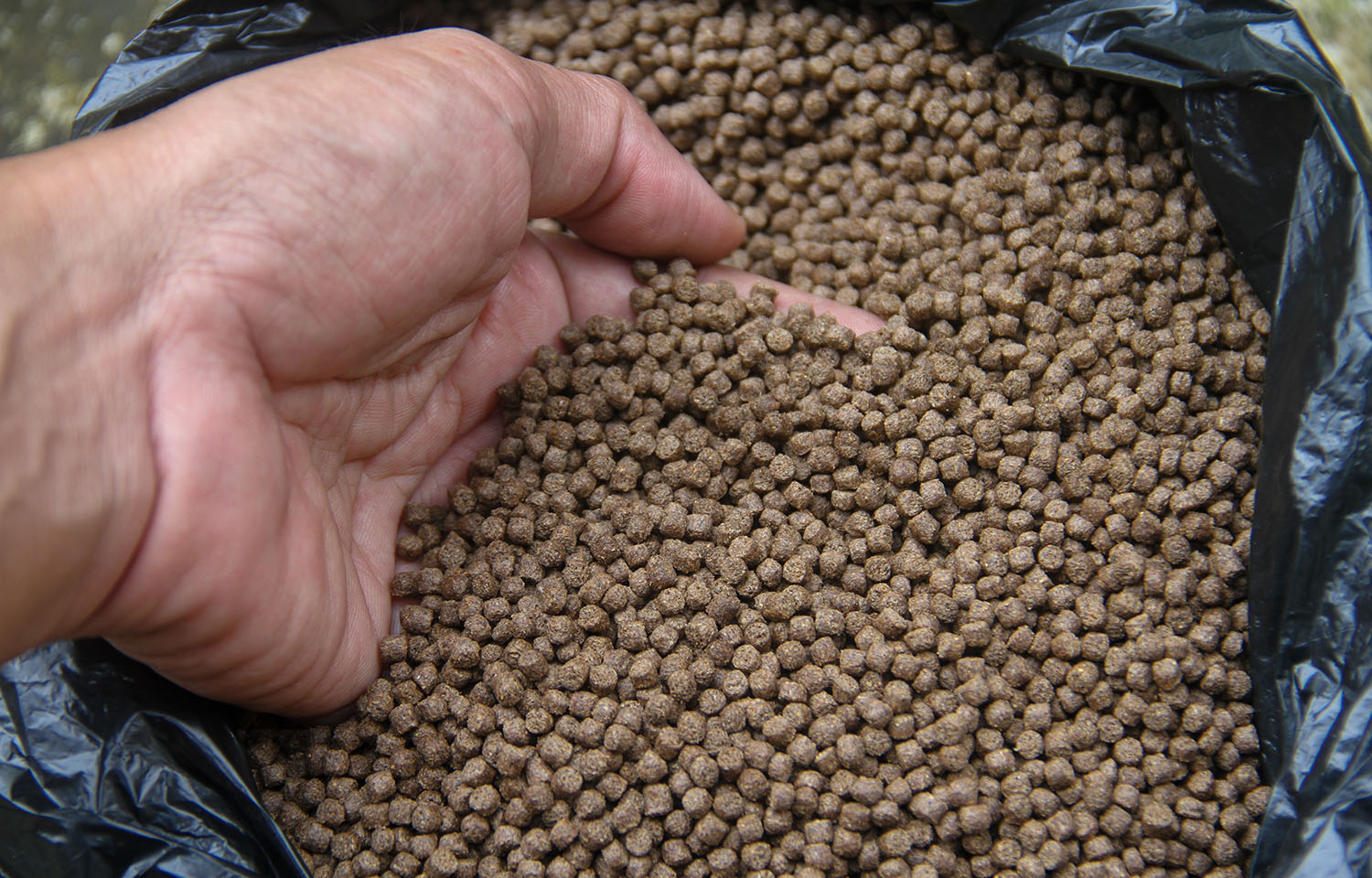
“According to data from the China Feed Industry Association, aquafeed production reached 11.1 million metric tons in the first half of 2026, representing a 17.4 percent year-over-year increase and supporting an increase in domestic aquaculture production from approximately 29.9 million MT in the first half of 2025 to around 31.1 million MT during the same period in 2026,” IFFO said.
