





The Biodiversity Beyond National Jurisdiction (BBNJ) agreement – known widely as the High Seas Treaty – has officially crossed the vote threshold needed to enter into force.
The High Seas Treaty was adopted in June 2023 after a March 2023 deal aimed at protecting ocean biodiversity, including placing 30 percent of the world’s oceans into protected areas and providing funding for marine conservation. The treaty required 60 countries to ratify it to begin a 120-day countdown to it entering into force, and as of 19 September 2025, that countdown has started as Sierra Leone and Morocco joined the list of nations ratifying the treaty.
“For too long, the high seas have been a Wild West – lacking comprehensive oversight. The ratification of the High Seas Treaty will help bring order. For the first time, we have the legal foundation to safeguard marine diversity in waters that belong to everyone and no one at the same time,” Oceana Chief Scientist Katie Matthews said in a release.
The ratification of the treaty is the culmination of more than two decades of UN-facilitated talks, which ultimately resulted in the March 2023 deal to begin the treaty. The process was slow at first; over one year after the deal was struck, only seven countries had ratified it. However, more recently, the United Nations Ocean Conference held in June helped to develop momentum toward ratifying the deal.
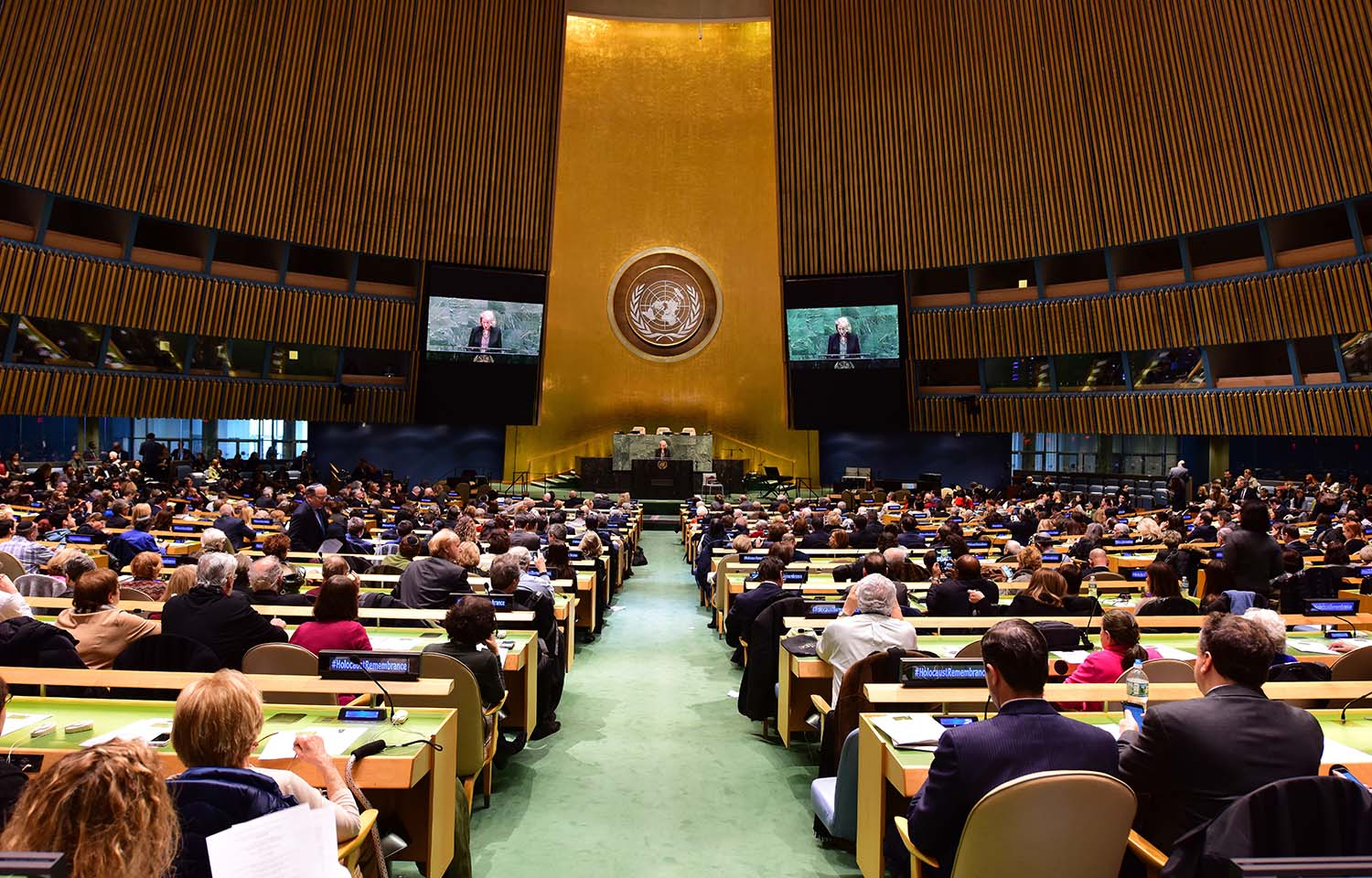
During the conference, 19 countries ratified the treaty, leaving it just 10 away from entering into force. For the remainder of 2025, ratifications continued to trickle in, and according to The Pew Charitable Trusts at the 80th United Nations General Assembly, a number of world leaders – inspired by the ratifications during the ocean conference – agreed to join the treaty.
The news was met with widespread praise from environmental NGOs, which called it a landmark agreement in safeguarding the ocean.
“The treaty continues to serve as a beacon of hope and demonstrates the power of multilateralism,” The Pew Charitable Trusts Senior Officer Nichola Clark said in a release. “The speed at which it went from treaty adoption to entering into force is remarkable for an agreement of its scope and impact.”
The High Seas Treaty covers the areas of the ocean outside national jurisdiction (i.e., beyond the exclusive economic zones of countries with ocean frontage). The agreement will officially enter into force on 17 January 2026.
Ratifying the deal entails pursuing actions aimed at achieving multiple goals for the parties involved, including establishing a network of high seas marine protected areas (MPAs) and an assessment of environmental impacts to ensure any new or unregulated activity on the high seas minimizes damage to ecosystems and marine life.
It also involves nations that ratified the treaty sharing information and technology with one another, which will help developing countries access more information, training, and funding so that they can take advantage of ocean resources while better protecting them. The sharing of information extends to sharing the benefits – both monetary and non-monetary – of marine genetic resources.
The Deep Sea Conservation Coalition (DSCC), which has advocated against practices like deep-sea mining, said ratifying the treaty provides more tools for protecting the ocean.
“The DSCC welcomes this historic achievement and congratulates all those who have fought tirelessly to deliver this groundbreaking victory,” DSCC Executive Director Sian Owen said. “Now, governments must turn ambition into urgent action to protect our ocean from top to bottom, including its fragile, life-supporting deep sea.”
When the treaty enters force, it will still only apply to the 60 countries that have ratified it so far.
Matthews said that the agreement is only as meaningful as the action that’s taken by the member countries to follow through on the protections it promises.
“What matters now is turning paper into protection. Nations must move quickly from ratification to real-world implementation,” Matthews said.
Matthews added the countries that have signed the original agreement but haven’t followed through on ratifying it “need to step up” to ensure the mission of the High Seas Treaty is accomplished.
“Chile has shown leadership in this space, being one of the first nations to ratify the treaty, and has plans to submit a proposal for the first high seas MPA under the treaty,” Matthews said. “The health of our oceans and the billions of people who rely on them for food, livelihoods, and climate stability depend on what comes next.”
