




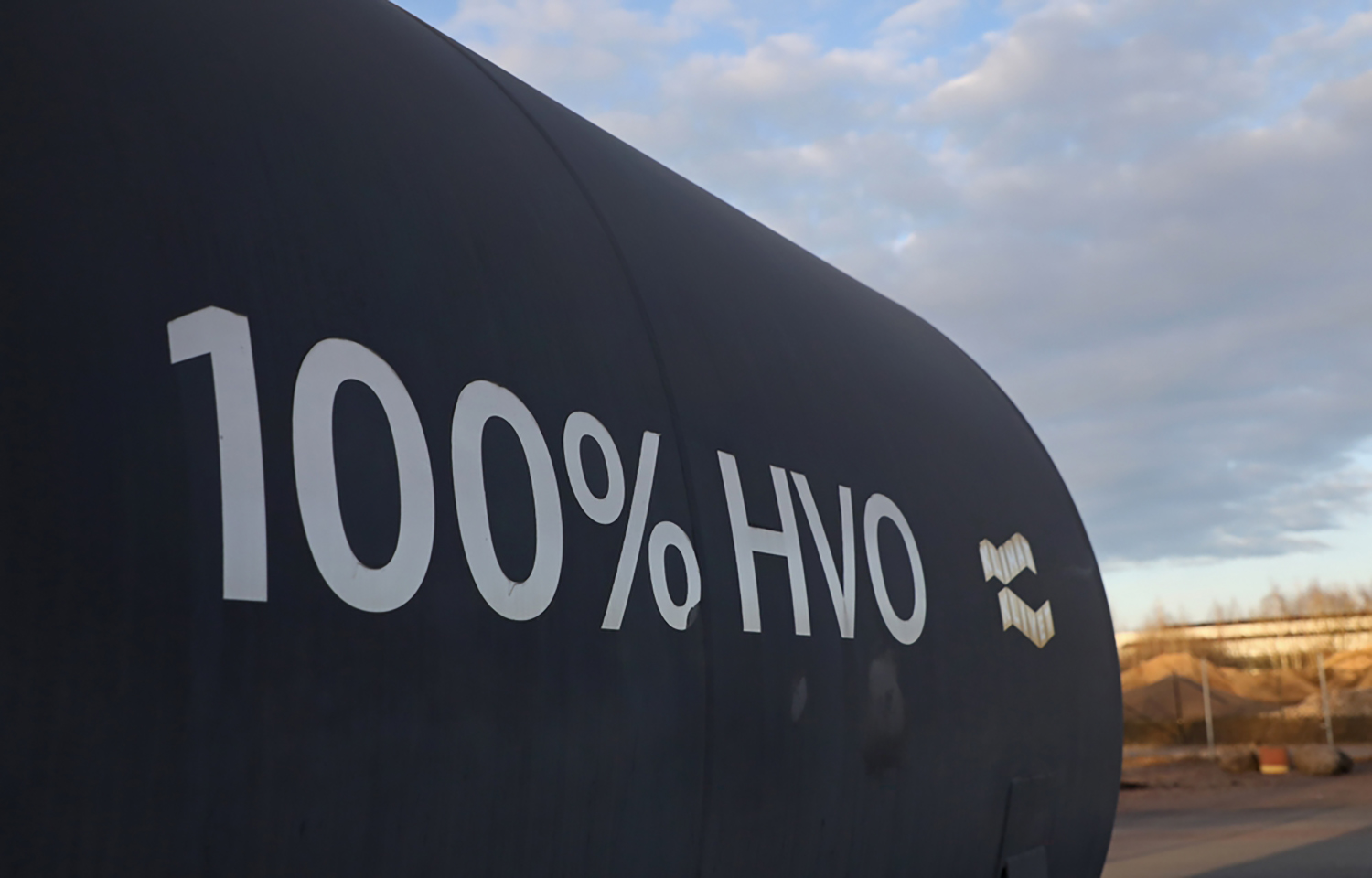
A research trial in Ireland recently found that hydrotreated vegetable oil (HVO) used as a fuel source in fishing vessels results in decreased emissions compared to diesel fuel, presenting the sector with a viable alternative.
Research conducted by Irish fisheries agency Bord Iascaigh Mhara (BIM) showed that the life cycle emissions of HVO fuel resulted in a 12 percent reduction of emissions compared to diesel. When analyzing “well-to tank” emissions, or all of the greenhouse gases accumulated in the fuel’s lifecycle before it reaches a vehicle such as a vessel, there was an 80 percent decline compared to diesel.
The trial used HVO in vessels at a Mowi salmon farm in Ireland’s County Cork, finding that even when added to a blend, the alternative fuel source makes a difference. For instance, at 70 percent diesel to 30 percent HVO fuel, there was a 6 percent decline across the full fuel life cycle and a 21 percent reduction in well-to-tank emissions.
“This was the first use of HVO in a commercial marine setting that BIM is aware of,” BIM Aquaculture Technical Officer Ronan Cooney said.
Though the trial showed promising results from an environmental perspective, the higher cost of HVO relative to diesel, even with the price of the latter fuel source skyrocketing over the past few months, could slow its full adoption across the Irish aquaculture and fishery sectors, according to Cooney.
“The fleet could theoretically switch over, but the cost of HVO precludes its wider uptake,” he said. “This is the reason that the BIM study focused on the 70:30 blend, balancing emissions reduction with operational costs.”
How HVO is taxed, including whether it benefits from the rebate currently extended for diesel use, is another issue to be resolved before wider adoption in the seafood sector can be assured.
“During the trial, it was found that there are uncertainties in relation to the status of the Mineral Oil Tax rebate that operators have been able to avail of,” Cooney said. “However, these are preliminary findings from the trial, and BIM is seeking guidance and clarity on this issue via the competent authorities so that it can be better placed to provide the most accurate and current information to industry.”
BIM’s research aligns with environmental goals the Irish government has outlined, including a compulsory target – the Renewable Transport Fuel Obligation (RTFO), which is overseen by the nation’s Department of Transport – that requires the gradual increased inclusion of renewable or sustainable inputs, such as HVO, in all fuels sold in the country.
“The supply of HVO is increasing year over year under the RTFO,” Cooney said. “It is expected that HVO will work as a near-term bridging fuel within a broader, multi-pathway decarbonization strategy. It should complement and not replace longer-term investment in electrification and alternative propulsion technologies.”
Simultaneously, similar trials are being carried out in Ireland, such as a trial on shoreside generators for a large pelagic vessel that is due to start shortly at the country’s leading fishing port of Killybegs. That project is funded by SmartDEC, an E.U. initiative aimed at decarbonizing the Atlantic maritime sector.
