






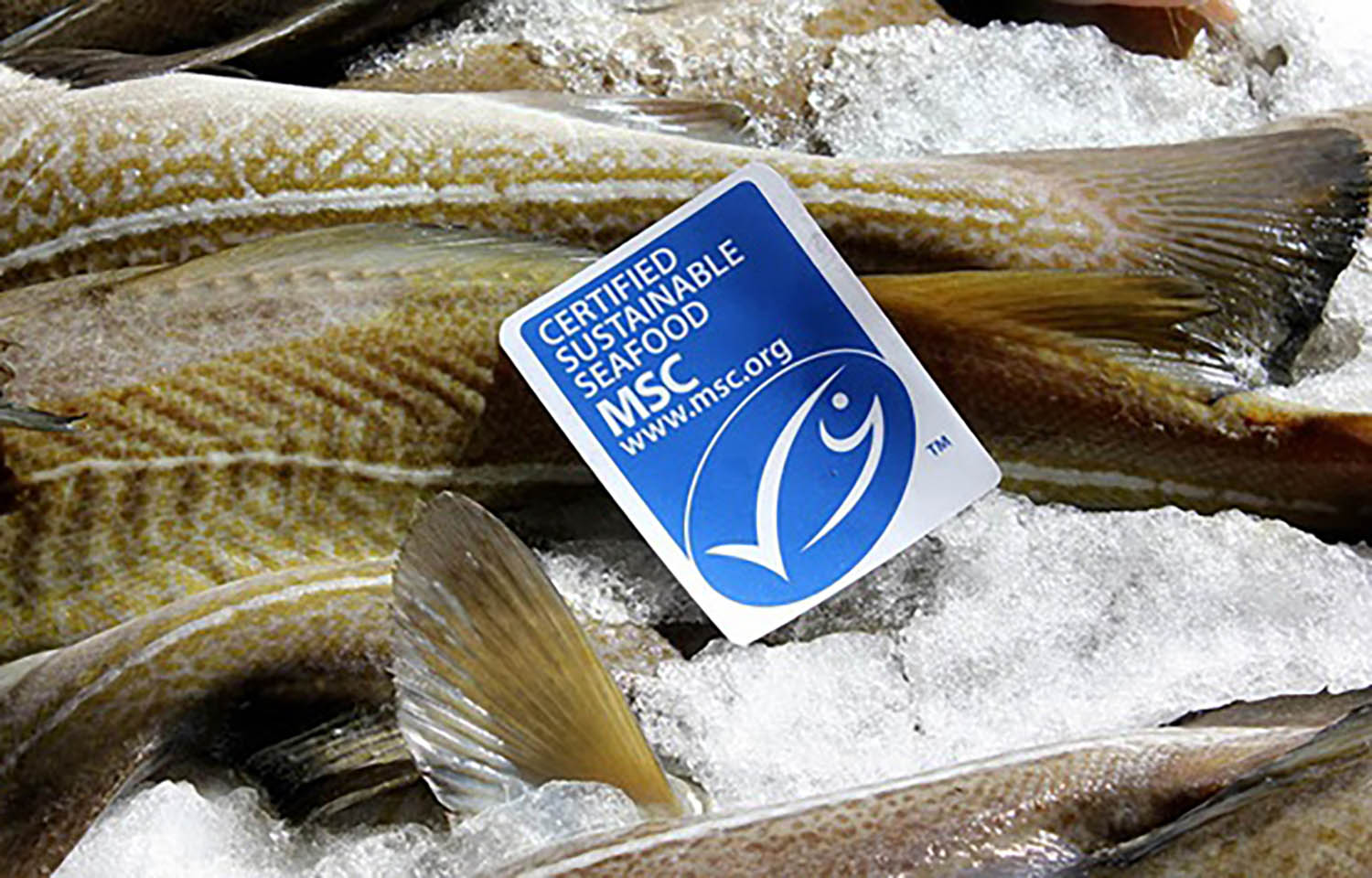
The Marine Stewardship Council (MSC) has rejected calls by campaigners for more emphasis on labor standards in its certification process.
MSC spokesperson Sarah Grainger said there is no social claim associated with the MSC eco-label.
“Consumers understand this,” Grainger told SeafoodSource.
A global survey of more than 20,000 people, carried out in 2024 by the research organization GlobeScan on behalf of MSC, found that 99 percent of consumers “do not associate the MSC eco-label with working conditions and social responsibility,” Grainger said.
Valery Alzaga, the deputy director of Global Labor Justice which campaigns against labor abuse in fishing fleets, said consumers purchasing MSC-labeled seafood “reasonably expect that the product is free from human and labor rights abuses.”
“There are MSC-certified fisheries where the fishers are subjected to forced labor and unacceptable working conditions,” Alzaga told SeafoodSource. “It is absurd to imagine that consumers would actively seek out environmentally sustainable seafood but be unconcerned if it is produced using forced labor.”
The MSC label is misleading, according to Alzaga, because it claims to prevent illegal, unreported, and unregulated (IUU) fishing, “which is increasingly recognized as encompassing illegal labor practices such as forced labor.”
“MSC may contribute to the problem by allowing companies to sell products under the assumption of ethical sourcing when, in reality, they are produced with forced labor and other poor labor conditions,” Alzaga said.
MSC only requires companies to submit self-declarations, “allowing some of the largest seafood brands to ignore forced labor in their supply chains and avoid being accountable to fishers and their unions,” Alzaga said.
Grainger said MSC is an environmental not-for-profit whose mission is to end overfishing, a mission difficult enough because “the environmental challenges facing the ocean are enormous.”
“We recognize the global concern at egregious labor practices in fisheries and support the efforts of other organizations engaging with workers to seek practical solutions to tackle forced and child labor in seafood supply chains,” she said. "We believe the greatest impact that MSC can make is to continue to focus on this global challenge through our environmental standard setting and eco-labeling program.”
