



A group of labor activist organizations have sent an open letter to the Marine Stewardship Council (MSC) pushing the seafood certifier to do more to combat forced labor incidents.
The letter was sent by the Seafood Working Group (SWG), a coalition of labor rights groups comprising Global Labor Justice, International Transport Workers’ Federation, Humanity United, Freedom Fund, and Greenpeace US. The letter said the MSC needs to do more to combat “rampant labor abuse” in the seafood industry, and criticized the MSC’s stance on the ecolabel not offering assurances that there is no forced or child labor within its fisheries.
“In our view, MSC must take responsibility for the role of its social policies and processes in enabling abuse of workers in certified fisheries, and its attendant role in instances of certifying fish produced under conditions of labor exploitation,” the open letter states.
Forced labor issues have been garnering increased attention in recent years, in part kicked off by a sweeping Outlaw Ocean Project report identifying alleged forced labor in the U.S. seafood supply chain. Since that report in October 2023, focus has expanded to a number of different seafood sectors and countries – with a recently released CNN report continuing the trend.
In light of the increased attention, and reports of forced labor in MSC-certified fisheries, the SWG said it should take responsibility for its social policies.
“Rather than accepting its role in certifying fish produced under exploitative labor conditions, the MSC is distancing itself from responsibility,” the SWG said.
An MSC spokesperson told SeafoodSource that it does take reports of forced labor seriously, and recognizes that it is a challenge for the seafood industry.
“As this letter highlights, widespread labor issues in the seafood industry are a significant challenge for the sector. We support efforts to address them and have requirements aimed at doing this,” the spokesperson said. “Fisheries engaged in the MSC program must describe measures in place to prevent forced labor, and any fishery convicted of this, on vessels or in their supply chains, are excluded from being part of the MSC program.”
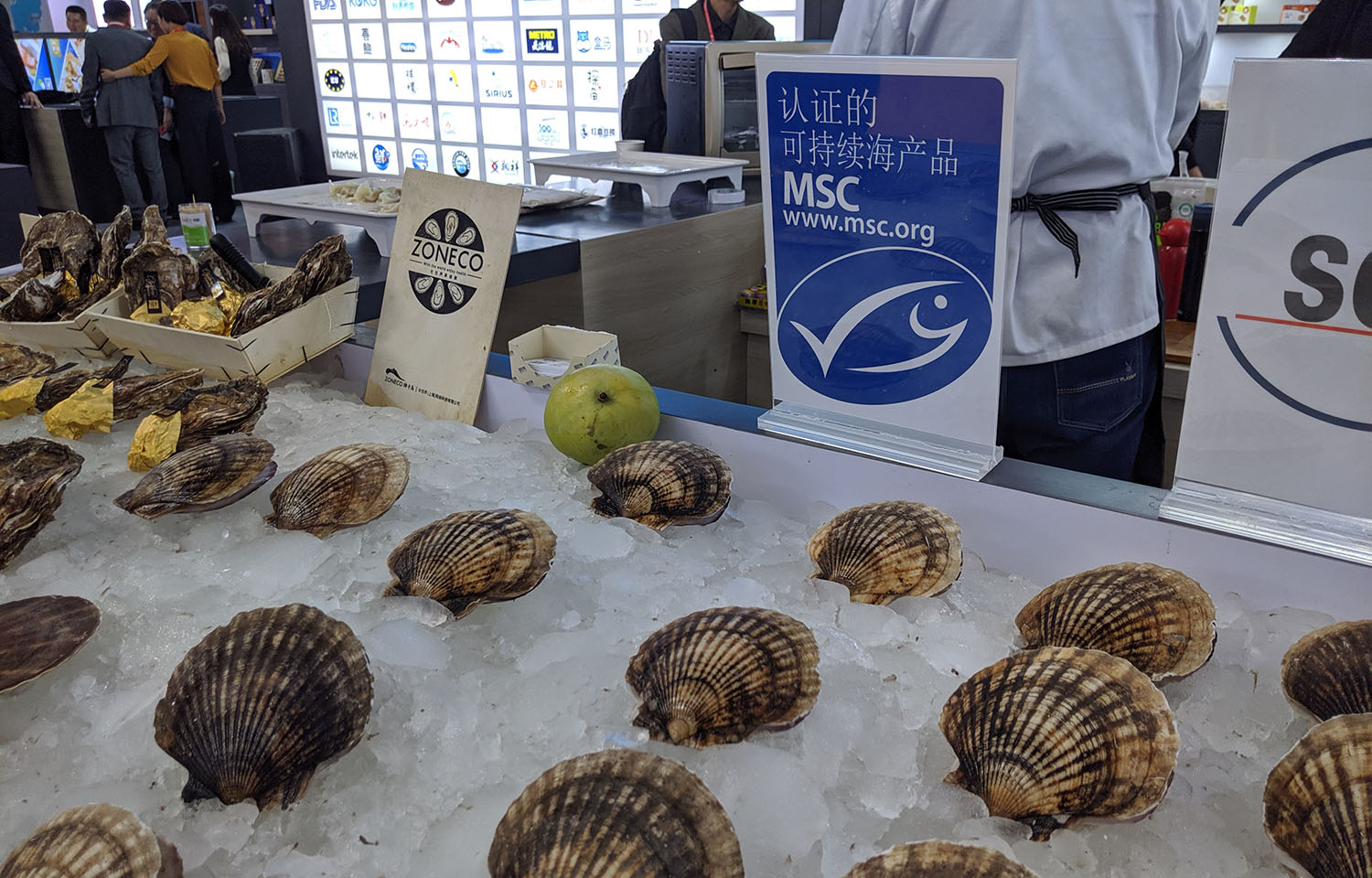
However, the spokesperson reiterated the stance that the MSC standard is an environmental one rooted in the science of fisheries management and not a certifier of labor standards – and customers understand that.
“A global survey of more than 20,000 people, carried out in 2024 by research organization, Globescan, found 99 percent of consumers do not associate the MSC ecolabel with working conditions and social responsibility,” the spokesperson said. “We recognize this is a rapidly changing space, and we are currently reviewing our requirements to see if they can be adapted to support businesses to meet their obligations for emerging due diligence legislation. We intend to continue working in partnership with experts on this issue to help the seafood sector make progress.”
According to the SWG letter, that stance is counter to some of MSC’s past statements, including its 2019 announcement of new requirements to address concerns over the use of forced and child labor in the seafood industry. The tuna handbook it released in 2022 also carried statements about reducing forced labor, according to the SWG.
The SWG offered a set of recommendations on how to improve its policies in relation to forced labor, and called on the MSC to step away from making labor-related claims.
“MSC must accept its responsibility for failing workers in MSC certified fisheries that have experienced forced labor or abusive working conditions,” the letter states. “MSC must clearly publicly state that its ecolabel does not ensure protections for labor rights, stop referencing its Labor Eligibility Requirements as a defense to public criticism, and make it transparent to all stakeholders, including consumers, that the certification fails to safeguard against forced labor and exploitation.”
The SWG added it should warn companies about relying on MSC certification for sourcing and procurement.
“MSC must inform companies that its certification does not account for labor and human rights abuses, and relying solely on the MSC ecolabel for sourcing decisions without considering labor issues exposes both workers and companies to risks,” SWG said.
