




A group of environmental NGOs have launched a new guide intended to help address bycatch of sensitive marine species in European Union fisheries.
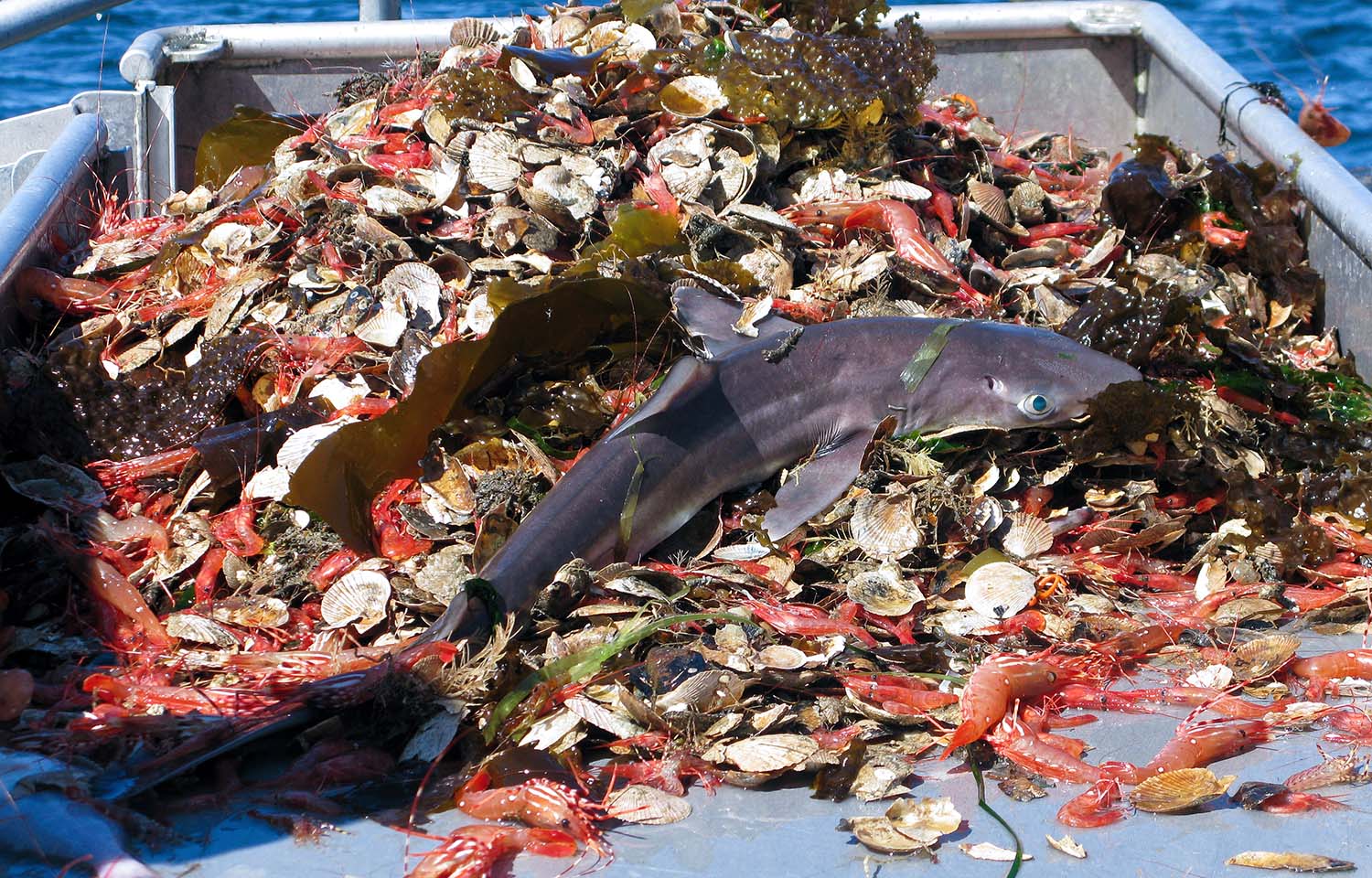
Seas At Risk, along with members BUND, Sciaena, and Ecologistas en Accion, published a new guide dubbed “Understanding and addressing bycatch of sensitive species in E.U. fisheries.” In a release, the NGO group said the goal is to help policymakers understand and tackle bycatch of sensitive species like seabirds, sharks, and cetaceans.
“The repeated capture of these species is steadily eroding marine biodiversity, a key factor that contributes to climate stability and thriving coastal communities,” the groups said in a release. “Some critically endangered populations remain severely affected, and the problem continues to worsen across all E.U. sea basins.”
E.U. fishing fleets have undertaken multiple initiatives to address bycatch, including a recent effort by marine technology firm AZTI to protect sharks and rays from bycatch. Bycatch of sensitive species like sharks was also a key part of a recent study of surimi, which found the presence of shark meat in products sold in U.S. grocery stores.
Seas at Risk said its guide is intended to be an overview of many different bycatch solutions, as “there is no silver bullet” that can solve the issue.
“A solution that works in one region may not be effective in another due to differences in target species, fishing gear, seasonal patterns, and local ecosystem dynamics,” Seas At Risk said.
The NGO also said a key takeaway of the guide is any mitigation strategy should do more than just keep any bycatch alive; it should take a holistic approach to help ecosystems recover, whether that constitutes spatial closures or gear types.
“Bycatch remains one of the most damaging and unnecessary threats to marine life, and addressing it must become a political priority if the E.U. is serious about restoring ocean health,” Seas At Risk Senior Policy Officer Bruno Nicostrate said. “A just transition to fair, low-bycatch and low-impact fisheries is urgently needed. E.U. Commissioner [Costas] Kadis should embed this goal across all forthcoming ocean-related initiatives.”
