





The Jet Propulsion Laboratory within the National Aeronautics and Space Administration (NASA) is mirroring the same successful sensor data system used at the International Space Station (ISS) for use in marine environments that hold an estimated 8 million tons or more of plastic a year.
In late 2025, NASA scientists were able to successfully detect concentrations of plastic pollution on land for the first time, using a technology called “Earth Surface Mineral Dust Source Investigation (EMIT)” sensors aboard the ISS. According to NASA, strong winds can blow mineral rock dust across continents, as dust trapped in the air can simultaneously heat or cool the Earth’s atmosphere. Mineral dust can also affect atmospheric chemistry, disrupting sunlight absorption and accelerating melting. It also affects human health and visibility.
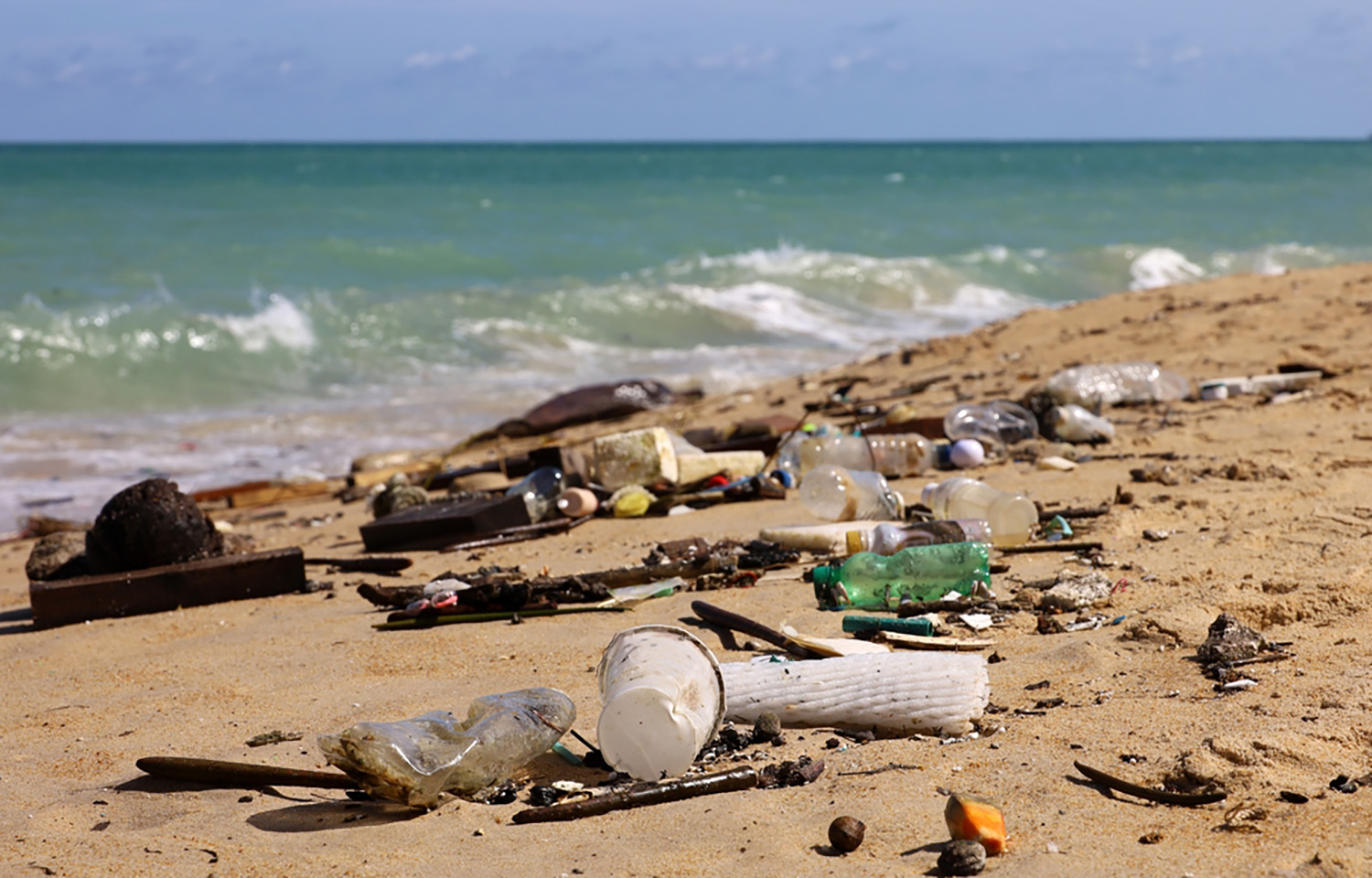
Once proven successful for identifying and cataloging mineral dust, scientists at NASA applied the same method to create a reference guide for oceanic debris. However, in order to correctly identify debris in the ocean through the system, scientists first had to catalogue the types of debris that are found in the ocean, like flotsam – wreckage of a ship or its cargo – jetsam – unwanted material or goods that were thrown overboard – and polymers – large molecules from items such as packaging, automotive parts, medical devices, and clothing.
“From its perch on the space station, it can identify hundreds of compounds on Earth via the unique spectral patterns they make in reflected sunlight,” NASA said in a release. “The technology behind EMIT, called imaging spectroscopy, was pioneered at NASA’s Jet Propulsion Laboratory in Southern California and is used on missions throughout the solar system.”
One of the lead scientists, NASA intern Ashley Ohall, built a newly published reference library with nearly 25,000 molecular “fingerprints,” according to NASA. Some of the items included with the flotsam and jetsam samples are rope, tires, metal, bubble wrap, buoys, and bottle caps. There are also 19 types of polymer.
The first area of focus is on coastline areas, addressing the already existing millions of tons of land pollution that ends up in the ocean. The challenge, though, is correctly identifying the plastic debris once it enters the ocean from land because seawater absorbs infrared light. That disrupts the plastic’s spectral features and poses a challenge to the existing EMIT technology. Ohall’s team worked to identify possible contaminants with handheld instruments and input them into the data collection lab to give detailed information about each item’s “spectra,” like material, color, and condition.
Ohall said this research is important given that debris can travel thousands of miles from the source, so a deeper understanding of spectra’s ability to interact with sunlight and seawater once washed into the ocean is important for successful identification.
“My biggest hope is that people see remote sensing as an important and useful tool for marine debris monitoring,” Ohall said. “Just because it hasn’t been done yet doesn’t mean it can’t be done.”
