






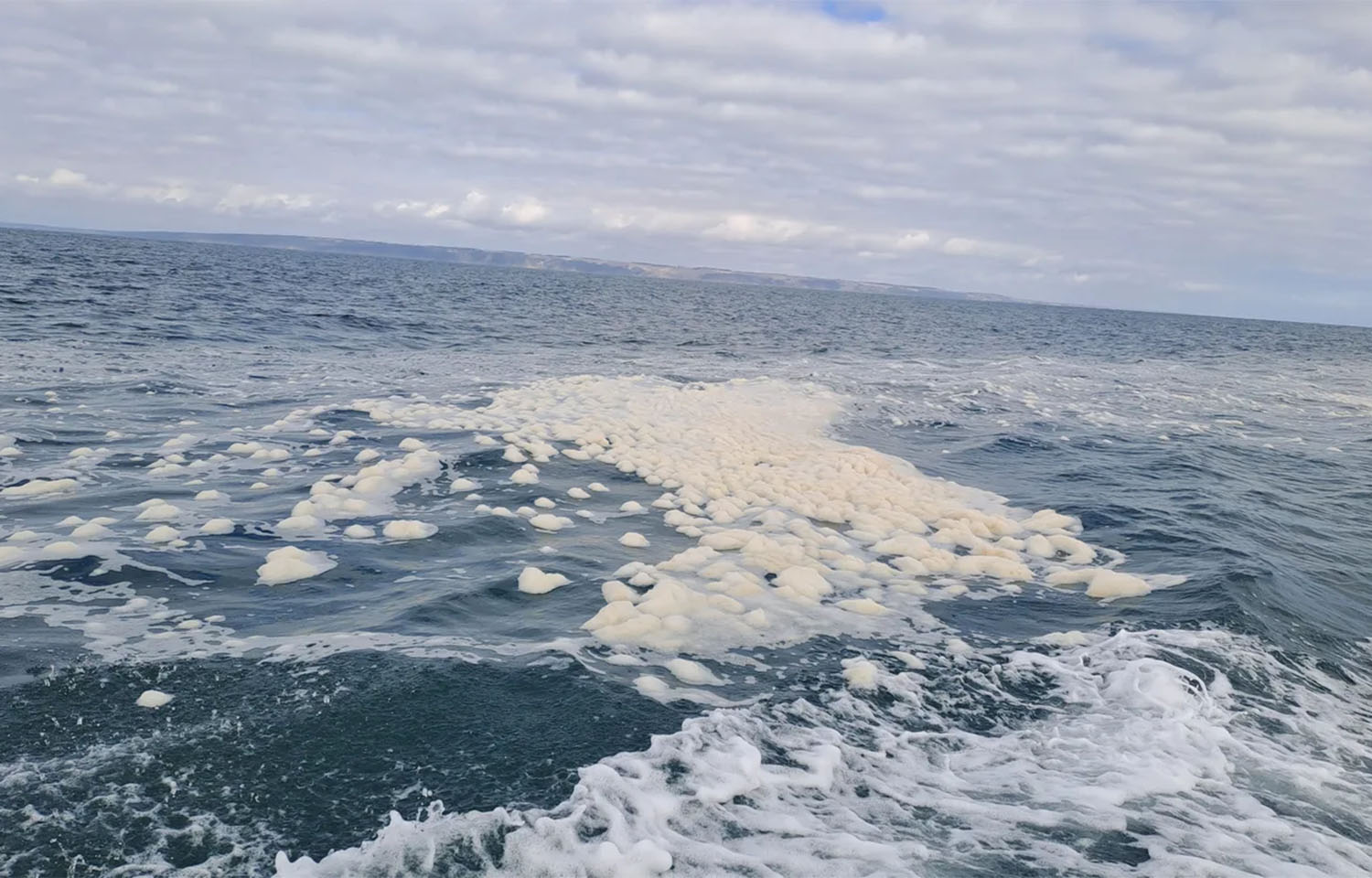
A series of massive algal blooms in South Australia have been killing wildlife and impacting livelihoods since March.
According to ABC News, the bloom first caught public attention on 15 March, when surfers reported feeling ill after visiting Waitpinga Beach. By 8 May, the South Australia government estimated the bloom had grown to 4,000 square kilometers in size, and by early July, the government said the bloom was unlikely to end soon.
The federal government has pledged AUD 14 million (USD 9.2 million, EUR 7.8 million) to assist the state, which the South Australia Premier Peter Malinauskas later matched. However, the federal government has so far stopped short of declaring the bloom a national disaster.
The South Australia Department of Environment and Water said key measures of the support package will be industry support, including AUD 10,000 (USD 6,601, EUR 5,606) grants for small businesses that qualify.
The bloom has had significant impacts on South Australia’s commercial fishing industry. While fish that are caught alive are safe to eat, fishermen have told local media that they have nothing left to catch after the bloom killed fish in the region.
South Australian Fisherman's Cooperative Manager Ian Mitchell told ABC News that the mood was grim for fishermen in the region, some of which haven’t caught fish for months.
"I'm speaking to fishermen on a daily basis, and I've got fishermen in tears on the phone," he said. "Some of our fishermen are third- or fourth-generation fishermen, and they don't know anything but fishing.”
The government of South Australia said the bloom is being caused by a Karenia algal species, which have reached massive concentrations due to warmer-than-average waters. It also attributed the bloom to the 2022-23 River Murray flood, which washed extra nutrients into the sea.
“Karenia mikimotoi does not cause long-term harmful effects in humans but has affected various marine wildlife, including fish, sharks, rays, and a wide range of invertebrates,” the South Australian government said.
As the algal bloom ravages South Australia, NGO Environment Tasmania is pushing the recently elected Tasmanian Government to enact new regulations to avoid a similar issue.
Tasmania held state elections on 19 July for its House of Assembly, and counts on that election are ongoing. Regardless of who wins, Environment Tasmania said the state needs to enact strong protections and develop a marine plan to promote the health and resilience of its oceans.
“We need a Marine Plan for Tasmania – an integrated, whole-of-state approach to managing our marine environment,” Environment Tasmania Marine Campaigner Rebecca Howarth said. “Tasmania is the only coastal state or territory in Australia without one. That needs to change.”
As South Australia grapples with the bloom, Environment Tasmania said the time is right to enact protections in the state to avoid a similar fate.
“Our oceans are central to who we are as Tasmanians. From fishing and diving to tourism and culture, we all rely on a healthy marine environment. Without adequate protection, we risk losing the very things we love – and depend on,” Howarth said.
