






The Norwegian Seafood Council (NSC) has made it a recent focus to ensure that as many parts of fish caught and farmed in Norway are put to good use as possible, rather than wasted, according to Communications Director Martin Skaug.
For the NSC, minimizing seafood industry waste means taking a “nose-to-tail” approach toward utilizing all edible parts of fish, and according to its “Top Seafood Consumer Trends 2025” report, released earlier this year, there’s unprecedented potential to tap into this space.
Skaug also told SeafoodSource that all of the international markets where NSC has a presence are showing “positive signs” in terms of expanding their zero-waste seafood practices.
With all of this momentum, the council is pushing zero-waste messaging in several ways.
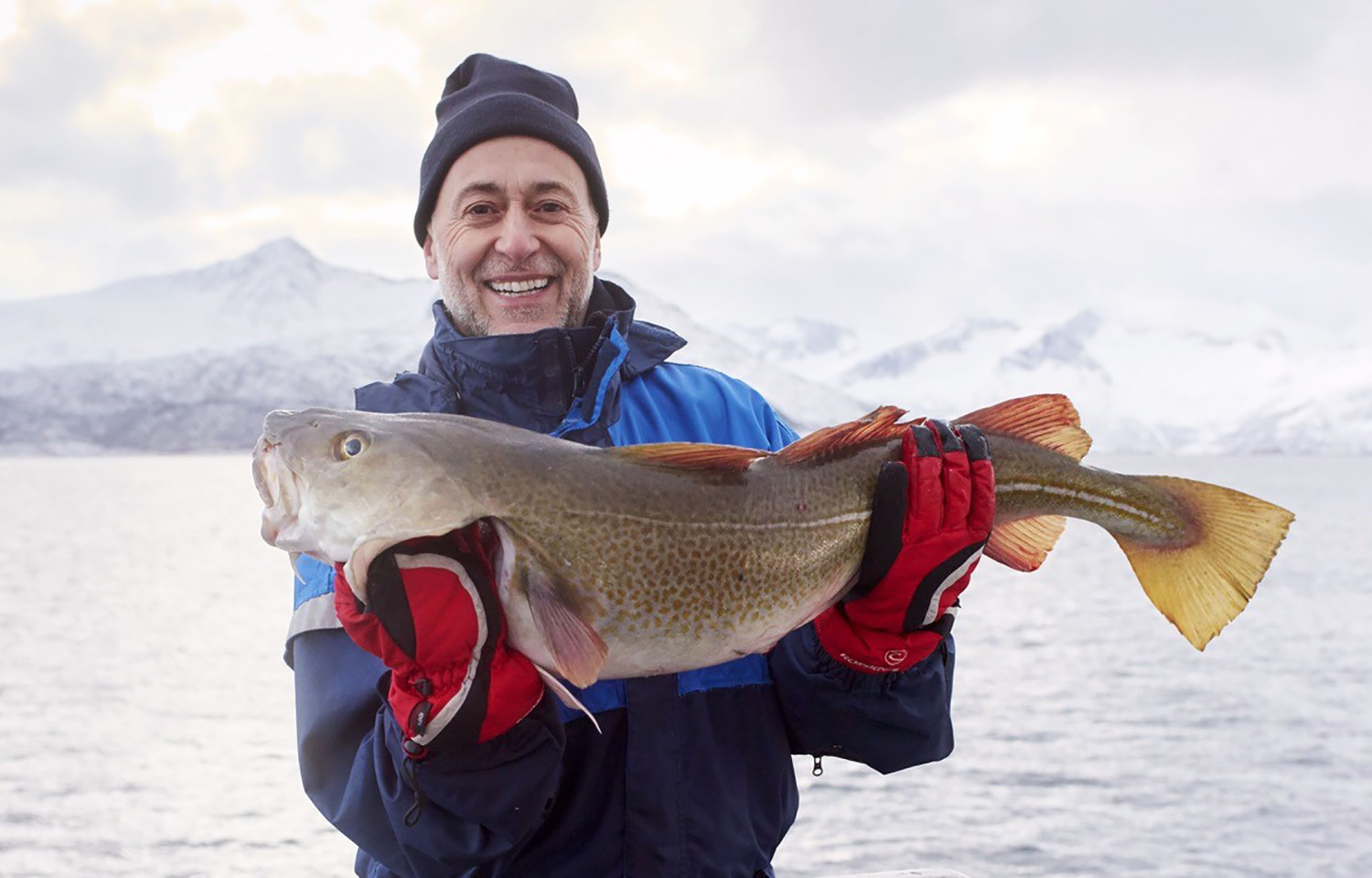
Ahead of Stop Food Waste Day on 30 April, U.K. chef and NSC “Seafood from Norway” ambassador Michel Roux shared his zero-waste aspirations, saying he would like to see underutilized parts of fish appearing on more menus.
“I’m a firm believer that if you take the life of an animal, you should use all of it – and that should be the same for fish. We know there should be zero waste where possible,” he said, adding that younger generations are more attuned to sustainability issues and, therefore, might be more amenable to such an initiative.
Elsewhere, in the U.S., the NSC is collaborating with chefs through various foodservice programs, such as the Sea-to-Table Restaurant Week and the World Class Restaurant Collection. These initiatives bring together top-tier restaurants to showcase a Seafood from Norway product through limited-time menu offering (LTOs), and the NSC encourages them to be creative and innovative in their menu promotions and utilize all the parts of the fish that work best for their dishes.
Through the initiatives, restaurants gain a deeper understanding of diverse products and their potential in menu applications, Skaug said.
“We will be bringing back Sea-to-Table Restaurant Week this year and expanding into new markets, reinforcing our commitment to supporting restaurants and fostering a deeper understanding of our products,” he said.
Similar initiatives are underway in Asia, too.
“In South Korea and Japan, we work with a few selected chefs, and with them, we communicate the characteristics of our species and origin,” Skaug said. “The nose-to-tail approach is led by chefs in their way of searching for financially viable products. We encourage our partners to think holistically about the products and reduce the environmental footprint of bringing seafood from Norway to the Asian markets.”
In markets like Africa, underutilized parts of fish are a staple, so demand is already there for such products.
“Each year, between 5,000 and 10,000 [metric] tons of cod heads are exported to Nigeria,” Skaug said, adding that the NSC is working to ensure optimal market access for these products and promote them within a B2B framework in such markets.
However, in markets like the U.K., where underutilized parts of fish are not as commonly eaten, the NSC is not only collaborating with chefs but also other hospitality stakeholders to advocate for a nose-to-tail ethos in their sector, emphasizing the importance of using the entire fish through educational programs, Skaug said.
“We were proud to support the Young National Chef of the Year competition in previous years. During these events, training and mentoring days emphasized the importance of utilizing every part of the fish,” he said. “Chef demonstration masterclasses inspired participants to adopt a nose-to-tail approach to seafood preparation. Additionally, we have a long-term partnership with Westminster Kingsway College, a leading culinary institution in the U.K. This collaboration aims to inspire the next generation of chefs to embrace sustainable cooking methods and full utilization of fish and seafood.”
The NSC is also supporting U.K. fish and chip operators in the adoption of these strategies, with their efforts recognized through initiatives like the Environment and Sustainable Business Award at the National Fish & Chip Awards.
It’s not just whitefish that are the focus of nose-to-tail utilization.
When it comes to farmed salmon – comprising some 1.5 million MT of production – Norway is close to utilizing nearly 100 percent of the fish across the board, Skaug said, pointing to such examples as Lerøy Seafood, which recently found good use for salmon blood through its SalmoFer initiative, which saw the copmany invest in Salmonics – a company producing reagents out of salmon blood.
To date, the NSC’s wide-ranging efforts include presentations to managers, in-person training at partnering restaurants, and the production of educational product videos that showcase various species and uses, such as information highlighting the health benefits of eating salmon skin, for example.
“This year, we are also planning to develop educational video content to enhance our training efforts. Additionally, the NSC will be hosting an educational seminar with a seafood scholar focused on reducing food waste when cooking seafood,” Skaug said.
Strengthening this engagement, it has also developed a "Seafood from Norway Scholars" program. This initiative is targeted toward talented chefs and trade professionals who are given the opportunity to visit Norway and receive extensive education about its seafood industry and sustainability practices.
“This immersive experience allows them to gain a comprehensive understanding of sustainable seafood sourcing and practices,” Skaug said. “After completing their trip, scholars receive a certificate enabling them to leverage their newfound knowledge to mentor and educate their junior staff back in their culinary environments.”
Skaug stressed that the Seafood from Norway Scholars program focuses on professional development and education rather than serving as a brand ambassadorship.
