





The Sustainable Fisheries Partnership has welcomed a new international report highlighting the issue of Mexican shrimp laundering, although the organization – which has been working on the issue since 2018 – notes that there is much work to be done to tackle the ongoing problem.
“I was very hopeful that when the report came out it would really push things forward, but you know, it made the news the first couple of days and then it all died down,” SFP Director of Supply Chain Roundtables Megan Westmeyer told SeafoodSource. “This sort of thing needs continuous pressure from buyers who are using this product.”
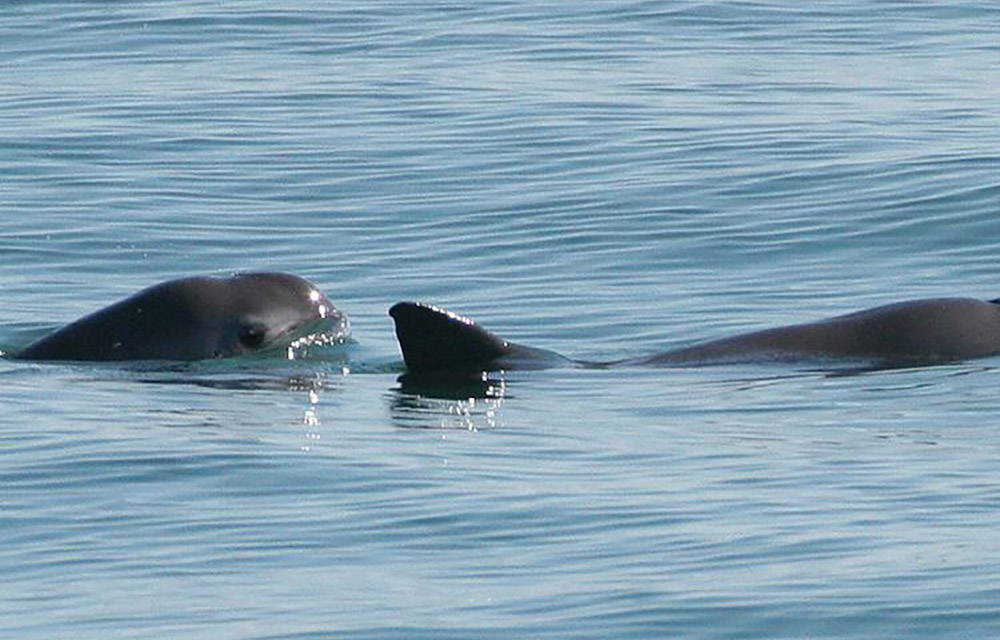
In August, the Commission for Environmental Cooperation (CEC), a body established under the US-Mexico-Canada trade agreement to investigate environmental law enforcement, issued a factual record finding that the Mexican government was failing to protect endangered vaquita in the Upper Gulf of California from illegal, unregulated, and unreported (IUU) fishing. There are less than 10 vaquita left in the wild, yet they remain under threat from poachers fishing with gillnets in their habitat.
“Although the use of gillnets in the VRA (Vaquita Refuge Area) is banned under the 2020 Gillnets Order, experts and fishermen interviewed by the Secretariat indicate that fishing activities continue at similar levels and with the same modalities as before the restrictions,” the report states.
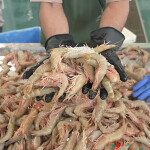
While much of the blame for the vaquita’s declining numbers has been placed on the use of gillnets for illegal totoaba fishing, groups like SFP have also pointed to nets used in illegal shrimping. The illegally harvested shrimp can then be laundered through processors in Mexico, where poor documentation can help bad actors hide ill-gotten shrimp among legally-caught products.
Westmeyer said she was thrilled to see the report bring the issue of shrimp laundering into view, even though she was not surprised by anything in it.
SFP has been working on improving sustainability in the Mexican shrimp sector since 2007, so when the issue of laundering became more prominent, the group’s contacts on the ground were able to keep them aware of what was happening. SFP was then able to inform its regional partners about the issue and come up with a game plan to address the problem in 2018.
“Even though it was not widely known, because we had the connections on the ground in Mexico, we were aware and were able to make [our partners] aware,” Westmeyer said. “So we worked real quietly behind the scenes with them to develop an audit system that would help them identify that laundered shrimp in their supply chain.”
The system was piloted successfully, Westmeyer said, but it did not pick up traction in the industry, and companies stopped auditing after the first year.
After the embargo went into effect in 2020, SFP decided to make another effort. Realizing that industry was “not going to do it without us,” SFP decided to become more engaged instead of relying on industry to take up the auditing system of its own accord. In 2021, SFP launched the first Mexican Shrimp Supply Chain Roundtable, requiring any companies that worked with them to conduct audits.
“They were going to have to do it on everything they imported. For the first year or two, it was 100 percent audits, so it was really intense. Very costly. Every single shipment they brought in to the country had to be audited, all the way from the boat and their landings report through the processing report and to the import paperwork,” Westmeyer said, noting that cost to companies to conduct the audits was “intense.”
For companies that demonstrated a good chain of custody management system, SFP has since lowered that requirement to 50 percent spot audits to provide relief from the prohibitive costs and to incentivize better documentation.
“They’re still really scrutinizing their supply chains, and these audits are extremely detailed,” Westmeyer said.
By comparing landings and fishing effort data to long-term averages, SFP can flag instances of a co-op that is reporting unusually high harvests.
“Especially in the last couple of years when harvests have been really poor across the board, it’s very strange to see a co-op landing a lot more shrimp than everyone around them,” Westmeyer said. “That can be indicative of reporting shrimp caught by other cooperatives that do not have a permit, or it could be shrimp from that Upper Gulf of California that is under the gillnet embargo. So we’ve been able to flag up those occasions when things like that pop up in the supply chain.”
The audits can also unveil when processors might be adding undocumented shrimp. If a processing report shows more shrimp mass than the landing report attached to it, that could be a red flag, Westmeyer said.
The goal is improvement, not perfection.
“The agreement we made with the SR participants is that they would strive for continuous improvement,” Westmeyer said.
SFP collects the audits from the participants for review, then Westmeyer highlights any issues she sees and provides feedback and recommendations to the companies. Companies are required to filed a corrective action report in response to any red flags that pop up in the audits.
“With that system, we’ve seen a continuous improvement in their audit results year after year,” Westmeyer said. “We see these companies cleaning up their supply chains and holding their supply chains accountable, and that’s exactly what we’re looking for.”
While SFP has hailed the improvements among participants, it has struggled to see wider adoption of the audit system in the Mexican shrimp sector.
“The problem is that not everyone is doing this. We only have four importers – they’re four of the larger ones – but we only have four importers working on this in the Supply Chain Roundtable. And that means there’s still a pathway for this illegal gillnet shrimp to come into U.S. markets,” Westmeyer said.
“The pressure needs to come from buyers,” she added. “Anyone who buys big blue shrimp from Mexico, so your U8s and your U10s, needs to worry and needs to ask their supplier to do audits that include mass balance evaluations, that include examinations of the landings report.”
