

New research has found declining runs of Yukon River Chinook salmon were caused by marine heatwaves, not commercial harvests or bycatch of salmon taken prior to spawning, according to NOAA Fisheries.
NOAA’s Alaska Fisheries Science Center conducted research into why salmon mortality rates continue to rise in the area and if climate was a contributing factor, according to a release by NOAA. Through that, the organization found that the increase in “natural mortality” aligns with a series of marine heatwaves, both acute and prolonged, in the Bering Sea, which they claim led to declines in prey species Chinook salmon rely on, like capelin.
Marine heatwaves can endure for any amount of time – from days to years – and affect both the surface waters and the bottom of the ocean. Marine heatwaves can also cause environmental issues, such as mass die-offs of fish, coral bleaching, harmful algal blooms, intensified hurricanes, and shifting migration patterns.
NOAA found that even though there have been fewer heatwaves in the Bering Sea since 2020, Chinook salmon levels are still affected by previous catastrophic heatwave events and have not returned to normal levels.
“Not surprisingly, we found evidence to suggest that impacts operating in the early life stages have likely contributed to declines in run sizes over the past two decades, which is consistent with previous research,” Lukas DeFilippo, a NOAA researcher and the study's lead author, said in a release.
Researchers determined where in the life cycle Chinook salmon were experiencing the most decline by examining four factors: survival numbers of juveniles that were produced per spawner that migrate from freshwater to the ocean, natural mortality between juvenile and adult stages, harvesting of adult Chinook salmon by fisheries, and bycatch of non-targeted marine fisheries. Researchers found that it was between the juvenile and adult stage that increased mortality occurred most, possibly during adult spawning migrations, further contributing to population loss.
“A model like this is a big step toward promoting research on the factors affecting salmon productivity across their life cycles, which was recommended by the recently convened Alaska Salmon Research Task Force,” study co-author Kathrine Howard said.
NOAA added that additional research into preventing high levels of natural mortality is necessary to understand the implications of marine heatwaves on rapidly declining Yukon River Chinook populations.
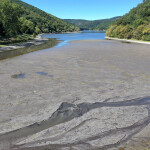
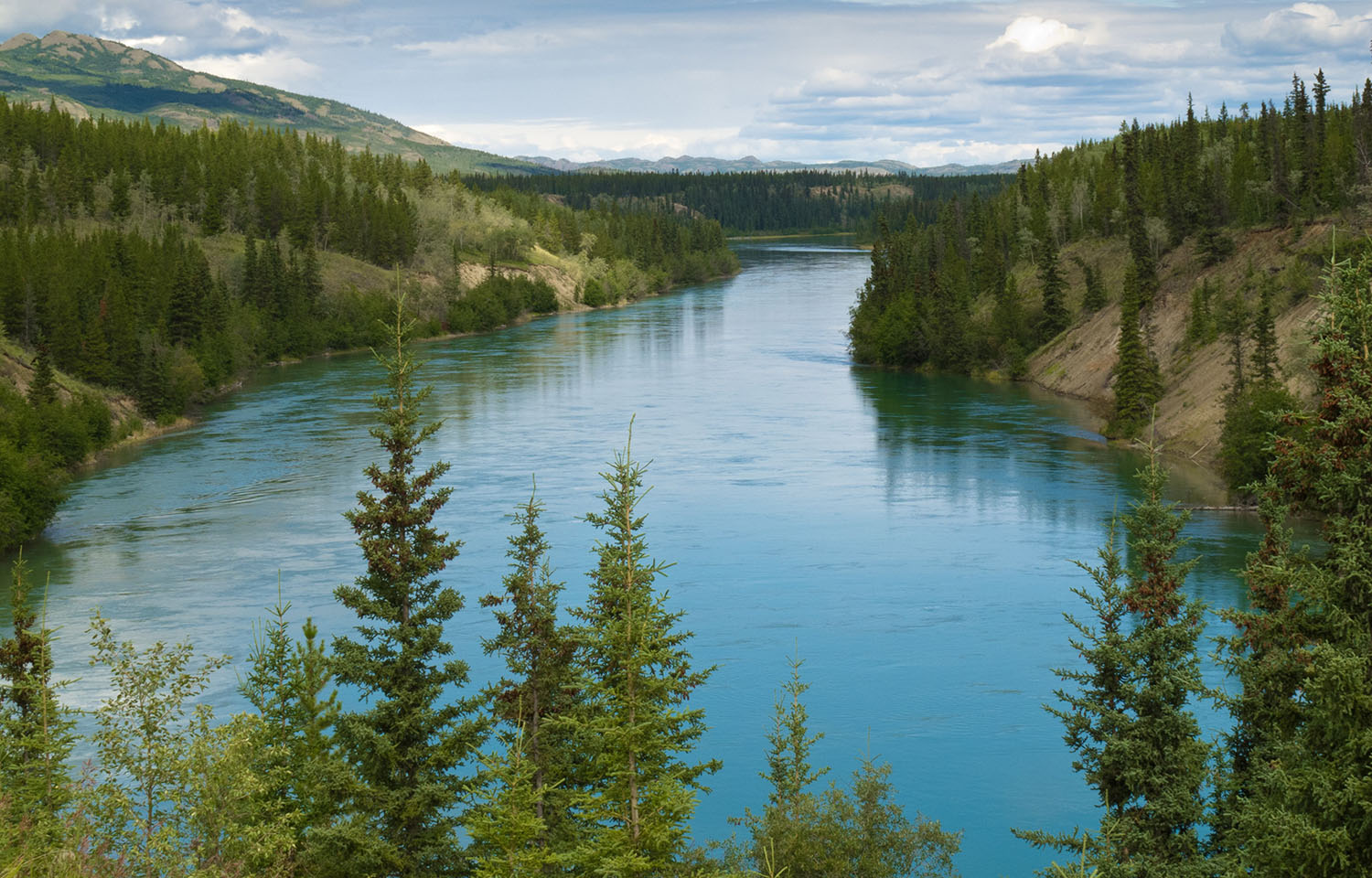
The Yukon River is the largest river system in Alaska and the fifth-largest river drainage in North America. The breadth of the river system proves challenging for research, NOAA said, because Chinook life cycles span from the interior of Alaska and Canada to the Bering Sea.
In 2024, the Alaska Department of Fish and Game (ADF&G) signed a seven-year agreement with the Department of Fisheries and Oceans Canada (DFO) to rebuild Chinook salmon stocks in the Yukon River drainage. That followed a partial closure of the river in 2020 and a complete closure in 2021 and 2022. In October 2023, the U.S. Department of Commerce declared a disaster for Alaska Yukon River salmon fisheries. In January 2024, the U.S. government issued USD 1.6 million (EUR 1.5 million) in aid to the Alaska Yukon River salmon fisheries as a part of USD 42 million (EUR 39 million) in financial relief rolled out nationally.
