






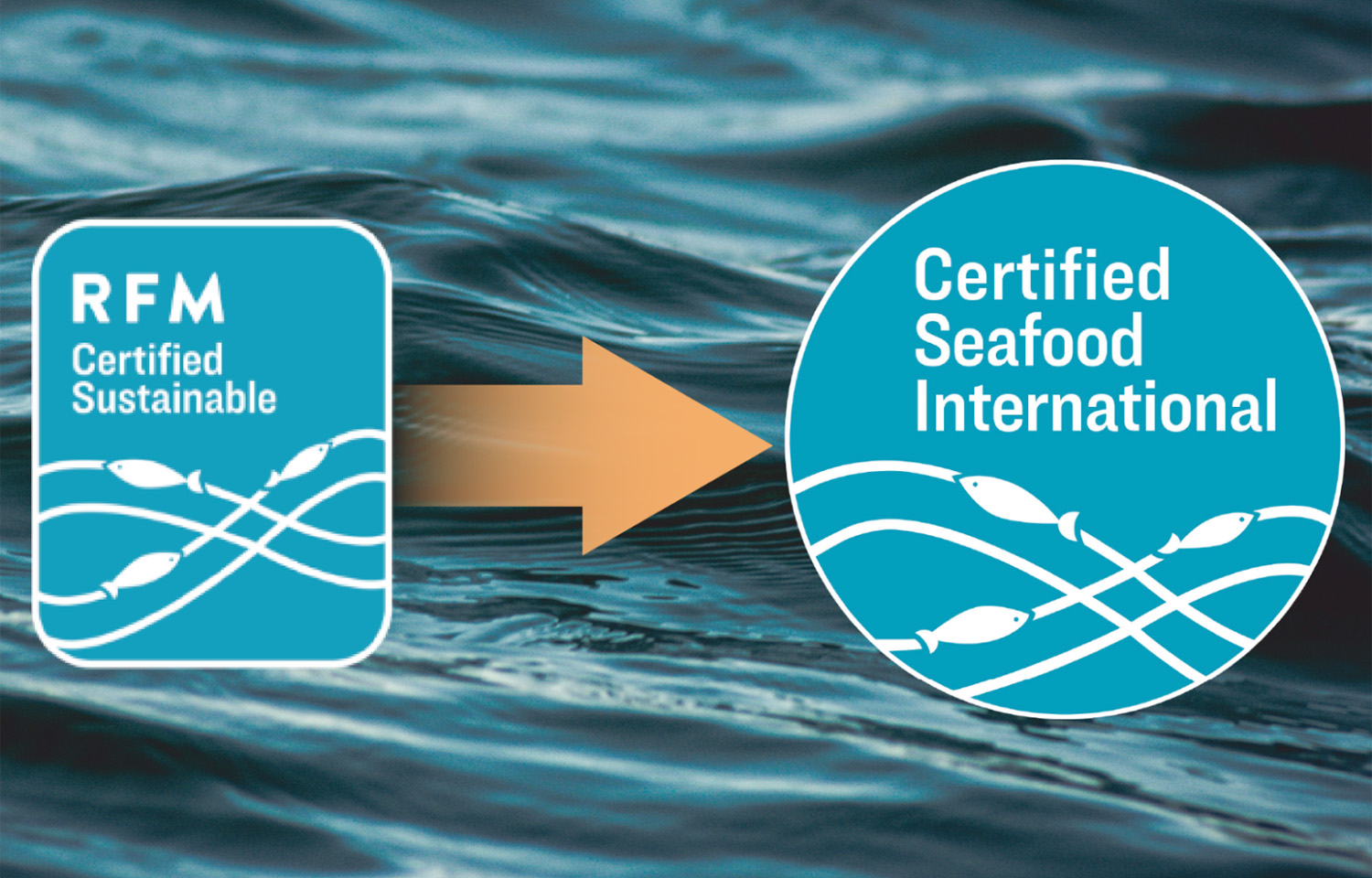
The Responsible Fisheries Management (RFM) seafood certification standard is being rolled into a new global standard dubbed Certified Seafood International (CSI).
The move marks the latest evolution of the RFM program, which was originally geared toward certifying Alaska’s fisheries as sustainable. Created in 2010, the program was transferred to the nonprofit Certified Seafood Collaborative in 2020 at the same time as it expanded its scope to cover fisheries across North America.
Since its rollout, the RFM standard has been catching on in other markets like Japan, and it will now be a fully international standard focusing on delivering affordable eco-certification for wild capture fisheries.
“All of us want wild capture fisheries to remain healthy and productive for generations to come,” CSI Board Chair and Clearwater Seafoods Vice President of Sustainability Christine Penney said in a release. “Credible third-party certification programs have an important role to play in recognizing responsible management practices and providing assurance to the market. We are pleased that CSI will expand the choices available to global seafood stakeholders.”
The organization said CSI is being developed in partnership with regional certification programs, and the existing RFM program is being rolled into CSI – which means there are already 3 million metric tons (MT) of fishing landings certified to the new standard. The RFM standard has already been recognized by the Global Sustainable Seafood Initiative (GSSI) – a pre-competitive, public-private partnership that benchmarks sustainability certifications and provides assurances they meet minimum standards.
CSI said it will be governed by a new board consisting of individuals from across the world, including from Canada, Japan, New Zealand, South Africa, Mexico, the U.K., and the U.S.
“The CSI program will assess fisheries against a clear and rigorous fisheries standard grounded in the Guidelines of the United Nations Food and Agriculture Organization (FAO),” CSI Executive Director Mike Kraft said. “We believe that a stable standard, focused on fisheries management and based on internationally recognized UN principles, provides clarity and consistency that is vital for fisheries striving to achieve certification.”
Board members include Sévrine Bethy, the head of responsible sourcing for Sodexo in North America; Tom Birdshall, chair of the Deepwater Council and associate director of Seafood New Zealand; Mark Fina, a policy analyst for Silver Bay Seafood and the executive director of the California Wetfish Producers Association; John Jankovich-Besan, a fishing industry consultant and former managing director of Irvin and Johson holdings; Akiyo Matono, the former president and CEO of Nissui; Matt Tinning, CEO of the At-Sea Processors Association; Libby Woodhatch, the executive chair of MarinTrust; and Pedro Zapata, an international expert in sustainable development with roles at the Environmental Defense Fund, Oceana, and the World Wildlife Fund.
Fisheries already certified to the CSI standard include multiple fisheries in Alaska such as cod, crab, pollock, halibut, and salmon, as well as Pacific whiting – the first fishery outside Alaska to enter RFM assessment in 2021.
