




NOAA’s National marine Fisheries Service (NMFS) and the U.S. Fish and Wildlife Service (FWS) have proposed a new rule that would loosen restrictions associated with the Endangered Species Act (ESA).
The proposed rule would rescind the regulatory definition of “harm” as it exists under the ESA. Currently, the definition considers habitat modification as a form of “take” for endangered species, which NFMS argues is counter to the reading of “take” under the ESA.
“This proposed rule aims to align the definition with the plain text of the ESA, as informed by historical and legal interpretations of ‘take’ as an affirmative act directly affecting wildlife,” a NMFS release states. “FWS and NMFS invite public comments on this proposal to ensure a transparent and open rulemaking process.”
NFMS also said that rescinding the definition would align closer with Loper Bright Enterprises v. Raimondo, a June 2024 Supreme Court decision which saw the overturn of the longstanding Chevron deference – a legal precedent that gave federal agencies wide latitude in interpreting congressional statutes.
“Here, FWS and NMFS propose that the statutory definition of ‘take’ – encompassing actions like harass, pursue, hunt, or kill – is sufficient without further elaboration of ‘harm’ by regulation,” NMFS said.
Conservation Law Foundation Senior Counsel Erica Fuller told SeafoodSource that the proposed rule is a "direct assault" on the purpose of the ESA.
"If we can’t protect habitat by prohibiting actions that harm them, then there will be species we can’t recover," she said. "The Trump administration is once again catering to industry to undermine this bedrock statute that the public widely supports."
The move also comes as the Trump administration has also pulled permits for projects citing the ESA.
"It’s ironic that this administration pulled an offshore wind permit claiming, in part, that the prior administration didn’t do an adequate environmental analysis under the ESA and MMPA, and at the same time undermines the very statutes they claim weren’t appropriately considered," Fuller said.
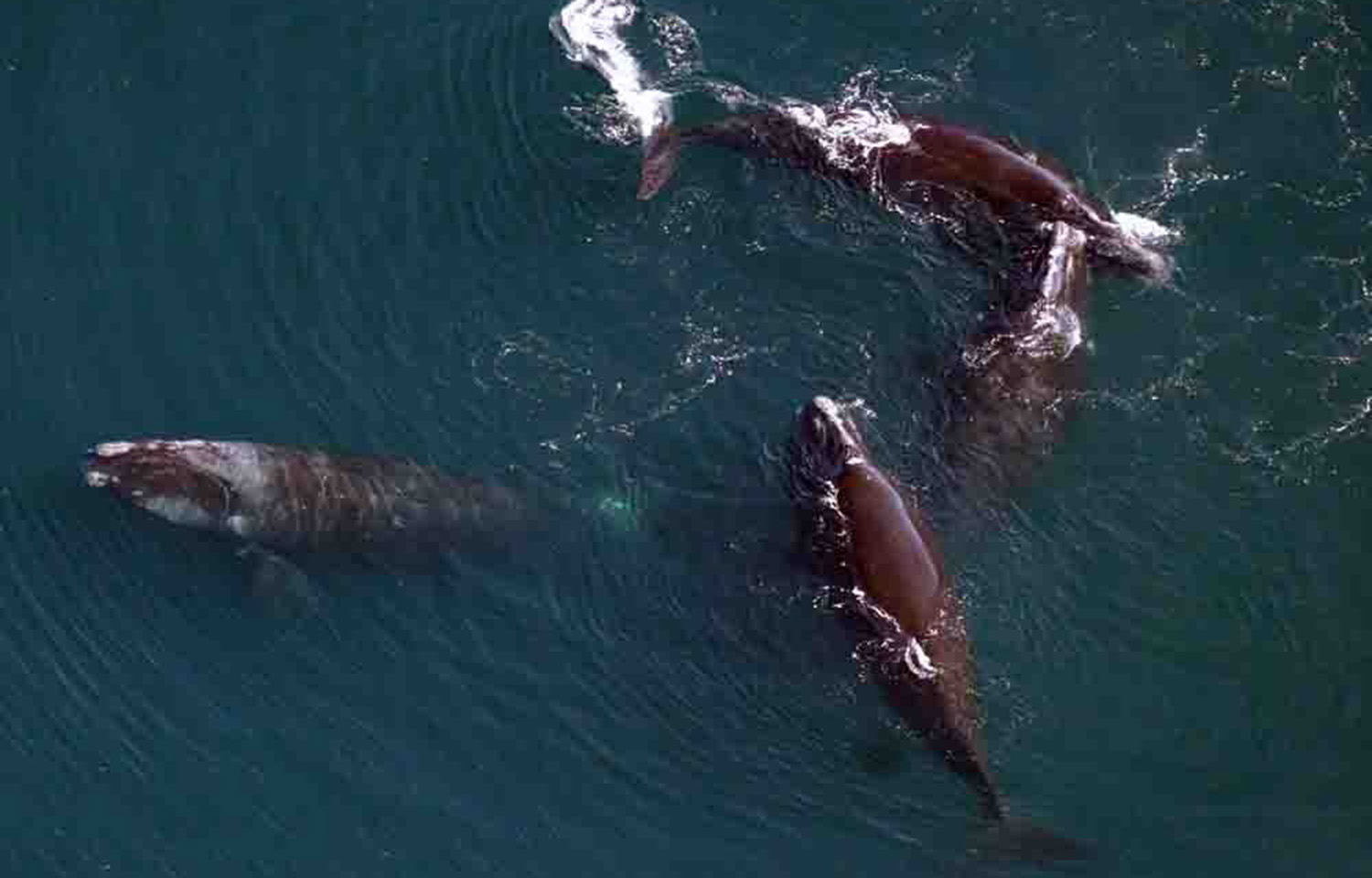
The current definition of “harm” has run some aspects of the U.S. seafood industry afoul of the ESA. The Maine lobster fishery was found to violate the ESA in 2020, with a federal court finding NMFS rules governing the fishery failed to adequately protect critically endangered North Atlantic right whales. NMFS later unveiled new regulations in 2021 to bring it back into compliance, but a judge ruled those new rules also didn’t go far enough.
Fishing vessels on the west coast of the U.S. also have to contend with restrictions related to protecting whales, including closures of parts of fisheries. NOAA has also been sued over claims it failed to meet certain deadlines regarding ESA protections for Chinook salmon in Alaska.
NMFS and FWS are actively seeking comments on the rulemaking docket.
