


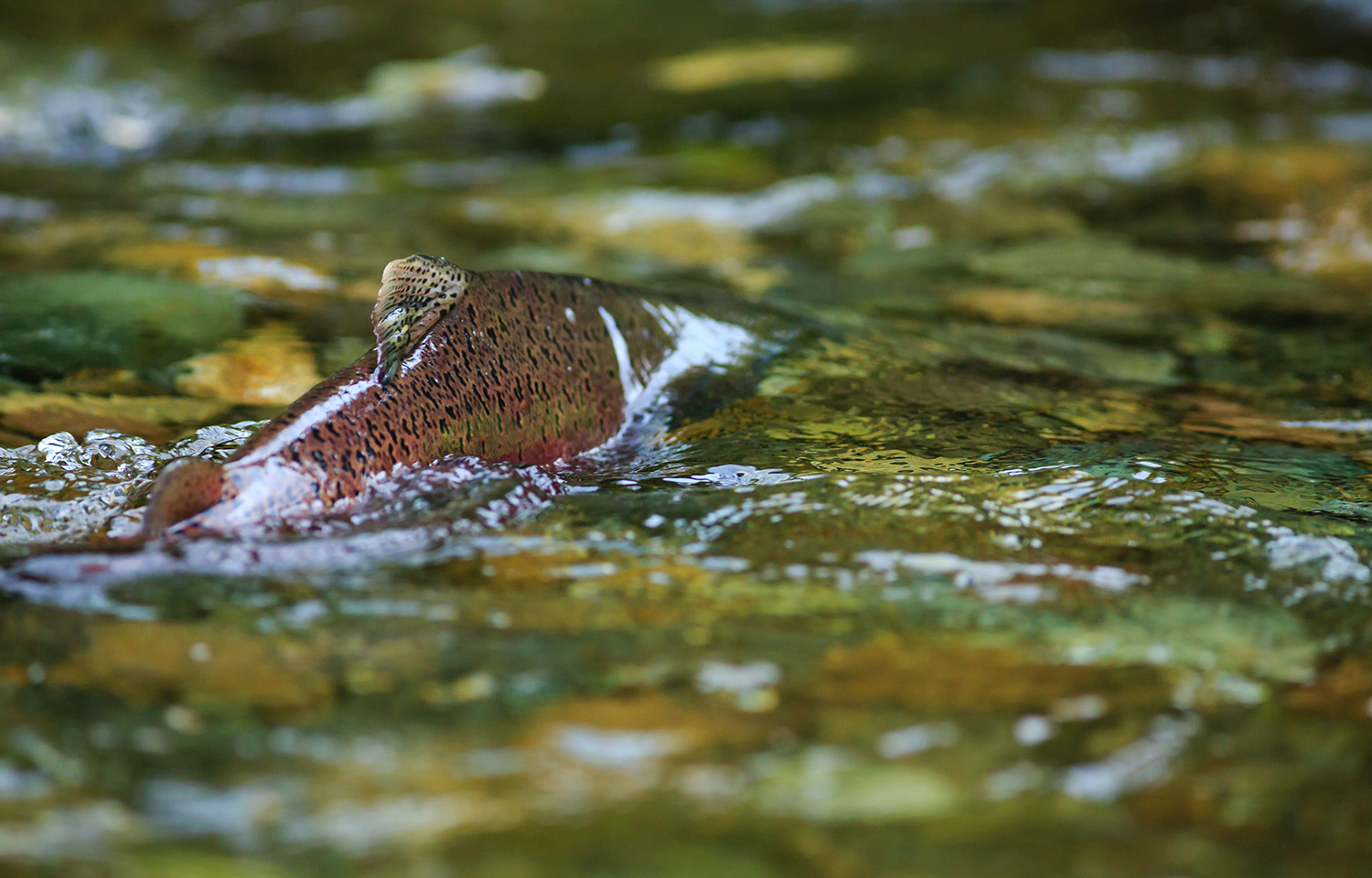
Conservation advocacy group Wild Fish Conservancy (WFC) plans to sue NOAA Fisheries after the agency missed deadlines for responding to its petition seeking Endangered Species Act (ESA) protections for Chinook salmon in Alaska.
WFC announced in January 2024 that it was petitioning the government to implement protections for the species due to “the severe decline and poor condition of Chinook populations” in Alaska. WFC listed several factors contributing to the fish population’s drastic decline, including mixed-stock commercial and sport fishing, bycatch from industrial trawlers, climate change, logging and mining operations, and competition from hatchery-raised fish.
“Over the last year, Native communities and Alaskans participating in the listing review process have expressed relief and optimism that this comprehensive analysis is finally taking place to address the decline of the local Chinook populations they work so hard to protect,” WFC Executive Director Emma Helverson said in a statement. “It is clear Alaskan communities want answers and are ready to begin implementing solutions through the recovery planning process. Tangible actions, additional resources, and stronger protections are what these fish and the communities who depend on them desperately need.”
NOAA is required to complete a review of such petitions within a year, but WFC claims NOAA fisheries said it needed more time and would not meet the legally mandated deadline.
“The public should not have to take legal action to compel federal agencies to follow the law, but the dire crisis facing Alaska’s Chinook populations leaves us no other choice,” Helverson said. “These aren’t arbitrary timelines or bureaucratic red tape, they are essential safeguards to prevent extinction. NOAA isn’t just missing a deadline; it’s pushing Alaskan Chinook closer to extinction and starving the ecosystems and communities that rely on them.”
NOAA has missed similar deadlines for ESA petitions for fish in the past, which WFC views as a sign of "systemic dysfunction within the agency."
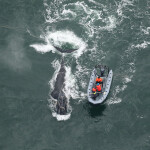
The petition is just one of several attempts by WFC to curtail salmon fishing in Alaska. A separate WFC lawsuit nearly shuttered Southeast Alaska's commercial Chinook salmon fishery in 2023, with the group claiming that NOAA Fisheries had not adequately analyzed how salmon fishing in the region could impact Southern Resident killer whales, which rely on the fish as a food source. An appeals court ultimately allowed the fishery to continue while NOAA Fisheries updated its documentation.
WFC’s activities have been met with fierce opposition from Alaska’s commercial salmon sector. Commercial fishing advocacy group SalmonState blasted WFC’s Chinook petition when it was first announced more than a year ago.
"With this petition, the Wild Fish Conservancy is doubling down on its attempts to shut down fishing in Alaska without consulting with or speaking to the people they're sledgehammering,” the organization said. “This petition is an extreme attempt to reallocate wild salmon that, once again, fails to consider or address the actual threats to Chinook. Alaskans and others concerned about wild salmon need to be working together to address threats from habitat degradation, to climate change, to hundreds of thousands of Bering Sea salmon bycaught and killed in Seattle-based trawl nets. Instead, the Wild Fish Conservancy is continuing to attack some of the people who care about wild salmon the most – salmon fishermen – and putting all of Alaska in a defensive position that will ultimately make problems worse instead of better."
Alaska salmon – including Chinook – was recertified under the Marine Stewardship Council (MSC) Fisheries Standard last year, despite concerns raised by conservation groups.
“Government officials, seafood certifiers, and the fishing industry continue to assure the public that Alaska’s Chinook are well managed, but the data tells a different story. When fishery managers continue to stubbornly defend businesses as usual, further harm is inevitable and emergency fishery closures should be expected,” WFC biologist Conrad Gowell said in a statement. “The longer NOAA waits to take appropriate action, the more severe the social, economic, and environmental consequences will be.”
