





The U.S. Senate Committee on Commerce, Science, and Transportation has approved legislation that would extend the Young Fishermen’s Development Act for another five years, clearing a path to a vote by the full Senate.
Initially signed into law in 2021, the Young Fishermen’s Development Act has provided competitive federal grants for training a new generation of workers to join the commercial fishing industry. The USD 2 million (EUR 1.7 million) in annual grant funding can be used to fund mentorship programs, workforce training, and education initiatives. The program has been widely supported by commercial fishing groups.
“The challenges for new entrants into the fishing industry are considerable – from high costs to extremely limited waterfront and fishery resource access,” Alaska Longline Fishermen’s Association Executive Director Linda Behnken said in a statement. “The YFDA provides a framework to better prepare for these hurdles, helping to foster a new generation of safe and successful fishermen.”
With the funding set to expire in 2026, U.S. lawmakers have introduced the Young Fishermen’s Development Extension Act, which will authorize the program for another five years. The Senate version was introduced by U.S. Senator Dan Sullivan (R-Alaska), U.S. Senator Lisa Murkowski (R-Alaska), U.S. Senator Ed Markey (D-Massachusetts), and U.S. Senator Roger Wicker (R-Mississippi).
On 21 October, the Senate Commerce Committee passed the bill in a voice vote.
A companion bill was also introduced in the U.S. House; the House Natural Resources Committee advanced the legislation last month.
The extension still needs to be approved by both the full House and Senate before becoming law.
The committee also advanced legislation extending two other programs which support data collection on ocean conditions: the Integrated Ocean Observation System Reauthorization Act and the Digital Coast Program. The former collects ocean and weather data from regional observation systems to support commercial fishers and other vessels, while the latter authorizes a collaborative online database of valuable coastal information.
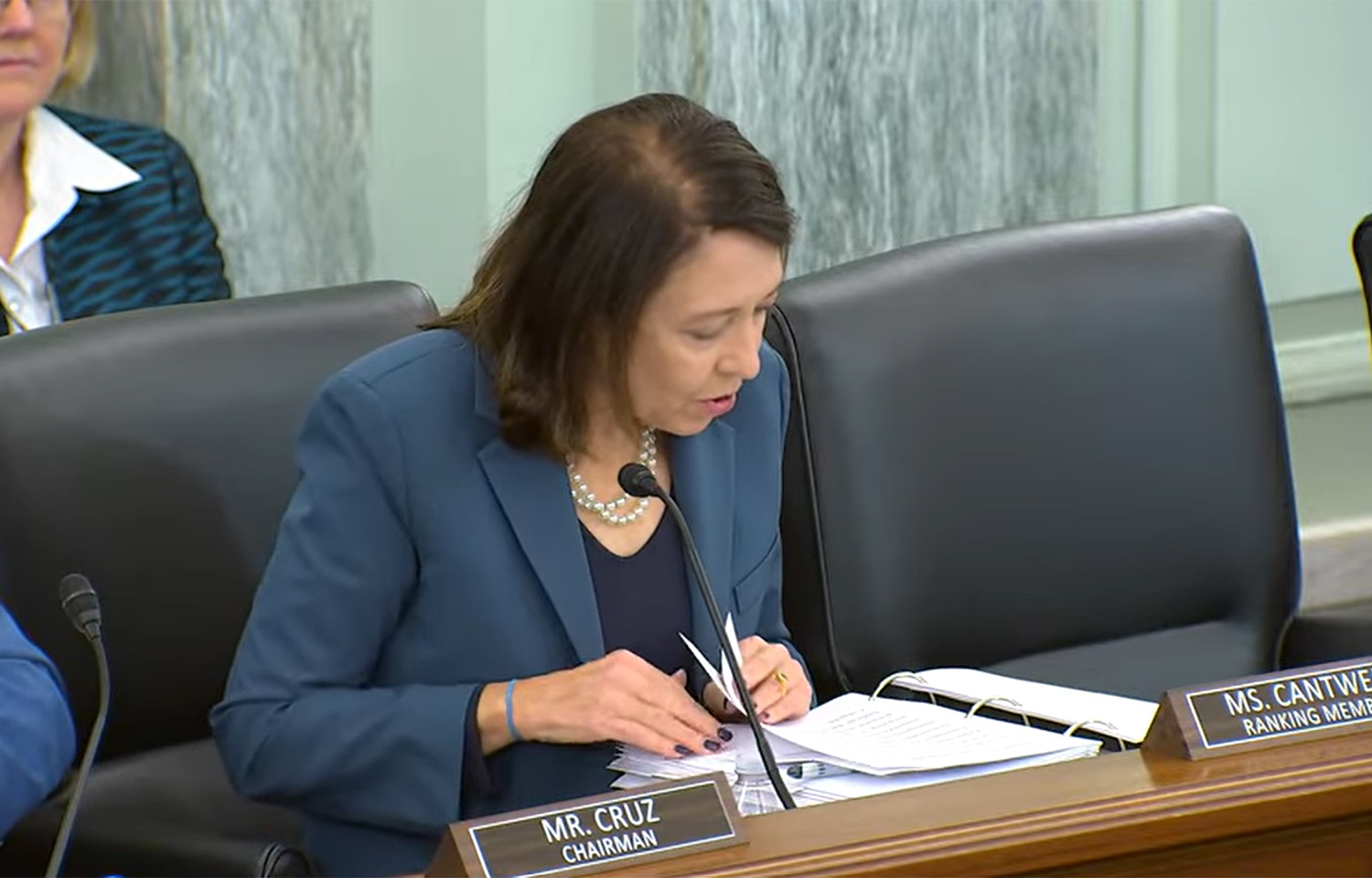
“The digital coastal data set consists of contributions from hundreds of organizations and federal and state agencies to assist communities in responding to emergencies,” U.S. Senator Maria Cantwell (D-Washington) said in remarks before the vote. “I know a story of an accident where a sailor fell off a boat in Puget Sound. He and his brother were coming back from British Columbia and trying to get back to Olympia and fell off, and the Coast Guard was trying to search for them, but because … this information was accessible, a guy on Bainbridge Island calculated and said, ‘This is where he is,’ and they literally were able to rescue the individual. So, all this data really is important.”
