




A coalition of Tribes, conservation groups, and state governments have asked a court to force dam operators to make several changes designed to help salmon in the Columbia River Basin.
“The spiraling declines of wild Snake River salmon and steelhead strangle most all fisheries from Canada back to the Snake Basin, especially in river sport and Tribal fisheries,” Northwest Sportfishing Industry Association Policy Director Liz Hamilton said in a release. “The requested emergency measures will benefit the baby salmon leaving the river next year and provide hope for those whose livelihoods and culture depend on their success. These measures help keep fish in the game while we continue our work with others in the region on a comprehensive solution.”
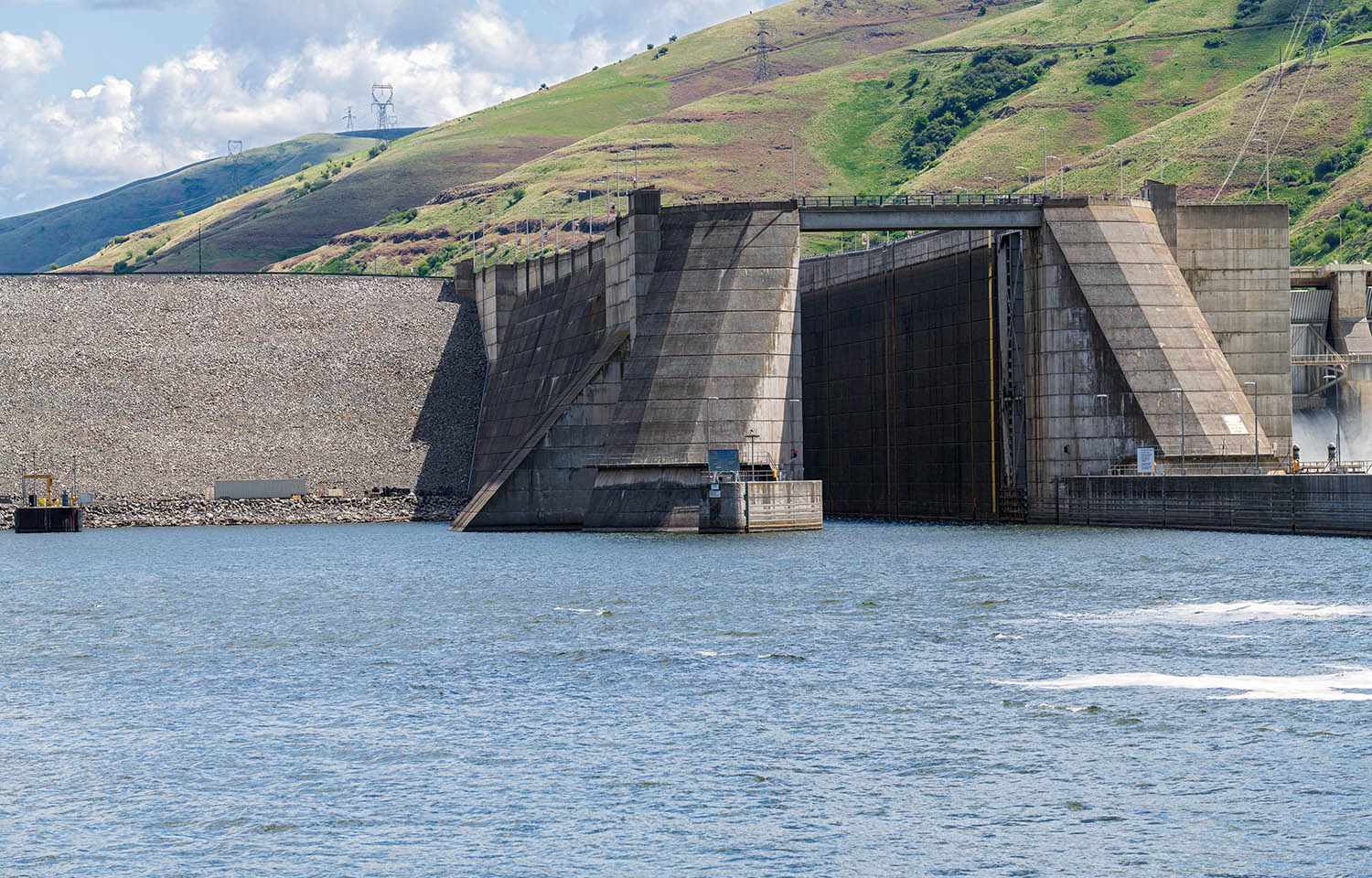
Among the changes being sought are an increased spill – allowing juvenile salmon to pass over dams instead of through turbines – and lower reservoir elevations. According to the coalition, higher reservoir elevations increase the amount of time salmon have to spend in “stagnant, overheated waters.”
“The wild salmon and steelhead of the Columbia Basin that are essential to Tribal cultures and our Northwest heritage are in dire straits,” Club Snake/Columbia River Salmon Campaign Director Bill Arthur said in a release. “The stagnant, hot water reservoirs created by the dams on the lower Snake River continue to drive these fish toward extinction. Because there is no longer an effective plan in place to prevent extinction, we must return to court to secure badly needed improvements to hydropower operations to protect these iconic runs. We can and must do more to avoid extinction and restore healthy salmon runs while making investments to assure reliable energy.”
The groups, which are represented in their legal efforts by Earthjustice, are also seeking improved federal efforts to control predators and the removal of barriers to fish passages.
The legal filing comes shortly after the administration of U.S. President Donald Trump reneged on the Resilient Columbia Basin Agreement, which was negotiated between the federal government, the states of Washington and Oregon, conservation groups, and four Tribes. The agreement was based on a comprehensive salmon recovery plan and served as a basis for pausing decades of legal battles over salmon conservation. U.S. President Joe Biden – who prioritized Columbia River Basin salmon conservation and boosted funding for their recover during his term in office – announced the deal along with USD 1 billion (EUR 855 million) in new spending in 2023.
Since taking office, however, Trump has undone much of his predecessor’s work on salmon conservation and recovery. With the Big Beautiful Bill Act passed earlier this year, the Trump administration rescinded funding dedicated to the Pacific Coastal Salmon Recovery Fund, and the U.S. Department of Commerce recommended zeroing out spending on the fund in fiscal year 2026. Then in June, the president withdrew from the Resilient Columbia Basin Agreement, stating that Biden placed “’equitable treatment for fish’ and misplaced concerns about climate change above the Nation’s interests in reliable energy resources and the needs of American citizens.” Energy groups and some Pacific Northwest lawmakers had opposed the agreement since its announcement, claiming that it was the first step in an effort to remove four dams which supply critical power to the region.
Though Trump withdrew from the agreement, other signatories announced that they would continue to work toward their plan, even without federal funding and support. The coalition also stated its intent to resume litigation against the federal government.
“When the Trump administration reneged on this carefully negotiated agreement – and offered no alternative plan to restore imperiled salmon and steelhead – we had no option but to resume our longstanding litigation to protect endangered salmon,” Earthjustice Attorney Amanda Goodin said in a release. “The motion we filed today requests the court to order federal agencies to take the most important, immediate, and reasonable steps that are possible within the Columbia Basin’s current hydropower operating system to ensure our Northwest salmon don’t go extinct.”
