





Seattle, Washington, U.S.A.-based advocacy nonprofit Waste Action Project has filed a citizen lawsuit against Trident Seafoods for alleged violations of the U.S.'s Clean Water Act, seeking damages of up to USD 68,445 (EUR 58,550) per day.
Waste Action Project said it is devoted to protecting the quality of water in the state of Washington. In a complaint, filed with the Western District Court of Washington, the organization alleges Trident Seafoods is in violation of the Clean Water Act inside the state.
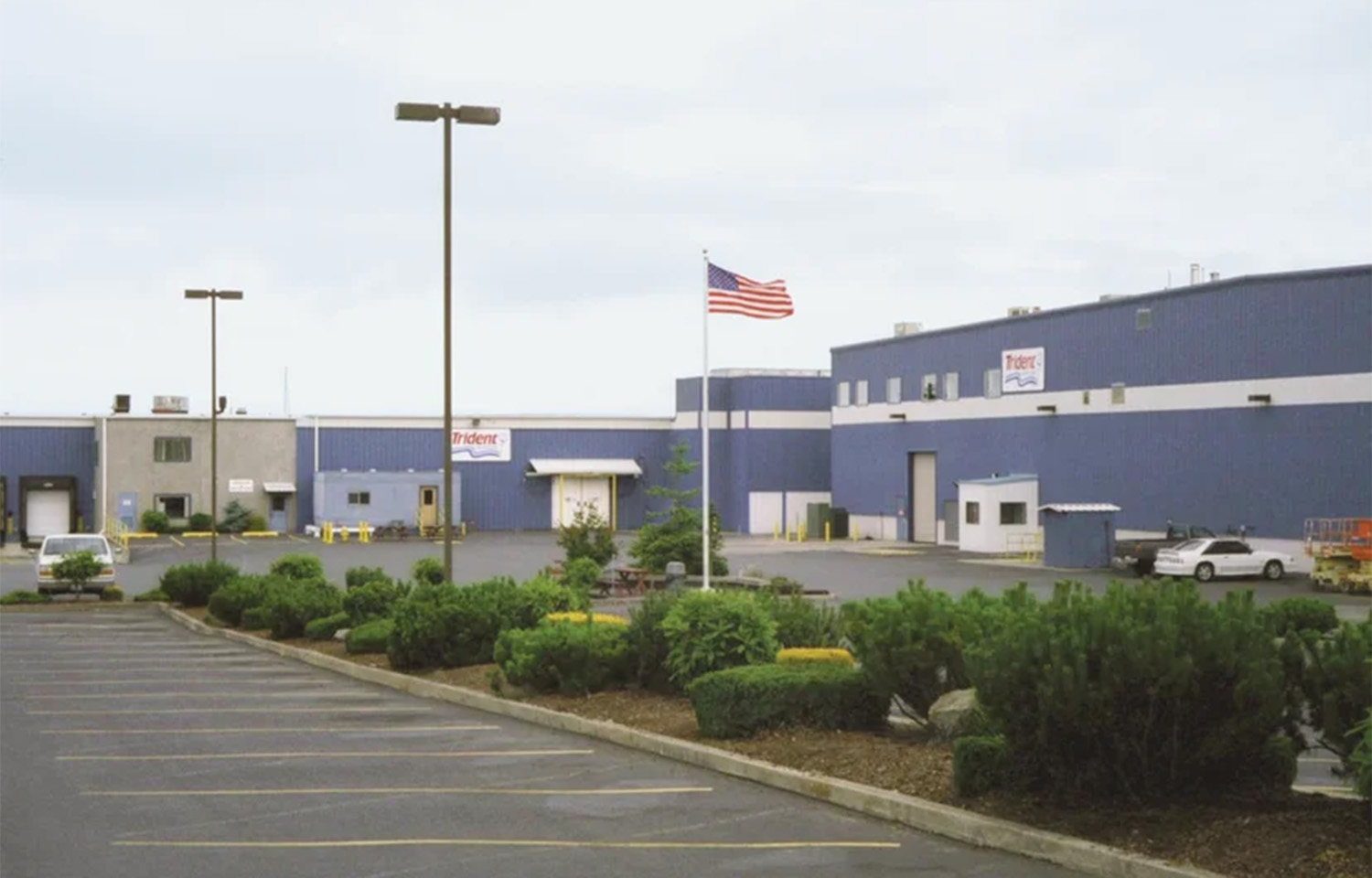
According to the lawsuit, Trident’s seafood processing and packaging facility in Anacortes, Washington, has discharged waste to the city of Anacortes’s wastewater treatment plant – referred to in the lawsuit as WWTP – that violates its permitting.
The lawsuit states Trident operates under a Pretreatment Permit, which holds the company’s wastewater discharge to certain effluent limitations which the company must monitor and report on.
“The Pretreatment Permit requires, among other things, that Trident properly operate and maintain all systems of treatment and control at all times,” the lawsuit states.
The lawsuit claims that Trident has violated some portions of that permit by discharging wastewater that is outside the daily minimum pH limit. Based on the lawsuit, violations occurred on over 130 different days, which would mean Trident would be liable for over USD 9 million (EUR 7.7 million) in damages.
It also claims Trident failed to analyze its wastewater discharge for a number of contaminants – including dissolved oxygen, suspended solids, and oil and grease – during certain periods of time.
The lawsuit is requesting the court order Trident to allow Waste Action Project participate in a development and implementation plan to come back into compliance with the Clean Water Act.
“Trident’s violations were avoidable had Trident been diligent in overseeing facility operations and maintenance,” the lawsuit states. “Trident benefited economically as a consequence of its violations and failure to implement improvements at the facility.”
According to the lawsuit, neither the Environmental Protection Agency (EPA) nor the Washington Department of Ecology – which handles water quality in Washington – have commenced any action against Trident Seafoods.
A spokesperson for Trident Seafoods said the company is not issuing any statement on the lawsuit at this time.
Nonprofits frequently sue seafood companies for Clean Water Act violations. An environmental NGO sent a letter to Cooke Inc. in November 2024 announcing its plans to sue the company over alleged violations at its salmon farms in the U.S. state of Maine.
The Environmental Protection Agency has also targeted other seafood companies for violations of the Clean Water Act. American Seafoods was fined nearly USD 1 million (EUR 855,000) in 2023 for violations.
The Washington Department of Ecology has also fined companies in the state of Washington over water quality issues. Pacific Seafood has been fined repeatedly for violations, for lack of monitoring controls, and for discharging too much organic matter.
