






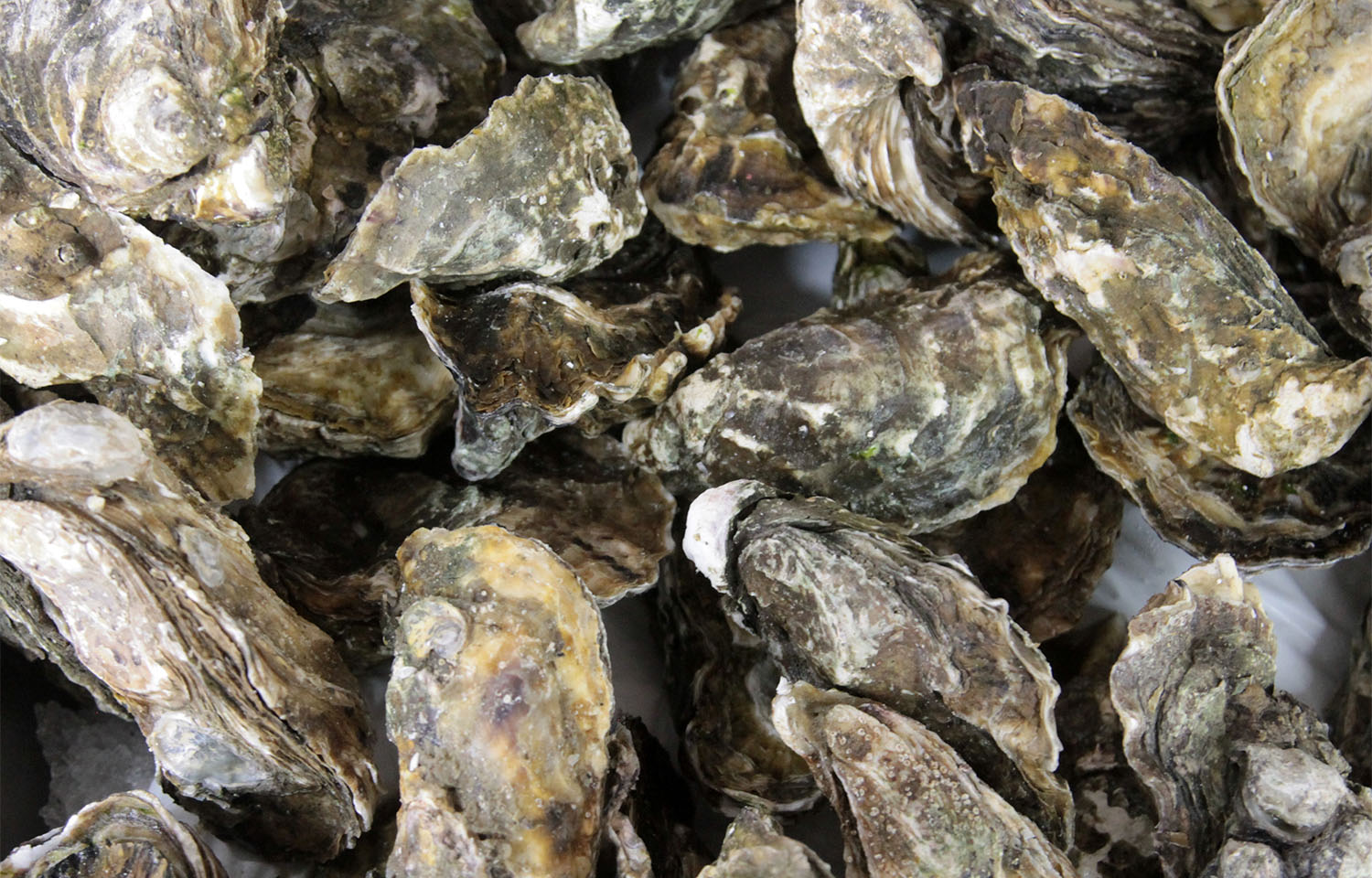
East Coast Shellfish Association Executive Director Robert Rheault said he spent his recent holiday season reacting to a U.S. Center for Disease Control (CDC) outbreak alert he calls “ridiculous.”
On 23 December, the CDC put out an alert that said 64 cases of salmonella had been linked to raw oysters across 22 states, with 20 hospitalizations and zero deaths. Rheault told SeafoodSource that the alert was baseless, didn’t meet the definition of an outbreak, and may have cost oyster farmers income during a busy time of year.
“It was an announcement not of an outbreak but of an investigation. In fact, what they found was it does not meet the FDA’s definition of an outbreak by any imagination – which would be two sick people having food from a common source,” Rheault said. “In any case, of the 65 people who came down with this very rare strain of salmonella – which is associated with bearded dragons, lizards, and tortoises – 22 of them claimed they had had oysters in the past two weeks. Another 37 of the people interviewed had sushi.”
Rheault said the timing of the alert – just two days before Christmas – meant the news broke just as people were considering serving shellfish. He said he’s talked to shellfish dealers who had to spend the week dealing with calls, concerns, and the cancelation of orders.
“We are surveying every shellfish dealer in the country to determine the extent of the economic damage,” Rheault said.
Rheault further explained that tracing of the illnesses showed the alleged oysters linked to the outbreak came from nine different states and three different Canadian provinces over a six-month period.
“It’s statistically implausible that this very rare strain has been reinfecting growing areas from Canada to Louisiana over six months,” he said.
He said one of the issues with the alert was it getting picked up in a variety of different news outlets without the added context that it was an investigation and raises questions about how the CDC announces its actions.
By his estimates, hundreds of news outlets ran a story about how oysters were making people sick – including major publications like CNN – without the context that it was just an investigation into whether that was actually true or not.
“We are hoping that we can get some changes to the policies at the CDC about how they announce investigations to the public and hope that they do what they should be doing – which is let the FDA do its job,” Rheault said.
