






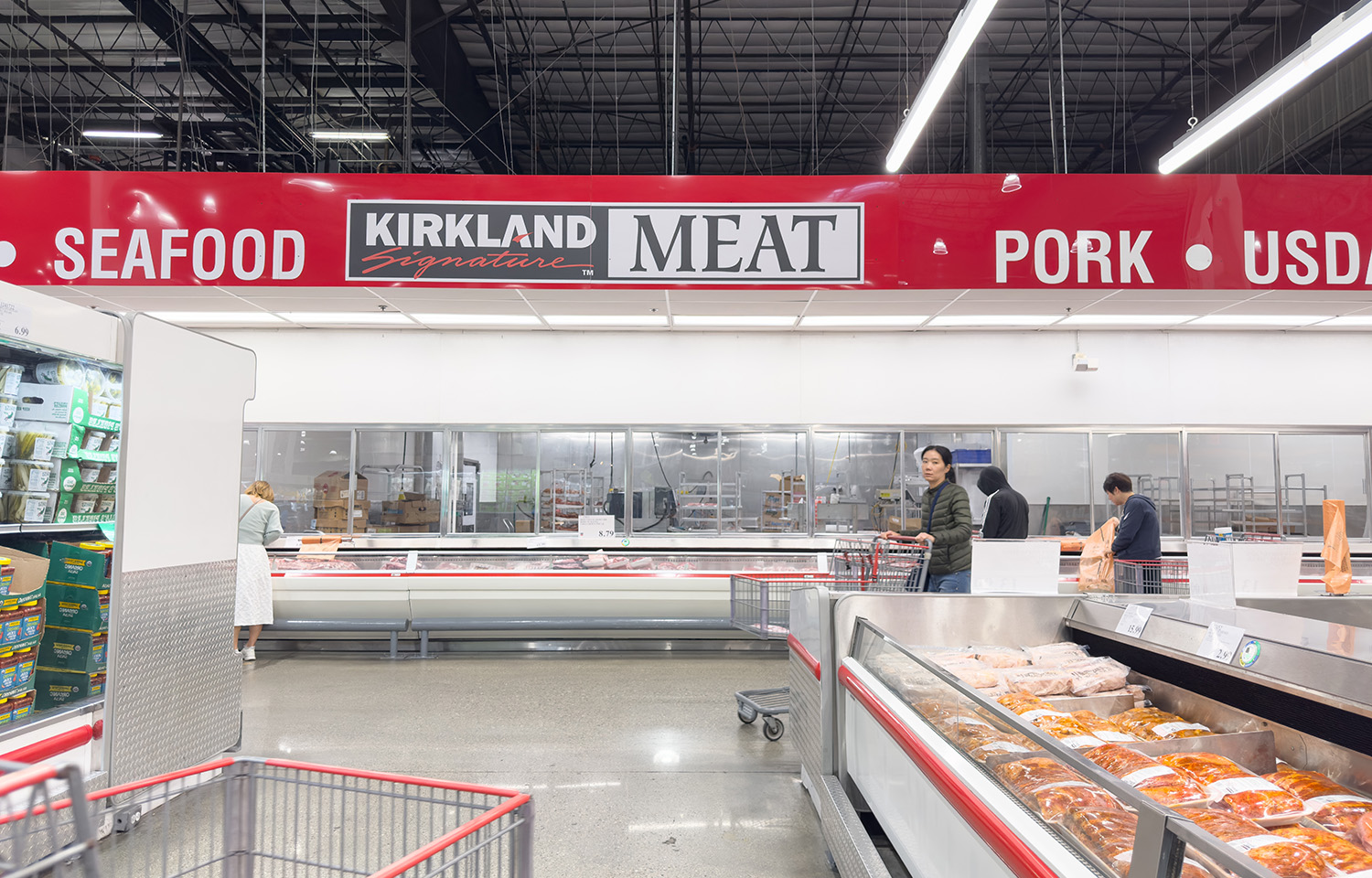
A dip in consumer spending and confidence in February 2025 has prompted retail and logistics experts to warn industry stakeholders to continue preparing for an economic contraction.
Both the National Retail Federation (NRF) and The University of Michigan’s Index of Consumer Sentiment reported declines in the two categories in February.
NRF President and CEO Matthew Shaw attributed the decline in consumer spending to “harsh winter weather and weakening consumer confidence due to tariffs, rising unemployment concerns, and policy uncertainty.”
Though the Consumer Price Index reported in March 2025 that inflation slowed 3 percent in January, overall inflation was up 2.8 percent year over year in February, and the University of Michigan’s Index of Consumer Sentiment, which has monitored trends in U.S. consumer perspectives for 75 years, said it found consumers were fearing inflation at slightly higher rates than before. The index attributed this uptick to consumers feeling “substantial uncertainty, particularly in light of policy changes under the new presidential administration.”
Conumer Price Index Director Joanne Hsu said consumers across various age groups, income, and wealth distributions were feeling less confident about the American economy.
She noted that the durables sector, which includes automobiles, furniture, machinery, and other items that are used for a long period of time before replacement, had seen “a 19 percent plunge in buying conditions … in large part due to fears that tariff-induced price increases are imminent.” Durable goods are considered a key economic indicator because they tend to be costly, and because they are the kinds of purchases that individuals and businesses will skip making when they are facing financial pressure and make more frequently when they are feeling financially comfortable. For this reason they give investors a view into the financial health and confidence of individuals and businesses.
In her summary of the results of the February survey, Hsu said that the decrease in consumer sentiment “was pervasive, with Republicans, Independents, and Democrats all posting sentiment declines from January,” and noted that across all groups the survey showed a decline in expectations of personal finances.
She noted that about one third of respondents mentioned tariffs without being prompted to by their questioner, up from only 2 percent before the election, and concluded that “even amid the busy start to the Trump presidency, news about tariffs – whether rhetoric about trade or concrete policy announcements from the White House – appears to be filtering down to consumers.”
In response to this data, Container xChange, a container marketplace and forecasting service, issued a customer advisory.
“The ongoing tariff battle, with its cycle of levies and retaliatory measures, will trigger two significant ripple effects on trade: heightened uncertainty for trade partners and rising inflation for consumers—both of which ultimately weaken demand," Container xChange CEO Christian Roeloffs said.
The company warned its customers that a decline in “consumer spending could weaken demand for imported goods, affecting container flows and freight rates.”
Container xChange also said that it had noticed “retailers adjusting inventory levels in response to declining consumer sentiment,” and told its customers to expect both “pulling forward of orders but also postponement of critical operational business decisions by container logistics companies.”
This advice mirrored that offered by supply chain and logistics expert Dr. Sunderesh Heragu, a professor at Oklahoma State Univesity and the president-elect of the Institute of Industrial and Systems Engineers, who recently told SeafoodSource that he expected businesses to stop making capital expenditures during this period of uncertainty, and would advise them to do so if they hadn’t already stopped such projects.
Container xChange also advised customers to be aware that the U.S. budget deficit is “surging,” and that “a growing deficit may keep interest rates higher for longer, increasing financial costs of container purchases, leasing, and trade operations.” Citing the U.S. Treasury Department’s Monthly Treasury Statement for March 2025, the forecaster reported that the federal budget deficit had reached USD 1.147 trillion (EUR 1.053 trillion) in the first five months of the 2024-2025 fiscal year, a 9 percent year over year increase.
Container xChange feared that businesses might see a “tightening of credit conditions, affecting cash flow for logistics businesses” in response.
The forecaster’s customer advisory included a number of other risks and opportunities, including the U.S.-China trade war, the Federal Reserve’s choice to hold off rate cuts, and the U.S. dollar’s strength going forward.
Ultimately, CEO Roeloffs told customers that “tariffs won’t stop trade–they’ll simply reshape its flow.” With that in mind, he advised shipping and logistics stakeholders to be prepared that “demand and supply hotspots will shift.”
Flexibility would be key to navigating the situation, he said, and businesses that rely on predictable cargo movement may struggle to reshape their strategies to adapt to the reduction in container movement along traditional routes.
“While tariffs may dampen demand in some regions, they could fuel it elsewhere," Roeloffs said. "Rising costs for importers may slow ocean freight demand, impacting container prices and lease rates, but new sourcing hubs will emerge, creating fresh demand centers. This shifting landscape could lead to localized container shortages in high-growth areas and surpluses in others, requiring the industry to stay agile in response to evolving trade dynamics”
