





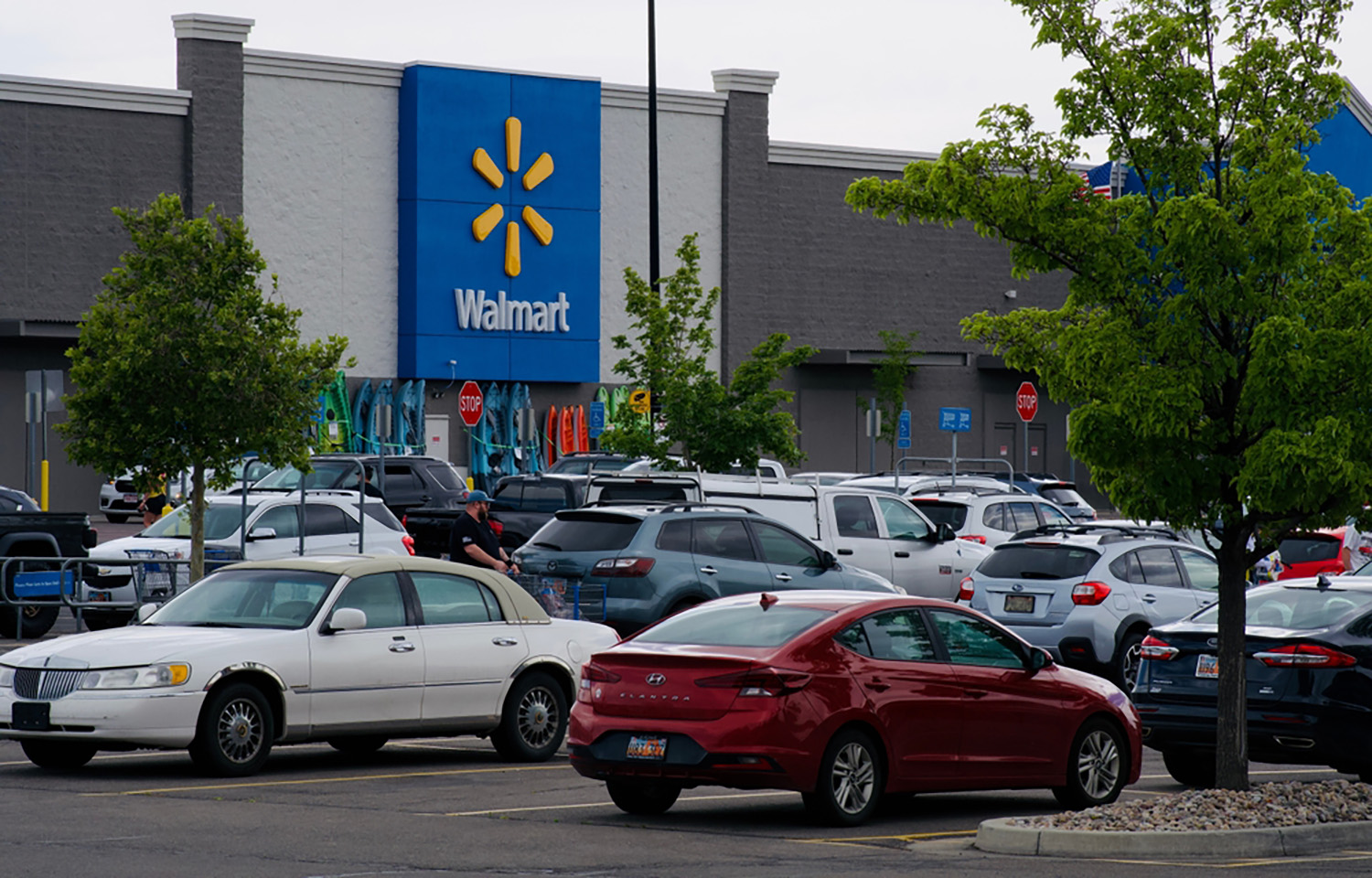
The National Grocers Association (NGA), a U.S. trade association that represents retail and wholesale grocers, has claimed that national grocery “power buyers” – especially Walmart – are violating antitrust laws and raising U.S. food prices.
In a late January letter to the Federal Trade Commission (FTC) and the Department of Justice (DOJ), the NGA highlighted newly unsealed court filings from a previously dismissed FTC lawsuit against Pepsico.
In that lawsuit, which was filed in January 2025 and dismissed by the agency itself last May, the FTC alleged that PepsiCo’s preferential pricing and promotions rolled out at Walmart “disadvantaged retailers that compete with Walmart in the resale of Pepsi soft drinks across the United States, including family-owned neighborhood grocery stores, local convenience stores, mid-tier grocers, and independent retailers,” per Grocery Dive.
“While the case was dismissed on procedural grounds, the underlying allegations reinforce longstanding concerns raised by independent grocers about how buyer power is used to distort competition,” NGA said, adding that unchecked buyer power is raising rivals’ costs, accelerating consolidation, and directly contributing to higher food prices for American consumers.
In response, Walmart pointed out that the FTC voluntarily dismissed its own lawsuit.
“We don’t comment on others’ cases, but it’s worth noting that the FTC voluntarily dismissed this one,” Walmart told Grocery Dive. “We remain committed to negotiating on behalf of our customers so we can deliver value and everyday low prices.”
Nevertheless, NGA said there is a growing body of economic research showing that markets with higher retail concentration experience faster price increases, greater inflation pass-through, and higher long-term grocery prices.
“Studies from the Federal Reserve Bank of Atlanta and leading academic journals demonstrate that weakened competition, not efficiency, is driving higher margins and higher consumer costs in concentrated retail markets,” the organization said.
“These findings directly challenge the unsubstantiated assumption that buyer power automatically benefits consumers,” NGA Chief Government Relations Officer and Counsel Chris Jones added in a release. “The evidence now shows that lax enforcement leads to both higher prices and fewer choices.”
Abusive buyer power also harms farmers and producers by suppressing prices paid upstream and increasing costs downstream, compounding risk across the food supply chain, NGA said.
In its letter, NGA urged the FTC and the DOJ to reinvigorate enforcement of the Robinson-Patman Act (RPA) and Section 5 of the FTC Act, which prohibit discriminatory pricing and promotional treatment among competing purchasers.
Although U.S. Congress enacted the RPA to prevent large buyers from using their size to undermine competition, federal enforcement has been largely abandoned for decades, NGA claims, “allowing dominant power buyers to extract preferential pricing, promotions, packaging, fees, and access to product supply that are not available to independent competitors.”
