





In the wake of sweeping tariffs ordered by U.S. President Donald Trump, Walmart and Target told some Chinese suppliers to resume shipments to the U.S. after executives met with U.S. President Donald Trump last week – and major grocery chain Albertsons told suppliers it won’t accept tariff-related price hikes.
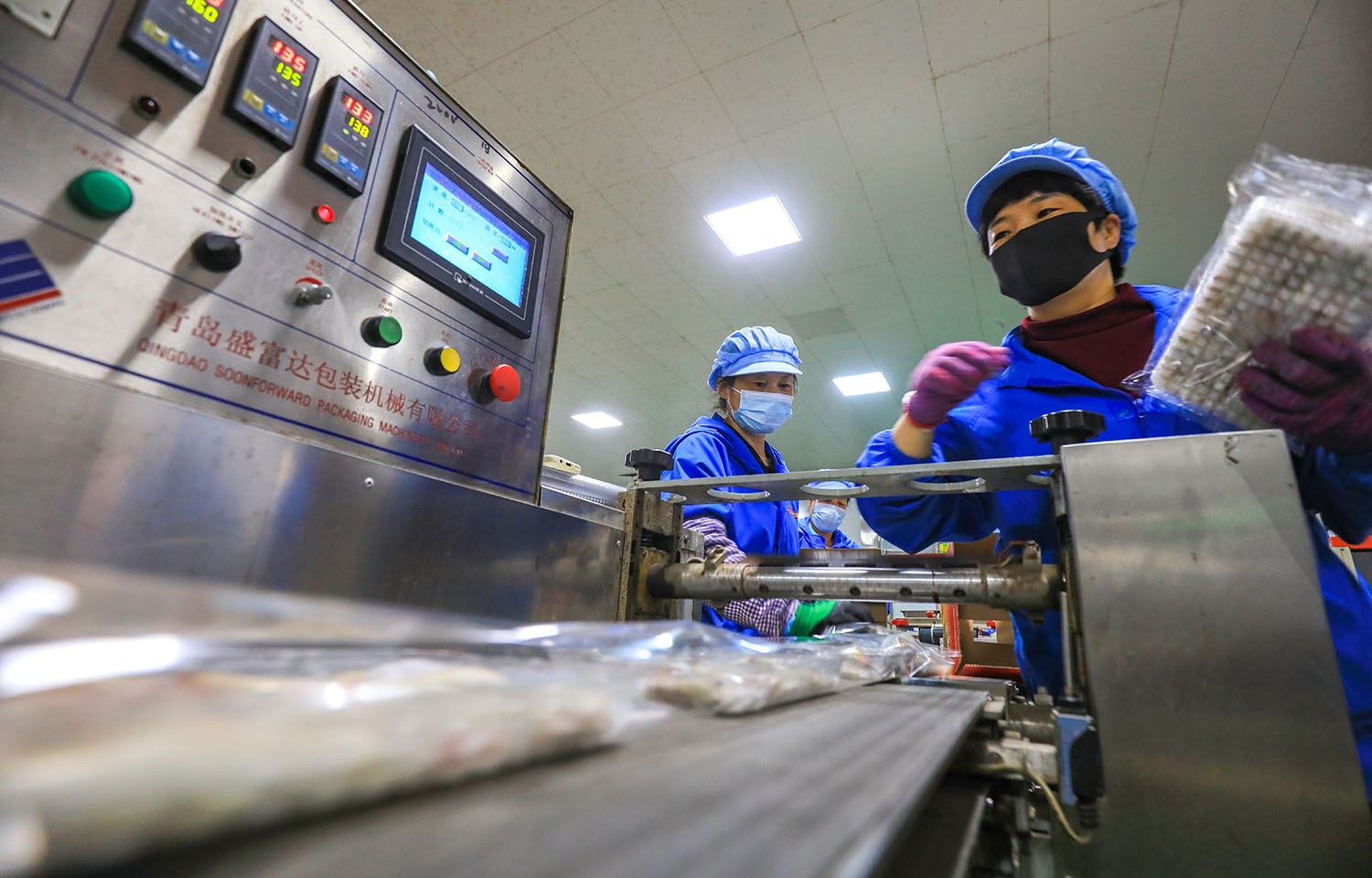
Two Chinese factories told CNN that Walmart and Target have resumed shipments, and the costs of the 145 percent import tariffs will be covered by the retailers, according to the South China Morning Post. Trump indicated that he may back off tariffs on China after CEOs from Walmart, Target, and Home Depot expressed their concerns.
“We had a productive meeting with President Trump and his team and appreciated the opportunity to share our insights,” a Walmart spokesperson said, according to Reuters.
Meanwhile, Amazon reportedly reversed a plan executives were considering to list how much of an item’s cost came from tariffs next to the prices of some products. While Amazon said it was considering the “idea of listing import charges on certain products” on Haul, its spinoff website that sells items below USD 20 (EUR 18), the change wasn’t rolled out, per CNN.
“This was never approved and not going to happen,” an Amazon spokesperson told CNN.
Still, the considered proposal raised the ire of the Trump Administration as White House Press Secretary Karoline Leavitt called the move a “hostile and political act.” However, after Trump called Amazon CEO Jeff Bezos, Trump said he was “very nice. He was terrific. He solved the problem very quickly. Good guy,” CNN reported.
Although it will not list tariff costs next to items, Amazon sellers individually are raising prices on hundreds of items, per CNBC. About 25 percent of price increases in recent weeks have come from sellers based in China, and many U.S.-based Amazon sellers are looking for new suppliers in countries such as Vietnam, Mexico and India, CNBC reported.
Meanwhile Boise, Idaho, U.S.A.-based Albertsons, which operates more than 2,200 grocery stores throughout the U.S., will not accept cost increases from suppliers, Head of Merchandising Omaj Gajial said in a letter to suppliers, per Supermarket News.
Suppliers may not include tariff-related costs in invoices without prior authorization from Albertsons. Invoices with unauthorized charges are subject to dispute and could face payment delays, the letter, originally reported in Forbes, said.
Albertsons also deployed a task force to monitor market volatility, particularly related to tariffs, the company said during its recent fourth quarter earnings call with investors, Supermarket News said.
In addition to Albertsons, other major U.S. retailers and organizations have expressed concern about the impact of tariffs on their supply chain and costs – along with consumer sentiment leading to reduced purchasing. In the latest example, Seven & i Holdings, which operates 7-Eleven stores, said it expects it will have to take a hard look at its supply chain and rein in costs as “U.S. consumers grapple with the impact of U.S. tariffs,” per Reuters.
"In that environment, you need to look harder at your supply chain, you need to make sure you squeeze your costs really tightly, so you have really good control of it," Incoming CEO Stephen Dacus said.
The National Grocers Association, based in Washington, D.C., warned in a letter to U.S. Federal Trade Commission Chairman Andrew Ferguson that rising tariffs could disrupt the food supply chain much like the early days of the Covid-19 pandemic.
During the pandemic, dominant national retail chains secured priority access to scarce products while smaller, independent, and regional grocers dealt with empty shelves and frustrated customers, NGA said in a press release.
“We are already seeing public news of large national chains pressure suppliers to absorb tariff-related costs, worsening existing power imbalances, and threatening fair competition,” NGA Chief Government Relations Officer Chris Jones said. “Independent grocers once again face the risk of being pushed to the back of the supply line if tariffs trigger product shortages.”
NGA urged the FTC to issue a statement reminding suppliers of their obligations under the Robinson-Patman Act that prices, promotions, and services must be provided to large and small purchasers on proportionately equal terms, and pushed the commission to investigate whether dominant grocery chains are using their buyer power to extract anticompetitive concessions or impose the cost of tariffs on smaller competitors.
The FTC should also enforce existing antitrust laws to prevent the use of buyer power to distort fair competition in the food supply chain, and monitor how tariff-related disruptions affect supplier pricing and product allocation across retail channels, NGA said.
“Independent grocers are the backbone of food access in rural and disadvantaged communities across the country – and they deserve a fair shot,” Jones added.
FMI - The Food Institute President and CEO Leslie G. Sarasin also expressed concern about tariffs, noting that retailers work on slim 1.6 percent net margins while food manufacturers have 7.5 percent net margins.
“Our food system is intricately linked with global markets − including products not grown in the U.S. like bananas or seasonal items − which helps keep prices down while providing American shoppers year-round access to safe, nutritious food,” Sarasin said in early April.
FMI’s March Grocery Shopper Snapshot found 54 percent of shoppers cited increased tariffs on imported food as their biggest concern related to the price of groceries, a 5 percentage point increase from January, Sarasin noted.
