






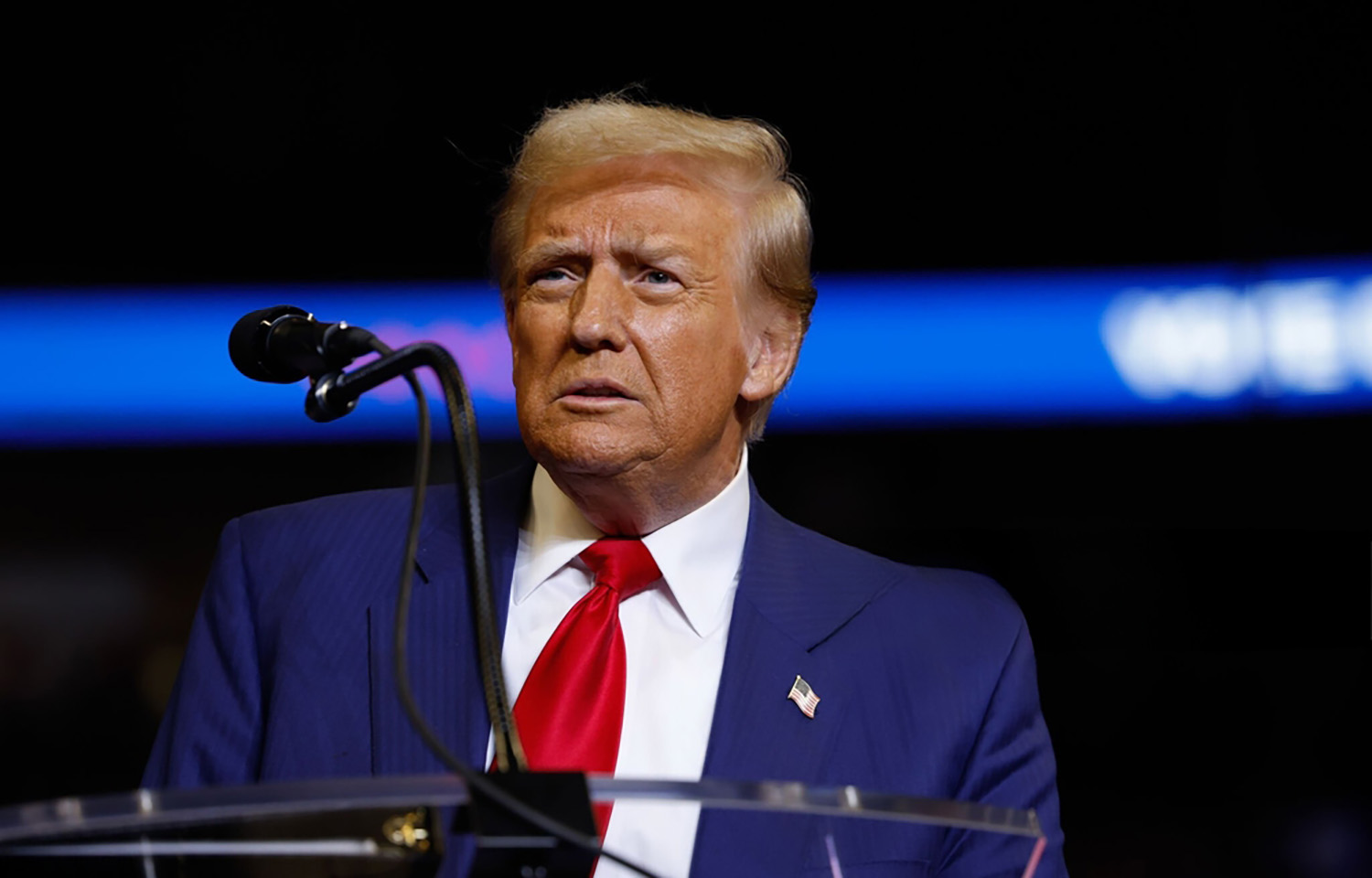
The recent election of Donald Trump to the U.S. presidency will have myriad effects on the U.S. restaurant and retail sectors, according to professionals in both industries.
According to Jennifer Bushman, co-founder and executive director of the San Francisco, California, U.S.A.-based nonprofit Fed by Blue, which supports the creation of responsible blue food systems, a Trump presidency will likely create a more volatile environment for seafood both at retail and on restaurant menus.
“Expect higher prices for some imported seafood items due to tariffs or supply chain disruptions, with potential shifts toward more domestic seafood sourcing,” Bushman told SeafoodSource.
Trump has proposed heavy tariffs on goods from China that could exceed 60 percent and tariffs of as much as 20 percent on everything else that the U.S. imports, which could impact foreign seafood industries that are dependent on exporting to the U.S.
Consumers at retail could specifically face higher prices on popular species like shrimp, salmon, and tilapia, which could “reduce purchasing frequency and affect consumer choice,” according to Bushman.
Trump’s tariff policies are also expected to negatively impact retailers, which rely on overseas suppliers, according to an analysis by data and forecasting firm eMarketer.
“Grocers would feel the impact on many of the food items they sell – like coffee and avocados. The tariffs would hit retailers’ top and bottom lines, and those costs would be passed along to consumers,” eMarketer said.
Bushman echoed that Trump’s policies could lead to disruptions in global seafood supply chains.
“Tariffs, trade wars, or even broader tensions with major seafood-producing nations could create uncertainty in availability, leading to stock shortages or fluctuations in product pricing at grocery stores,” she said.
As a domino effect, restaurant operators would likely see increased costs for menu items, including imported fish and shellfish.
“Restaurants could either pass these higher costs on to consumers through menu price hikes or absorb some of the costs, potentially reducing profit margins,” Bushman said.
The U.S. restaurant industry has already faced low foot traffic, high pricing, and debt in 2024 that has led several chains to declare bankruptcy.
Tacking on import disruptions could leave restaurants with supply shortages, forcing them to modify their menus or remove certain seafood items, Bushman said.
"This could result in more limited menu options for consumers or cause restaurants to switch to alternative species or less seafood options that are more readily available and affordable,” she said.
To compensate, restaurants and retailers might source more domestically farmed seafood on supermarket shelves, Bushman said, such as catfish, tilapia, trout, and shrimp, or U.S. wild-caught fish like pollock and flounder. Trump’s previous administration was generally supportive of increasing domestic production in sectors such as agriculture and aquaculture.
However, while some U.S. seafood producers might benefit, the removal of environmental protections could reduce the availability of sustainably sourced seafood, posing a challenge for both consumers and restaurants focused on ethical sourcing, Bushman said.
“Growing demand for sustainable and plant-based alternatives could push the industry in new directions, despite the broader policy landscape,” Bushman said.
Though U.S. restaurants are likely to face challenges under a Trump administration, according to Bushman, Trump’s economic policies could benefit restaurants in some other ways.
For instance, Trump has promised to cut the current corporate tax rate from 21 percent to 15 percent, according to Nation’s Restaurant News (NRN).
Trump also supports ending income taxes on gratuities for tipped workers, according to NRN.
"Although this policy received bipartisan support from Democrats … critics suggested that the policy could greatly impact the nation’s federal deficit and would not actually resolve problems for most tipped workers, many of whom already fall below the taxable income line,” NRN said.
National Restaurant Association President and CEO Michelle Korsmo congratulated President-elect Trump and Vice President-elect J.D. Vance on their election victory, but she noted that the industry’s costs have skyrocketed more than 30 percent over the past five years for both food and labor, noting that this requires attention and action to reverse.
“We continue to engage policymakers on both sides of the political aisle to improve the business vitality of restaurants,” Korsmo said. “We look forward to working with members of both parties to advocate for policies that create an environment where restaurants can thrive as a cornerstone of our communities and our economy.”
