



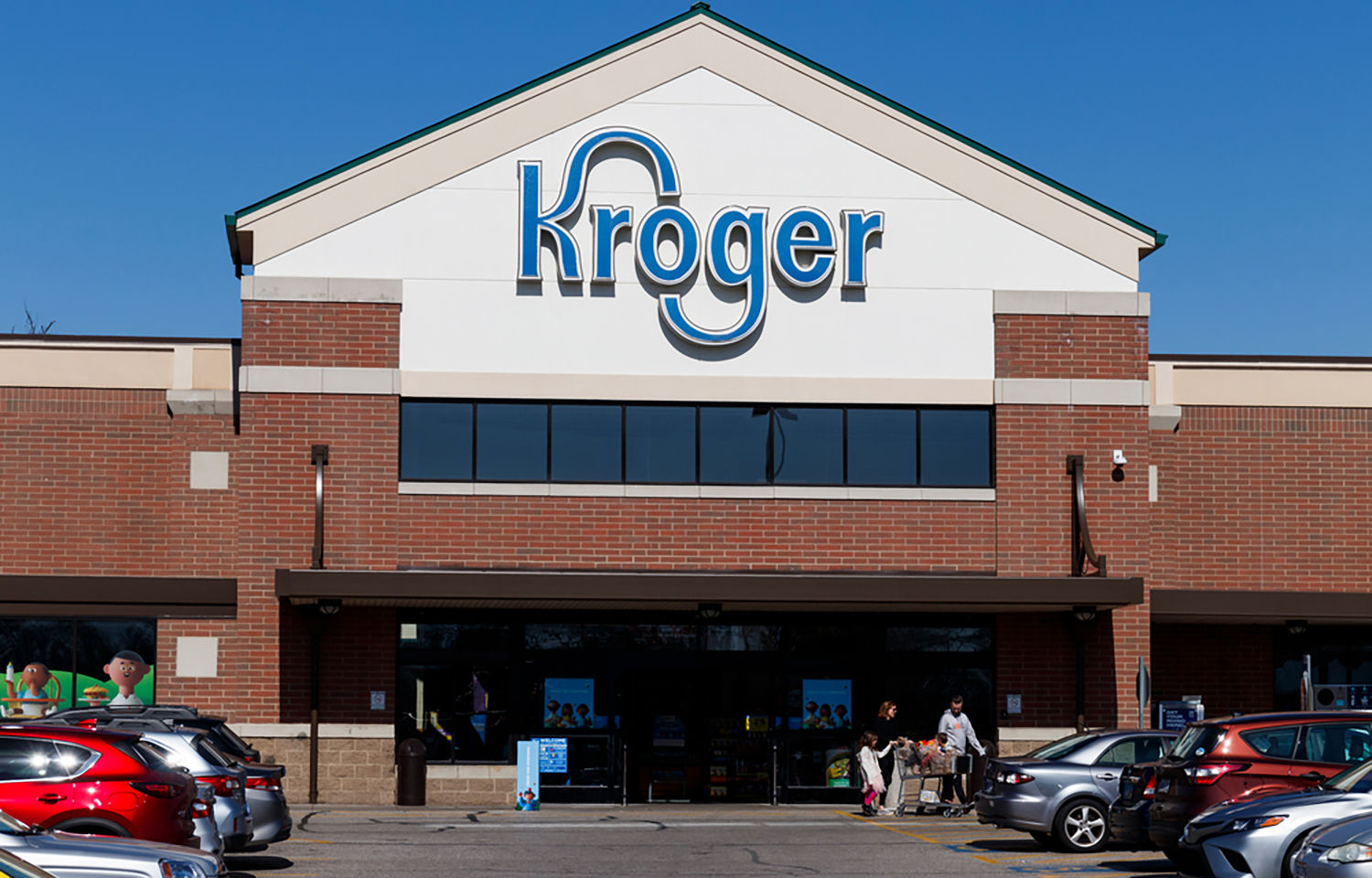
U.S. grocery chain Kroger has been accused of overcharging shoppers via price discrepancies on numerous products.
The alleged price discrepancies recently came to light through a monthslong investigation conducted by Consumer Reports, The Guardian, and the Food & Environment Reporting Network (FERN), which itself came about after Kroger workers in the U.S. state of Colorado who, during labor union negotiations, alleged widespread errors on price labels – a problem they said has been going on for years and that Kroger is aware of, per Consumer Reports.
The investigation took place at Kroger and Kroger-owned stores, including Harris Teeter, Fred Meyer, Fry’s, and Ralphs, in 14 U.S. states and the District of Columbia in March, April, and May. Shoppers found expired sales labels that led to overcharges on more than 150 grocery items, including cereal, beef, salmon, and dog food.
The average overcharge amounted to USD 1.70 (EUR 1.53) per item, or 18.4 percent, according to the report.
“Our findings suggest the typical Kroger shopper ends up paying far more for what they think are discounted items – all during a time of inflation and economic uncertainty,” Consumer Reports said.
In response, a Kroger representative told Consumer Reports that it is “committed to affordable and accurate pricing” and that it regularly conducts price checks that review “millions of items weekly to ensure our shelf prices are accurate.”
Additionally, sales price tag errors cited by Consumer Reports were just a “few dozen examples across several years out of billions of customer transactions annually,” the Kroger representative said.
“While any error is unacceptable, the characterization of widespread pricing concerns is patently false,” the representative said.
Despite the investigation and other challenges, Kroger recently announced it plans to hire 15,000 employees. The company is seeking cashiers, baggers, deli bakery clerks, pharmacy technicians, delivery drivers, and other positions that “enhance the customer experience.”
