






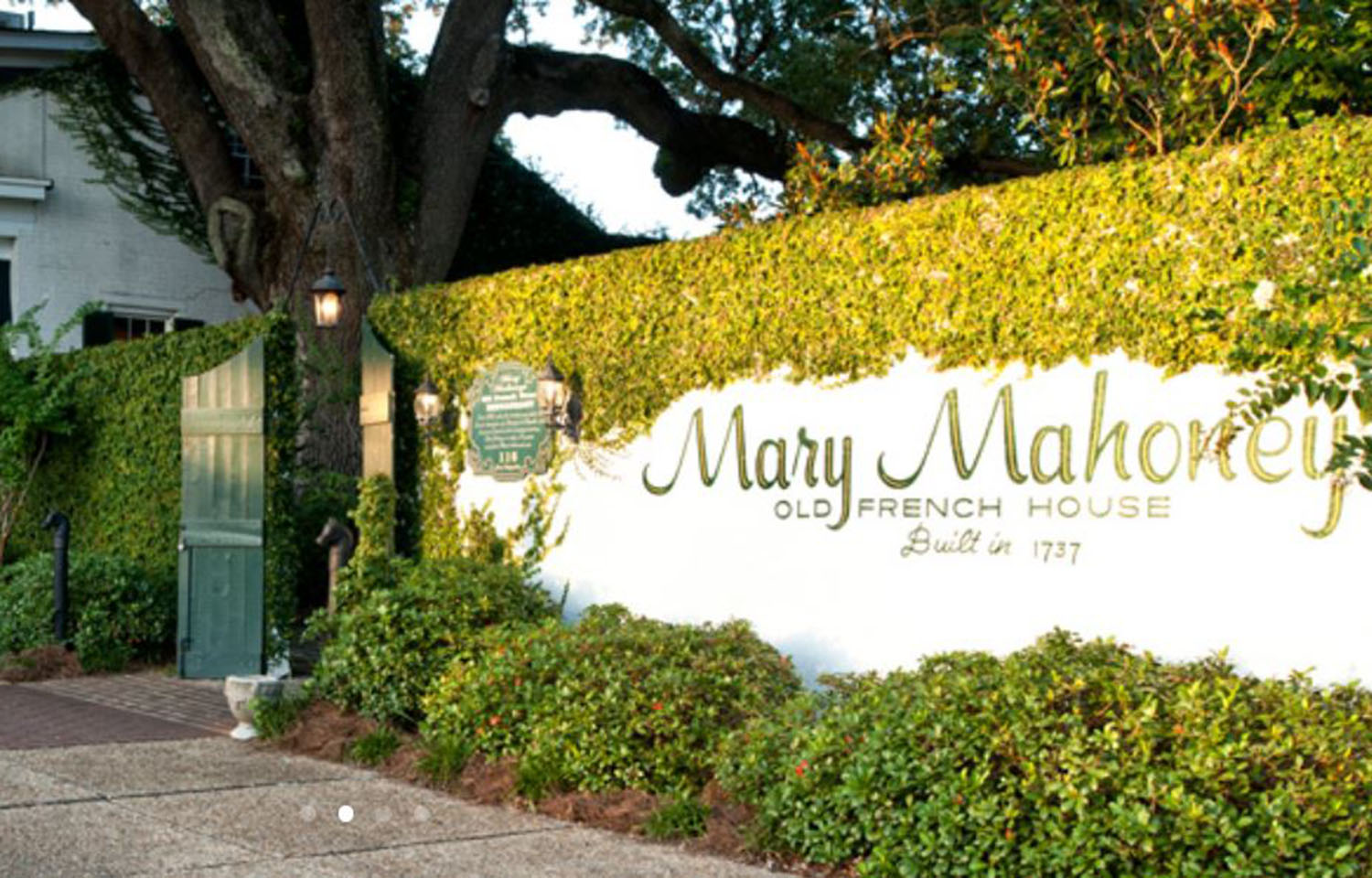
A restaurant in the U.S. state of Mississippi is facing a class-action lawsuit over selling imported seafood and promoting it as locally caught catch coming from the Gulf of Mexico.
The historic Biloxi, Mississippi, U.S.A.-based Mary Mahoney’s Old French House restaurant previously faced federal felony charges over the same issue.
Mary Mahoney’s owner, Bobby Mahoney, as well as co-owner Anthony Cvitanovich, pled guilty to federal charges of conspiracy, misbranding seafood, and wire fraud felony charges on 30 May, resulting in fines totaling USD 1.35 million (EUR 1.2 million).
Mahoney’s, founded in 1962, admitted to selling frozen imported fish from Africa, India, and South America and advertising them as locally sourced premium species between December 2013 and November 2019, according to information provided by the U.S. Attorney’s Office for the Southern District of Mississippi. Cvitanovich admitted that between 2018 and 2019, he was involved in mislabeling approximately 17,190 pounds of fish sold at the restaurant.
“The scheme involved the fraudulent sale of fish by Mahoney’s and its wholesale supplier that was described on Mahoney’s menu as premium higher-priced local species, such as snapper and grouper from the Gulf of Mexico, when the fish was actually other species from abroad, including Lake Victoria perch from Africa, tripletail from Suriname, and unicorn filefish from India,” the U.S. Attorney’s Office said.
Genetic testing of fish by the U.S. Food and Drug Administration (FDA) confirmed the fraudulent scheme, the government said.
The mislabeled seafood was a mistake with a certain dish that has since been fixed, lawyers for Mahoney and Cvitanovich said at the time, according to The SunHerald.
In the lawsuit, the plaintiff, Todd McCain from Alabama, alleges he purchased what the restaurant claimed was snapper three times between 2013 and 2018. The complaint alleges the restaurant and Cvitanovich engaged in racketeering in violation of the Racketeer Influenced and Corrupt Organizations Act. The suit is asking for damages to be paid to customers who purchased foreign fish at Mary Mahoney’s between January 2012 and November 2019, up to USD 10,000 (EUR 9,114) each.
An unnamed seafood wholesaler, along with its business manager and other executives, are named as co-conspirators in the suit. The complaint also lists several “doe defendants.”
The complaint alleges that the unnamed seafood wholesaler and its business manager and sales manager participated in the scheme by “importing, pricing, and selling the inexpensive foreign fish, knowing full well that they were going to be fraudulently substituted as high-priced premium fresh fish, when co-conspirators Mary Mahoney’s and Cvitanovich participated by mislabeling, marketing, and selling the foreign fish to plaintiff and the class.”
The complaint includes detailed text messages between the wholesaler’s business manager and sales manager and Cvitanovich.
“Still have no triple tail. I’m sending you trigger-style fish 8-10 to use till we get it back in stock. An employee of [the seafood wholesaler] is using it already instead of triple tail at the [local restaurant] and said he has used it for grouper snapper and triple tail with no complaints. And it’s cheaper than triple tail,” one message allegedly said.
In a January 2018 email, a purchasing agent employed by the seafood wholesaler notified its business manager, sales manager, and other employees of the seafood wholesaler that “due to the shortage on snapper, we will be substituting triple tail for all snapper.” The tripletail was imported from Suriname, South America, the complaint said.
Additionally, on 19 September 2018, while an authorized federal search of the seafood wholesaler’s premises was underway, Cvitanovich sent a text message to the wholesaler’s sales manager ordering imported frozen African Lake Victoria perch, “which Mary Mahoney’s regularly mislabeled and sold to customers as local Mississippi Gulf Coast snapper,” the complaint said.
The wholesaler’s business manager told federal agents he was not aware of any restaurant customer mislabeling and selling fish bought from the company as something other than what it was, “such as selling a cheap fish as an expensive one,” according to the complaint.
The sales manager told federal agents that any mislabeling of fish by the wholesaler was inadvertent and he did not know of any mislabeling of fish by the restaurants to which the wholesaler sold seafood.
