




Modesto, California, U.S.A.-based Save Mart has managed to defy national trends and increase its seafood sales.
The company, which operates 194 stores – 140 Save Mart and Lucky grocery stores along with 54 FoodMaxx value-format stores – told SeafoodSource a combination of emphasizing local, fresh seafood and a price discounting campaign have managed to keep its sales steady year over year.
“Some categories, particularly those tied to broader basket-building promotions, have shown growth, even as value-conscious consumers shift toward more affordable proteins,” Save Mart Vice President of Meat and Seafood Bill Booth told SeafoodSource
Save Mart’s “Lower Prices” initiative that started in April – slashing prices on more than 4,000 grocery items in its Save Mart and Lucky stores – has been particularly effective in the stores’ seafood departments, Booth said.
“Today's shoppers are highly attuned to value. At Save Mart and Lucky, we've got our customers' backs with lower prices on thousands of items they need most, including key seafood proteins,” Booth said.
In its frozen seafood department, which includes over 100 SKUs in most stores, many items now feature red “Lower Price” tags, making it easy for shoppers to identify savings throughout the section, Booth said.
The Lower Prices campaign includes “significant price reductions” on many of its most popular seafood items such as whole Atlantic salmon fillets for USD 8.99 (EUR 7.70) per pound, “ensuring families can continue to enjoy quality seafood without stretching their grocery budgets,” Booth noted.
In addition to the Lower Prices program, the company meets shoppers’ needs with weekly promotions on core seafood items like shrimp and salmon fillets, as well as its USD 5.00 (EUR 4.30) and USD 10.00 (EUR 8.60) Everyday Value Program, according to Booth.
In the frozen seafood department, Save Mart and Lucky stores offer a variety of 2-pound bags of various seafood items for USD 10.00.
“This aligns perfectly with our broader Lower Prices campaign ... [and] this value-driven approach has resonated with customers, particularly millennial shoppers, by encouraging trial and boosting repeat purchases,” Booth said.
Additionally, Booth said Save Mart and Lucky’s Weekend Seafood Roadshows, which offer a specialty item for a specific weekend only, generate excitement and highlight premium quality at accessible price points, helping to reinforce loyalty and drive traffic to the department. Examples include fresh ahi tuna steaks (8-ounce) for USD 4.99 (EUR 4.30) or wild lobster tails for USD 5.99 (EUR 5.16) each.
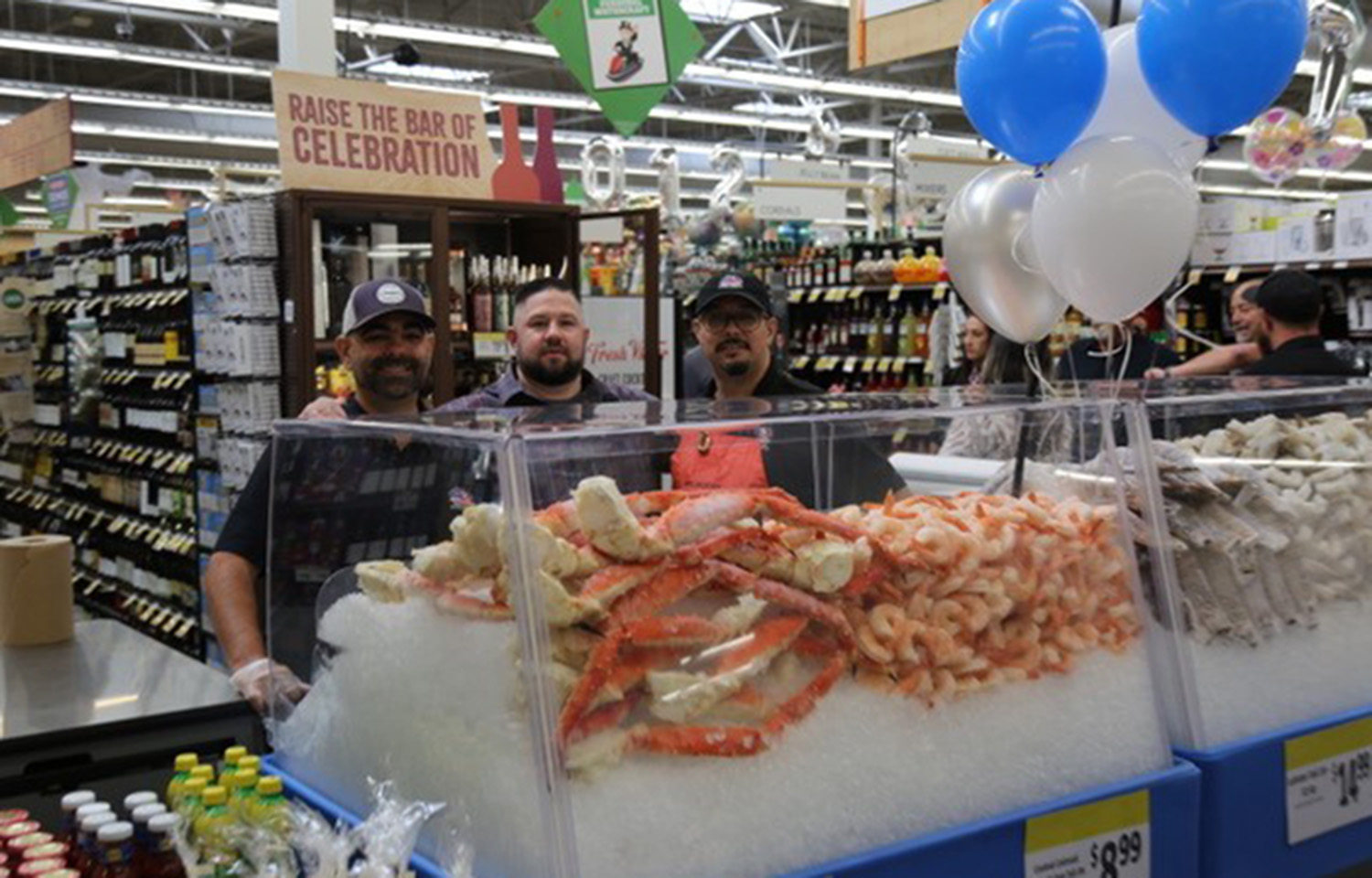
“We ran this program heavily during the Lenten season. We also like to offer Seafood Roadshows at grand opening or re-grand opening store events to bring some exciting offerings like colossal king crab legs to our customers,” Booth said.
Booth said that on top of the deep price cuts, Lucky and Save Mart have boosted seafood sales by focusing on sourcing sustainable, local seafood. Their “Dock to Plate” program, which rolled out in February 2024, builds on The Save Mart Companies’ “longstanding relationships with West Coast fisheries to reinforce a commitment to transparent sourcing and exceptional service.”
The company partners with Southwind Foods/Great American Seafood Import Co. in Carson, California, U.S.A., to sell species like Pacific rockfish, Atlantic salmon, black cod, tilapia, and shrimp.
The program includes a “fresh catch of the week,” seafood and wine pairings with McManis Vineyards, external media and digital support, and documentary-style content captured from San Francisco, California, and San Pedro, California, harbors.
Save Mart and Lucky stores also include an expansive fresh seafood department that is 36 square feet on average.
“Shoppers can find 20 varieties in our full-service case alone and over 500 items throughout the full department,” Booth said.
In-store activations and dedicated fishmongers at select Save Mart and Lucky locations offer guests “expert guidance and meaningful opportunities to connect with the people and places behind their food,” Booth said.
At the stores’ fresh seafood counters, Save Mart provides shoppers with information on sourcing and sustainability via “expertly trained associates,” he added.
While the company has not expanded its shelf-stable seafood options in recent months, it “continues to evaluate category trends and emerging consumer demand, especially as pantry-stable proteins grow in popularity,” Booth said.
“As part of our Lower Prices campaign, we're constantly evaluating opportunities to bring more value to our customers across all departments, including shelf-stable seafood options,” he said.
Booth said the company has new stores in the pipeline to continue expanding its reach across Northern and Central California and Northern Nevada.
