






A few major U.S. retailers are introducing or plan to introduce price-slashing measures as American consumers continue to state their concerns over tariffs.
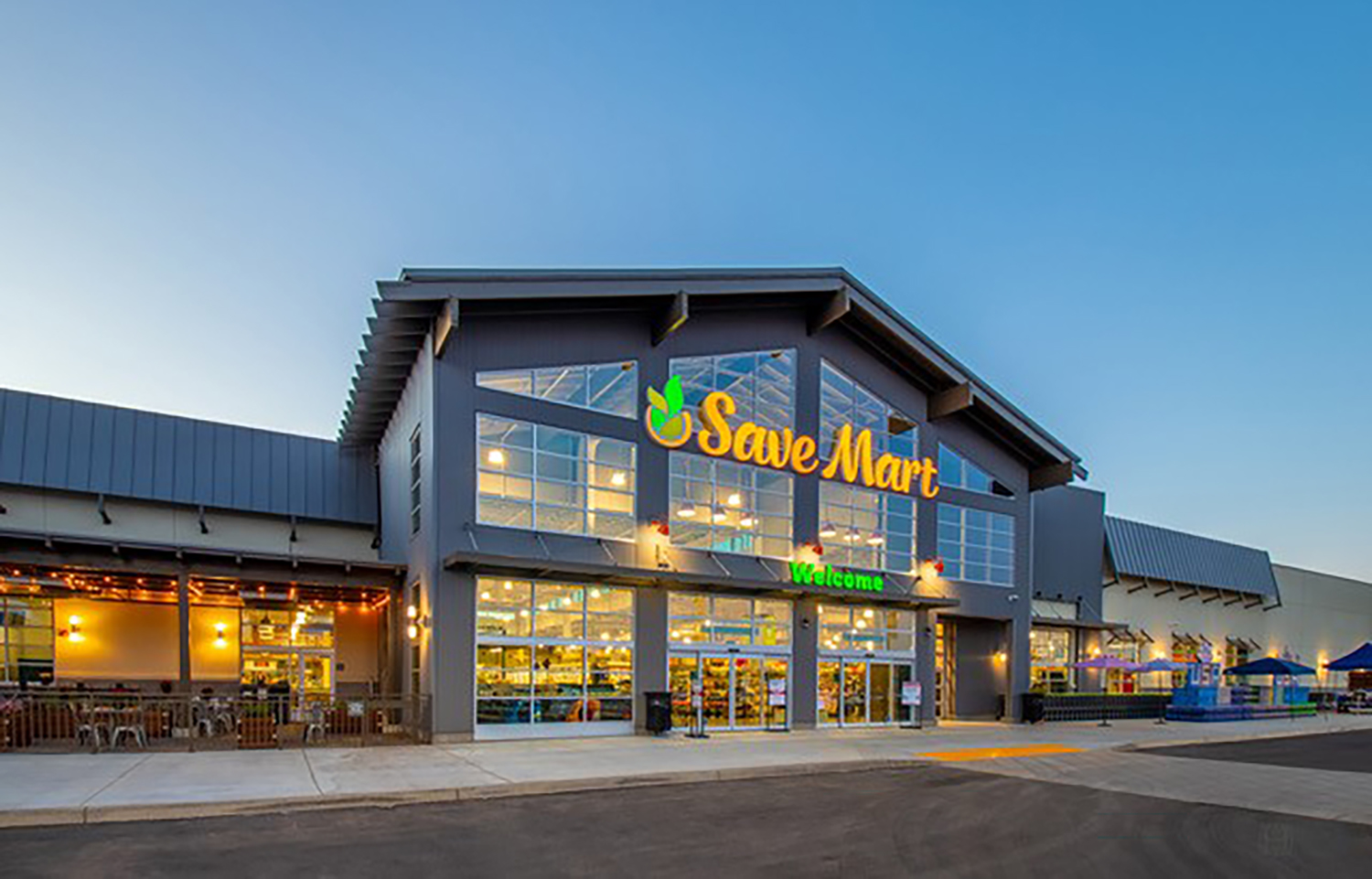
Modesto, California, U.S.A.-based Save Mart Companies, which operates more than 200 stores across California and Nevada, said it would cut costs on more than 4,000 grocery items in its Save Mart and Lucky stores.
“As families across the nation are grappling with inflation and economic uncertainty, we knew it was time to act,” Save Mart Companies President Jim Perkins said, per Progressive Grocer. “Shoppers deserve a break, and this aggressive campaign is designed to bring affordability back to the table.”
The company is “making a significant price investment and negotiating with our supplier network” to cut rising costs, Perkins added.
Signaling its intention to implement a similar campaign, Walmart widened its operating income outlook for the first fiscal quarter of 2025, which runs through April, to “maintain flexibility to invest in price as tariffs are implemented,” the retailer said, per CNBC.
Walmart is “still working through what this [new tariff environment] means for us,” Walmart CFO John David Rainey said during an investor presentation. While about two-thirds of what Walmart sells in the U.S. is made, grown, or assembled in the U.S., China and Mexico are the “most significant” sources of the remaining one-third of products the company imports, according to Rainey.
“The uncertainty and decline in consumer sentiment has led to a little more sales volatility week to week and, frankly, day to day,” Rainey said.
At the same time, the company has maintained its financial outlook of achieving between a 3 percent and 4 percent sales increase for the quarter.
The announcements from Save Mart and Walmart come after retailers like Landover, Maryland, U.S.A.-based Giant Food expanded its “Fresh Low Prices” initiative in January, lowering prices on hundreds of items across its private-brand portfolio. The initiative’s expansion has included slashed prices on “essential items,” according to the company, including a widened list of fresh produce, dairy, meat, seafood, and pantry staples.
Retailers are aiming to respond to the concerns of U.S. consumers, who are “not feeling great given the confusion of policy announcements from Washington,” National Retail Federation Chief Economist Jack Kleinhenz said in a press release.
"On-again, off-again rising tariffs and resulting turmoil in the stock market and world economy are clearly impacting consumer concerns about higher prices and future consumer spending growth,” he said.
U.S. seafood sales soared in March, partly due to consumer concerns over tariffs that led to stockpiling behavior.
