




Both bodies of the South Carolina state legislature have passed a bill requiring country-of-origin labeling for all shrimp sales in the state, though differences between the two versions will need to be sorted out before the bill becomes law.
On 14 April, the South Carolina House of Representatives passed HB4248, legislation requiring all shrimp sold in the state to have a clear label noting its country of origin.
The legislation is largely a response to genetic testing conducted by Houston, Texas, U.S.A.-based SeaD Consulting, with the firm claiming 40 of 44 restaurants tested in Charleston, South Carolina, U.S.A., were selling imported shrimp. SeaD Consulting accused those companies of “misleading consumers in their branding, menu descriptions, or proximity to local docks,” calling more than half of the restaurants “outright fraudulent.”
“This is not only deceptive but also insulting to the hardworking shrimpers whose livelihoods are being undermined,” SeaD Consulting Founder and COO Erin Williams said in a statement. “It’s decimating the entire regional economy and culture they’ve worked for generations to build and promote.”
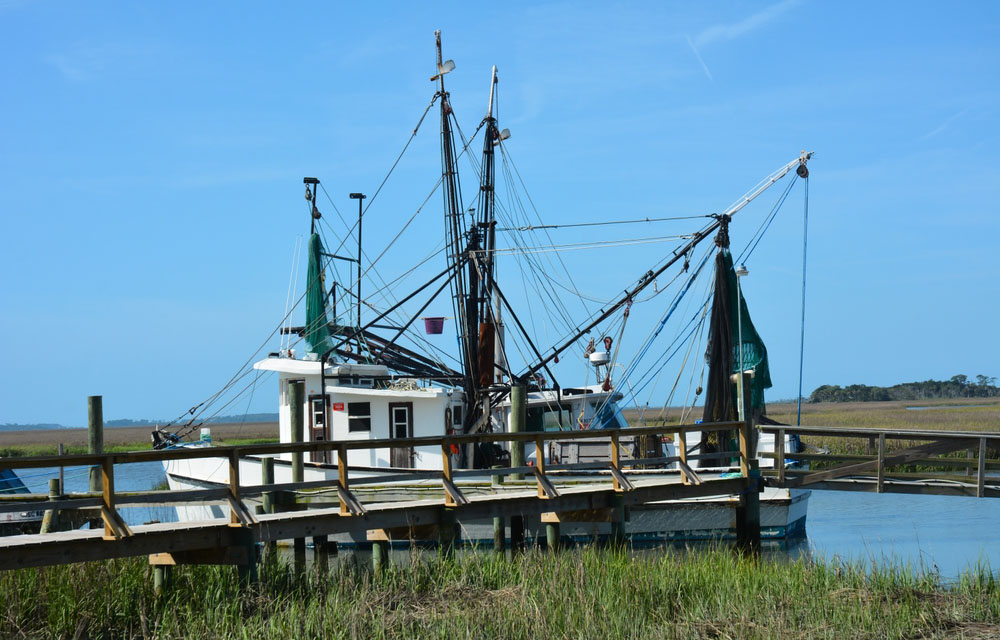
The results drew outrage from the South Carolina shrimping sector, and the South Carolina Shrimpers Association sued the companies for falsely presenting imported shrimp as a local product.
“It’s illegal to say that a product is from South Carolina when it’s not, and similarly, federal law prohibits the mislabeling of the origins of seafood. It’s simply illegal at a state and federal level,” South Carolina Shrimpers Association Attorney Gedney Howe said, according to local news outlet WCSC-TV.
However, the lawsuit was ultimately dismissed by a district court in November 2025, which ruled that the plaintiffs had no legal standing to sue.
“We are incredibly disappointed that a judge dismissed our ‘Shrimpgate’ lawsuit, denying us the chance to present the undisputed DNA evidence of shrimp fraud in the Lowcountry,” the association said at the time. “This ruling hurts shrimpers, consumers, and the many honest restaurants that work hard to serve you real local shrimp. Once again, it feels like big money is winning over the truth.”
HB4248 represents an attempt to instead find a legislative solution to the shrimpers’ complaints by effectively barring restaurants from selling imported shrimp as a local product.
“South Carolina’s shrimpers built a heritage and an economy that feeds our communities and supports our coast. But, too often, consumers are served imported shrimp without knowing it. Transparency matters,” the Law Offices of Gedney M. Howe, IV said in a social media post. “That is why we support [this] legislation that would require country-of-origin labeling for shrimp and shrimp products sold in South Carolina. Consumers deserve to know what they are buying, and our local fishermen deserve a fair and honest marketplace. Clear labeling protects consumers, strengthens our coastal economy, and helps preserve one of South Carolina’s most important working waterfront traditions.”
The House passed the bill unanimously, sending it onto the Senate for approval. However, state senators sought to strengthen the legislation further, ensuring that shrimp caught in other parts of the U.S. cannot be sold as “local.”
“All foodservice establishments including, but not limited to, a restaurant, cafeteria, food stand, saloon, tavern, bar, lounge, or other similar facility engaged in the business of selling ready-to-eat food to the public shall not advertise or otherwise make claims to serve ‘local shrimp’ unless the shrimp served has been harvested from the waters of South Carolina,” the bill states.
While the legislation does have some overlap with federal country-of-origin labeling (COOL) requirements, advocates say the bill would enable state enforcement of shrimp fraud.
State lawmakers in the House will have to pass the Senate’s version of the bill or negotiate a compromise bill that will pass both bodies before sending it on to the governor to be signed into law.
