




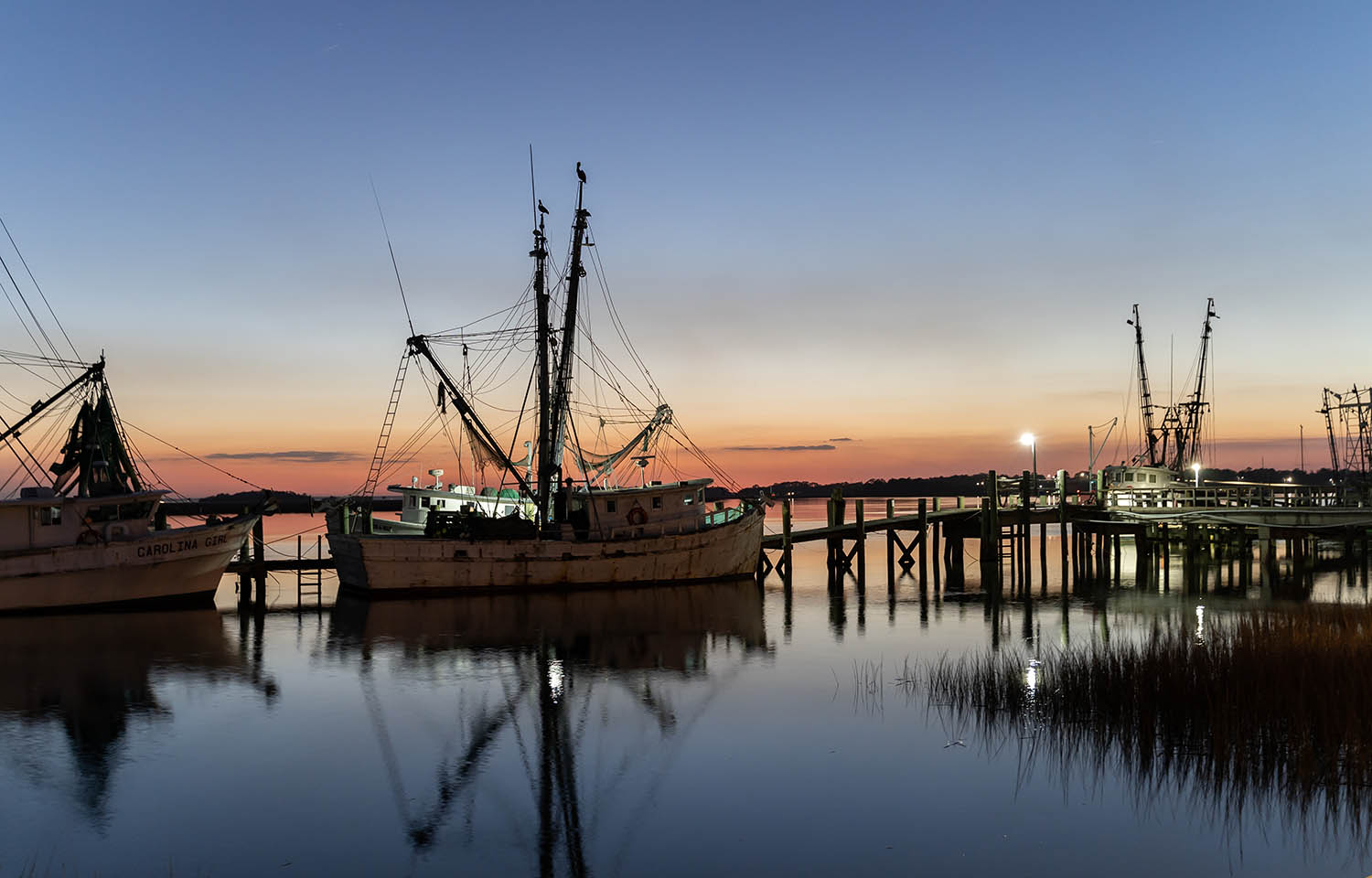
A federal judge has dismissed the lawsuit brought by the South Carolina Shrimpers Association, which alleged that local restaurants had violated federal and state law in selling imported shrimp.
“We are incredibly disappointed that a judge dismissed our ‘Shrimpgate’ lawsuit, denying us the chance to present the undisputed DNA evidence of shrimp fraud in the Lowcountry,” the association said in a statement. “This ruling hurts shrimpers, consumers, and the many honest restaurants that work hard to serve you real local shrimp. Once again, it feels like big money is winning over the truth.”
The association sued roughly 40 restaurants in June 2025 after DNA testing conducted by SeaD Consulting revealed 40 of 44 restaurants tested in Charleston, South Carolina, U.S.A., were selling imported shrimp. The company has been conducting DNA testing of shrimp sold in seafood restaurants and festivals along the United States’ Gulf Coast, revealing many of them are selling imported shrimp. The group further claimed that many of these restaurants implied the foreign shrimp they served was actually domestically sourced, and in the Charleston testing, SeaD Consulting alleged that 40 of the 44 restaraunts “were misleading consumers in their branding, menu descriptions, or proximity to local docks.”
“This is not only deceptive but also insulting to the hardworking shrimpers whose livelihoods are being undermined,” SeaD Consulting Founder and COO Erin Williams said at the time. “It’s decimating the entire regional economy and culture they’ve worked for generations to build and promote.”
In response to those filings, the South Carolina Shrimpers Association sued local restaurants who had been caught serving imported shrimp, alleging that doing so violated both the federal Lanham Act and the South Carolina Unfair Trade Practices Act.
However, U.S. District Judge Richard Gergel found that the association did not have legal standing to sue the restaurants after it could not demonstrate how the restaurants’ actions had harmed the association or its members or violated the law.
“The Amended Complaint does not identify a single customer who withheld or canceled business with Plaintiff,” Gergel wrote. “Nor does it specifically allege any number of diverted sales or loss of goodwill and reputation directly attributable to Defendants’ alleged misrepresentations regarding the origins of their shrimp. In the absence of such factual allegations, Plaintiff has not adequately pled the requisite proximate cause between its purported injury and Defendants’ alleged misconduct.”
“The Amended Complaint fails to state a claim for which relief can be granted,” Gergel concluded.
“This case was baseless from the very beginning,” defense counsel Robert Wyndham told local outlets. “It was a harmful and unfounded attack on dozens of hardworking local business owners who not only serve the Charleston community day in and day out, but also contribute greatly to our local economy. These restaurants, along with our local shrimpers, are part of what makes the Lowcountry special. It’s time we focus on supporting one another rather than tearing each other down.”
In a statement provided to WCSC, the Southern Shrimp Association was highly critical of the judge’s ruling.
“The truth is the DNA test results show a clear pattern of fraud that hurts honest businesses and puts consumers at risk,” South Carolina Shrimpers Association Vice President Bryan Jones told WCSC. “When we see recalls of imported shrimp for things like banned chemicals and even radioactive isotopes, and then a court denies us the chance to litigate the proof of fraud, it sends a clear message: big money and deception matter more than our families and the safety of your food. We want to feed our communities, and we won’t stop fighting until the consumer has the right to know exactly what’s on their plate."
The association said it is considering what actions it can take now, hinting at a forthcoming response.
“But our fight is far from over! We are committed to protecting our fleet, ensuring your food safety, and supporting the good businesses doing the right thing," it said. "We are exploring all options and will keep fighting for you. Stay tuned—we’ll have more to share soon!”
