






Sales within most seafood categories rose at U.K. retail last year, and U.K. grocery sales are up to start 2025, according to new data.
Total seafood sales increased 3.2 percent for the year ending 5 October 2024 to GBP 4.6 billion (USD 5.8 billion, EUR 5.5 billion), according to data in U.K. public body Seafish’s 2024 Ambient Seafood in Multiple Retail report.
Fresh/chilled sales realized the highest value growth of any category – 5.1 percent – during the period, but ambient sales were not far behind at 4.6 percent year-over-year growth. Frozen seafood sales, on the other hand, declined 2.3 percent.
More specifically, the prepared ambient seafood segment realized solid growth, with sales by value rising 5 percent to GBP 578 million (USD 723 million, EUR 694 million).
Tuna remained the top-selling ambient seafood species by both volume and value, reaching GBP 1.1 billion (USD 1.4 billion, EUR 1.3 billion) in sales for the year and accounting for 45 percent of ambient sales.
The report also looked at seafood sales over the past eight years, finding that cod, octopus, sardines, and mackerel showed the highest volume growth of between 22 percent to 80 percent, while ambient pollock realized the highest sales by value growth, spiking 6,592 percent in the period.
“Being a relatively new product to U.K. retail, minimal quantities were purchased in 2018,” Seafish said.
In other positive news for the nation’s retailers, take-home sales across U.K. grocery chains rose by 4 percent in January 2025, according to data from research firm Kantar, after achieving record Christmas sales in December. Additionally, grocery price inflation slowed to 3.3 percent in January.
The rise in January sales can be attributed to several retailers’ aggressive price discounts along with consumers seeking healthier foods, according to Kantar.
“Supermarkets were dishing out the discounts this New Year, and consumers responded,” Kantar Head of Retail and Consumer Insight Fraser McKevitt said, adding that spending on promotions spiked by GBP 274 million (USD 340 million, EUR 329 million) and accounted for 27 percent of sales in the month – the highest level in January since 2021.
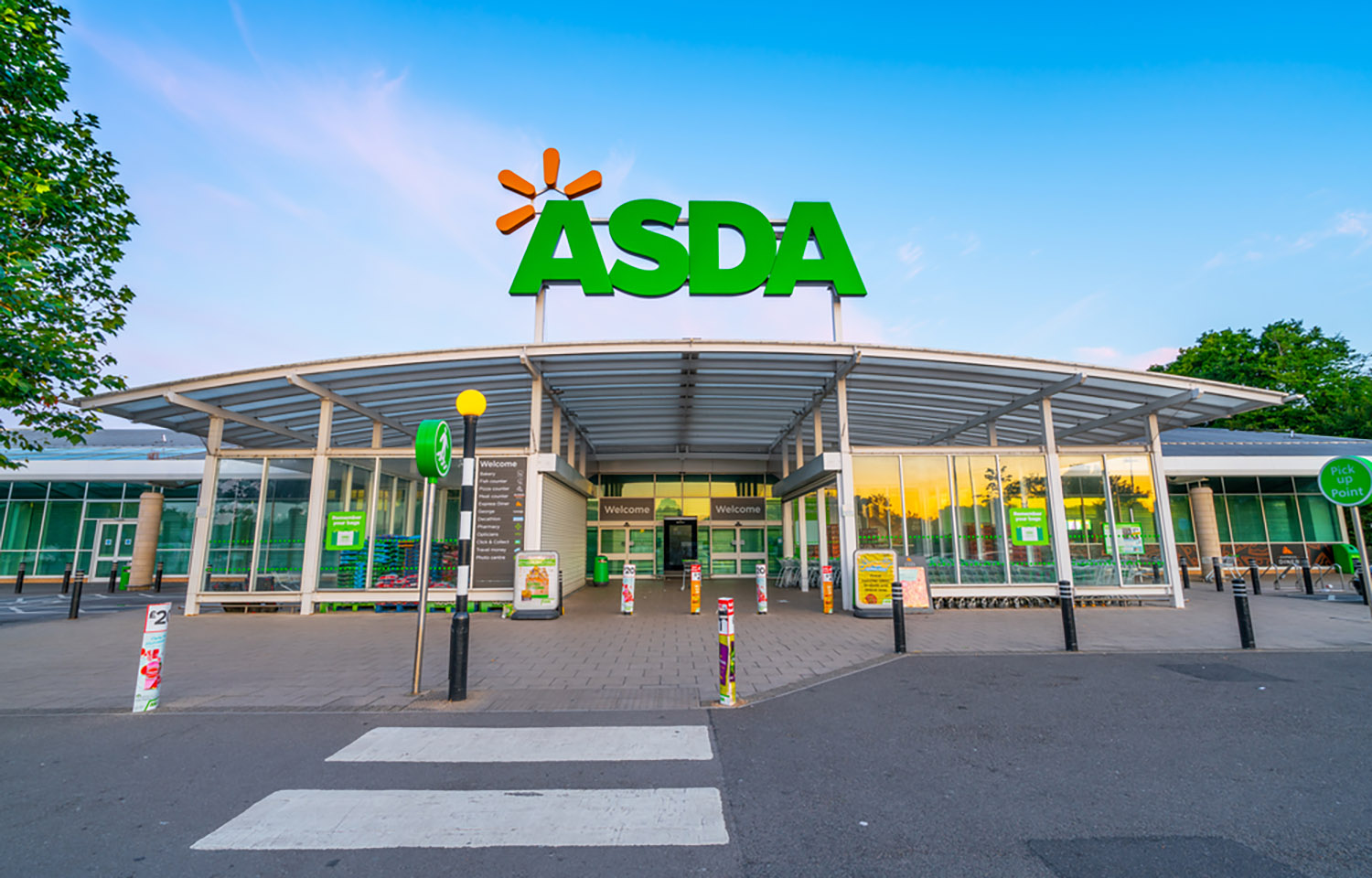
For instance, Asda’s “Big Jan Price Drop” initiative cut prices by an average of 26 percent on more than 2,500 products. In addition to chicken breasts, cheese, and other products, Asda reduced the price on its own-brand 240-gram salmon fillets from GBP 4.50 (USD 5.60, EUR 5.40) to GBP 3.00 (USD 3.70, EUR 3.60) each.
Iceland Foods also included a range of lower seafood prices in its new “Mega Deals” event, featuring an expanded GBP 1.00 (USD 1.25, EUR 1.20) or less range of over 1,000 products, as well as other price promotions.
Shoppers also turned to non-branded products to help keep costs down; therefore, own-label products as a proportion of sales hit a record high of 52.3 percent in January, according to McKevitt.
“Spending on supermarkets’ own lines was up 5.4 percent, helped by consumers buying premium own-label products in the couple of days leading up to New Year’s Eve,” he said.
Additionally, Brits purchased more healthy foods in January. More than 10 percent of the average consumer’s January grocery bill was spent on fresh fruit, vegetables, and salad, according to Kantar.
“Rolling into the new year, health tends to play a bigger role in our grocery choices. Over a quarter of take-home food and drink in January is chosen with health at least partially in mind, as shoppers tell us they want to eat less processed food and feel the benefit of fiber and vitamins,” Kantar Business Unit Director for Usage and Out-of-Home Nathan Ward said.
Kantar does not provide seafood sales data, but the company noted that protein and sports nutrition product sales also soared in January due to shoppers buying healthier items.
Despite the positive grocery sales news, three of the nation’s largest supermarket chains have announced massive layoffs so far this year.
In January, Sainsbury’s announced it would slash 3,000 jobs and streamline divisions, resulting in a proposed 20 percent reduction of senior management positions. In late January, Tesco also said it would cut 400 jobs from stores and its head office, per Reuters.
Similarly, Morrisons is planning to cut 200 jobs after a review of its structure.
