






The British Retail Consortium (BRC) is expecting food inflation to reach over 4 percent in the U.K. by the second half of 2025 after grocery prices rose 2.1 percent in February year over year.
“Inflation will likely rise across the board as the year progresses with geopolitical tensions running high and the imminent GBP 7 billion [USD 9 billion, EUR 8.4 billion] increase in costs from the Autumn Budget and the poorly designed packaging levy arriving on the doorsteps of retailers,” BRC CEO Helen Dickinson said.
If the U.K. government intends to keep inflation at bay and help retailers grow, it “must mitigate the swath of costs facing the industry,” Dickinson said.
“It can start by ensuring no shop ends up paying more than they already do under the new business rate proposals and delaying the new packaging taxes,” she said.
Though inflation is expected to rise, the predicted totals come nowhere near the highs seen in 2023, when grocery inflation spiked to over 17 percent.
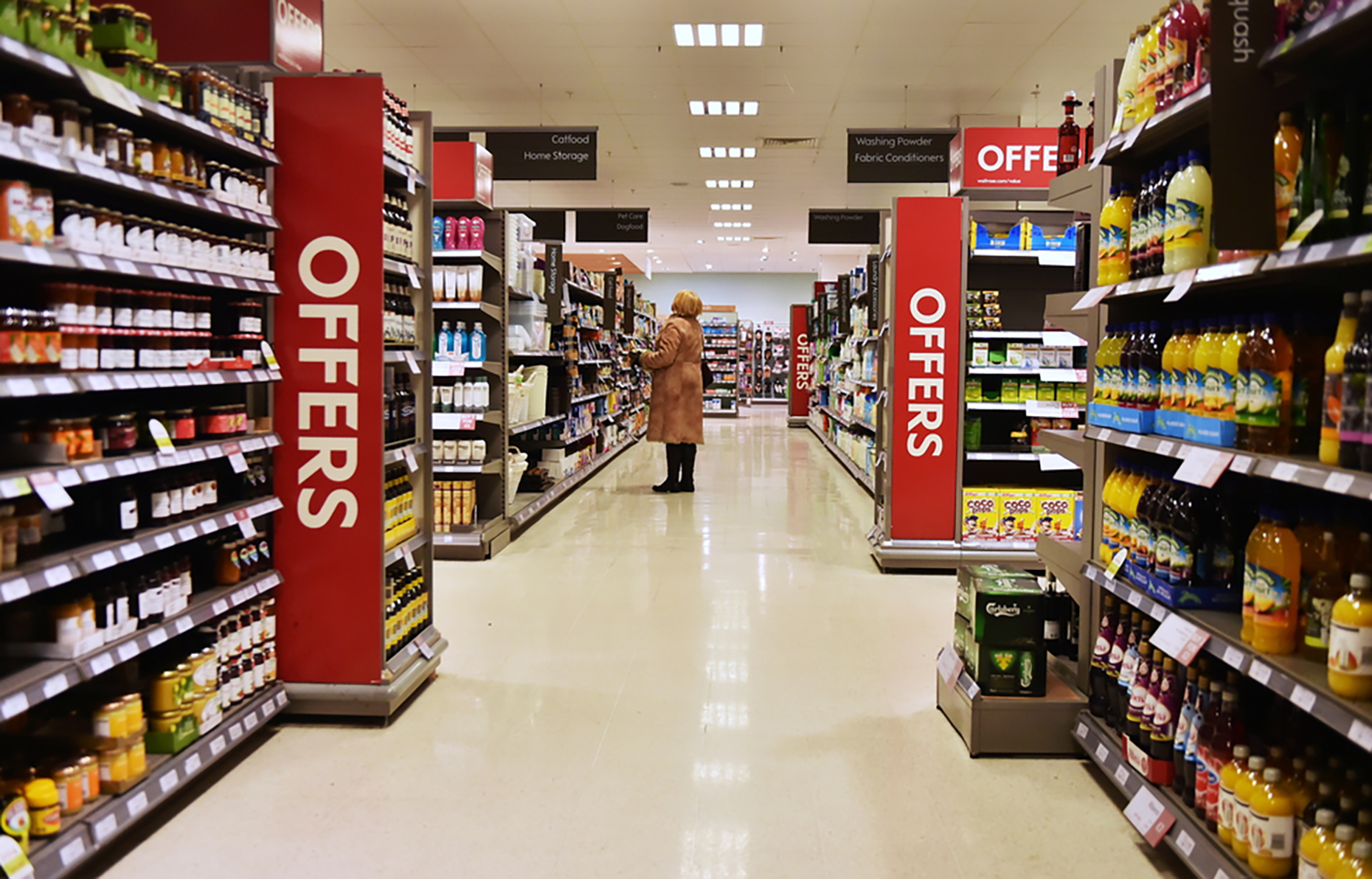
Still, this anticipated rise in food inflation comes at a time when more shoppers are looking for value, as items bought on offer accounted for 27.6 percent of all sales in February, marking an increase of 0.3 percentage points compared to last year, according to research firm Kantar. Discount retailers like Lidl and Aldi are also securing their highest U.K. grocery market shares, signaling that consumers are looking to save.
Additionally, individual households visited just under five different grocers in February, the lowest level in February since 2021, according to Kantar Head of Retail Sally Ball, which suggests that the search for value will continue.
"The growth of supermarket loyalty schemes is partly behind this as shoppers use them to unlock exclusive discounts,” she said.
As the five-year anniversary of the initial Covid-19 lockdown approaches, Ball said that some consumer shopping and eating habits, such as preferring convenience meals and conducting research in order to find a bargain, have stuck, and retailers will have to adapt accordingly.
“People are taking less time to prepare meals, and prep time in the evening, for example, has declined from almost 34 minutes in 2020 to 31 minutes in 2024,” she said.
Another Covid trend that has stuck around has been online shopping, Ball said, as it secured a 12.3 percent market share in February 2025 versus 8.6 percent in February 2020.
