






Retailers in the U.S. are vying to capitalize on an estimated increase in American grocery spending as the country's Thanksgiving holiday approaches.
Around 34 percent of U.S. consumers anticipate spending more on groceries for Thanksgiving this year, which will take place on 28 November, than normal – but those consumers said they're also not planning to cut back their purchases according to new Circana research.
Thanksgiving remains one of the biggest food-centric holidays of the year in the U.S., generating a USD 2.4 billion (EUR 2.3 billion) lift in sales in 2023 alone, which was second only to Christmas, Circana said.
The typical Thanksgiving basket will cost shoppers 2 percent more compared to 2023, but will cost an estimated 26 percent more than in 2020, according to Circana data analyzed by 210 Analytics.
According to data and tech company Numerator, 32 percent of shoppers said they will spend between USD 100 (EUR 95) and USD 199 (EUR 190) on their Thanksgiving items, while 31 percent of shoppers said they will spend between USD 50 (EUR 48) and USD 99 (EUR 94).
These figures should especially help retailers, because 87 percent of consumers plan to celebrate Thanksgiving this year, according to Numerator, with 70 percent of Americans planning to attend gatherings and around 55 percent planning to cook or bake at home.
“Thanksgiving offers a unique opportunity for manufacturers and retailers to connect with consumers who are navigating high prices while still prioritizing cherished traditions,” Circana Vice President of Content and Thought Leadership Joan Driggs said. “By focusing on solutions that blend convenience, value, and creativity, businesses can help shoppers celebrate in meaningful ways – whether through promotions on staple items, inspiration for new traditions, or offerings that make hosting and gifting easier.”
Nearly three-quarters of Thanksgiving shoppers will purchase the ingredients for their holiday meals at traditional grocery stores, according to Numerator, followed by 49 percent of consumers turning toward larger retailers like Walmart or Costco.
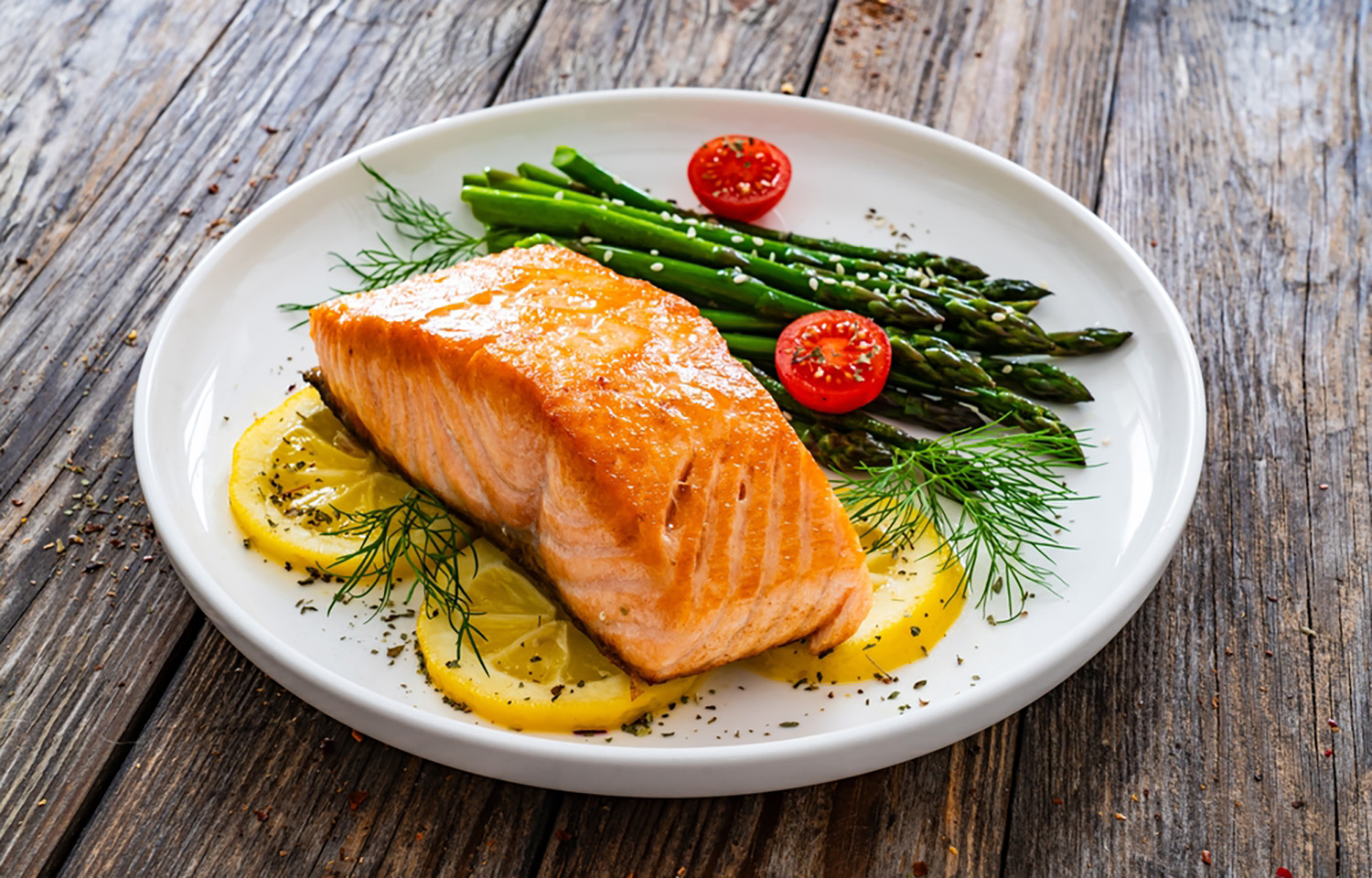
Online and brick-and-mortar seafood retailers are also trying to get a share of this year’s predicted sales boost, promoting their products toward consumers aiming to continue old traditions or create new ones.
“While Thanksgiving is all about tradition, a little twist can make it even more memorable,” Boston, Massachusetts, U.S.A.-based Legal Sea Foods said in an email to customers. "This year, delight your guests with unforgettable dishes that bring a touch of indulgence to the traditional Thanksgiving spread.”
The company’s e-commerce arm is offering a 20 percent discount on featured Thanksgiving items through 25 November. They include a lobster tail box, lobster mac and cheese, live lobsters, New England clam chowder, and raw shrimp.
Similarly, City Fish Market, a wholesaler, retailer, and restaurant operator based out of Wethersfield, Connecticut, U.S.A., is promoting seafood as both a unique and healthier choice for Thanksgiving meals.
“In addition to deliciousness, Thanksgiving seafood dishes deliver health advantages that far surpass those offered by classic American fixings. We’re talking about such benefits as power-packed omega-3 fatty acids,” the company said on its website.
Because the Thanksgiving season is the peak season for blue crabs, City Fish suggested its customers make blue crab cakes and baked crab rangoons as appetizers, offering recipes to help guide consumers during the cooking process. The retailer also suggested its air fryer tilapia and cod au gratin recipes for Thanksgiving entrees.
Though holiday food choices are largely determined by family traditions, Thanksgiving offers a significant opportunity to sell more seafood – both for the main meal and for small-plate entertaining purposes, 210 Analytics Principal Anne-Marie Roerink told SeafoodSource.
A little more than half of Americans served more than one protein option for Thanksgiving last year, according to the Food Industry Association’s 2024 Power of Meat report, Roerink said.
“This included doubling up on proteins for the actual Thanksgiving dinner but also different choices for the days leading up to or post-Thanksgiving when family and friends were over,” she said. "While leftover meals with turkey are tradition, too, at a certain point, people are ready for something very different, and that can be seafood.”
