





Analysts and retailers are optimistic U.S. seafood sales will be solid this Thanksgiving holiday.
Ninety-one percent of U.S. consumers plan to celebrate Thanksgiving, while 5 percent are undecided, according to research firm Numerator, and more consumers – 61 percent versus 54 percent in 2022 – plan to cook this year.
Research firm Circana expects strong Thanksgiving grocery sales, as 79 percent of consumers say they and their families will celebrate Thanksgiving with their usual traditions. Thirty-four percent of those who plan to celebrate said they expect to pay more for groceries, but will purchase the same amount as last year regardless.
“We’re expecting a strong Thanksgiving overall for the at-home retail world in 2023,” Circana Executive Vice President Fresh/Protein Practice Leader Chris DuBois told SeafoodSource. “We will continue to see people travel and gather for celebrations, and more meals will be enjoyed at home versus 2019 levels.”
Sixty-three percent of shoppers plan to eat Thanksgiving meals at home versus 58 percent in 2022. While 59 percent of shoppers plan to purchase turkeys, 6 percent plan to purchase seafood or an alternative meat for their primary Thanksgiving entree, according to Numerator. Consumers in Western U.S. states are more likely to opt for turkey alternatives.
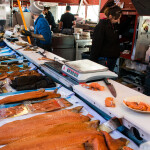
While turkey remains the centerpiece of the holiday meal, DuBois said he expects seafood to play a smaller but still important role an entertainment option in forms such as shrimp cocktail or seafood salad, or as a meal for small households. As a result, he expects strong promotions on salmon.
Sales of prepared foods have been strong all year, according to DuBois, and he said he expects more sales of these items at Thanksgiving.
“Convenience and meal ideas are the big keys to selling more seafood,” he said.
In recent years, U.S. shoppers have bought extra seafood for entertaining and gatherings over the holiday, since Thanksgiving has developed into an extended weekend celebration that includes Friendsgiving and office parties, 210 Analytics Principal Anne-Marie Roerink told SeafoodSource.
In 2022, 79 percent of the total four-week Thanksgiving sales uplift occurred in the week prior to and the week of Thanksgiving, according to Circana.
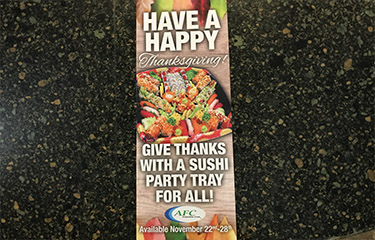
“I believe it is those newer occasions that provide a lot of opportunity for seafood, whether salmon as the main protein, stuffing with shrimp for a different twist, sushi, or shrimp platters or seafood salads for entertaining,” Roerink said. “Friendsgiving is especially popular among younger consumers and is very potluck and entertaining-focused. This is an opportunity for seafood to get into new routines from the ground floor up.”
Downers Grove, Illinois, U.S.A.-based Fresh Thyme Market, which operates 70 stores across the U.S. Midwest region, is projecting strong fresh seafood sales for Thanksgiving and into the holiday season, Fresh Thyme Meat and Seafood Sales, Merchandising, Marketing, and Procurement Lead Jason Resner told SeafoodSource.
Fresh Thyme will continue to focus its promotions on snow crab legs and clusters for the Thanksgiving holiday, following a 390 percent increase in crab sales and a spike of 774 percent in crab volume in September. It is selling snow crab legs on special for USD 5.99 (EUR 5.50) per pound from 15 November through 23 November and jumbo 16/20 count or 41/50 count raw “EZ-peel” shrimp for USD 4.99 (EUR 4.58) per pound.
Last year, Thanksgiving provided an “enormous” USD 2.8 billion (EUR 2.6 billion) lift in overall grocery sales in the U.S., the second largest food holiday of the year, surpassed only by the Christmas sales lift of USD 6.2 billion (EUR 5.7 billion), according to Circana.
U.S. restaurants are also hoping for a holiday boost, as 32 percent of consumers plan to order takeout or delivery for Thanksgiving dinner this year, and 17 percent plan to dine in person at a restaurant, per Popmenu. Additionally, 10 percent of Thanksgiving meal occasions last year included a food item sourced from a restaurant or foodservice, according to Circana.
However, even though overall grocery inflation has eased, consumers may be paying more for their Thanksgiving dinner due to labor and packaging costs, Wells Fargo Chief Economist Michael Swanson told The Food Institute. Food manufacturers have seen been forced to pass along increases for raw materials, energy, transportation, and packaging, according to Swanson.
Photo courtesy of Circana
